

Galley Brag #30
Courtney Summers on YA respectability politics, reclaiming your backlist, and that indescribable feeling of watching your characters come to life on the silver screen.
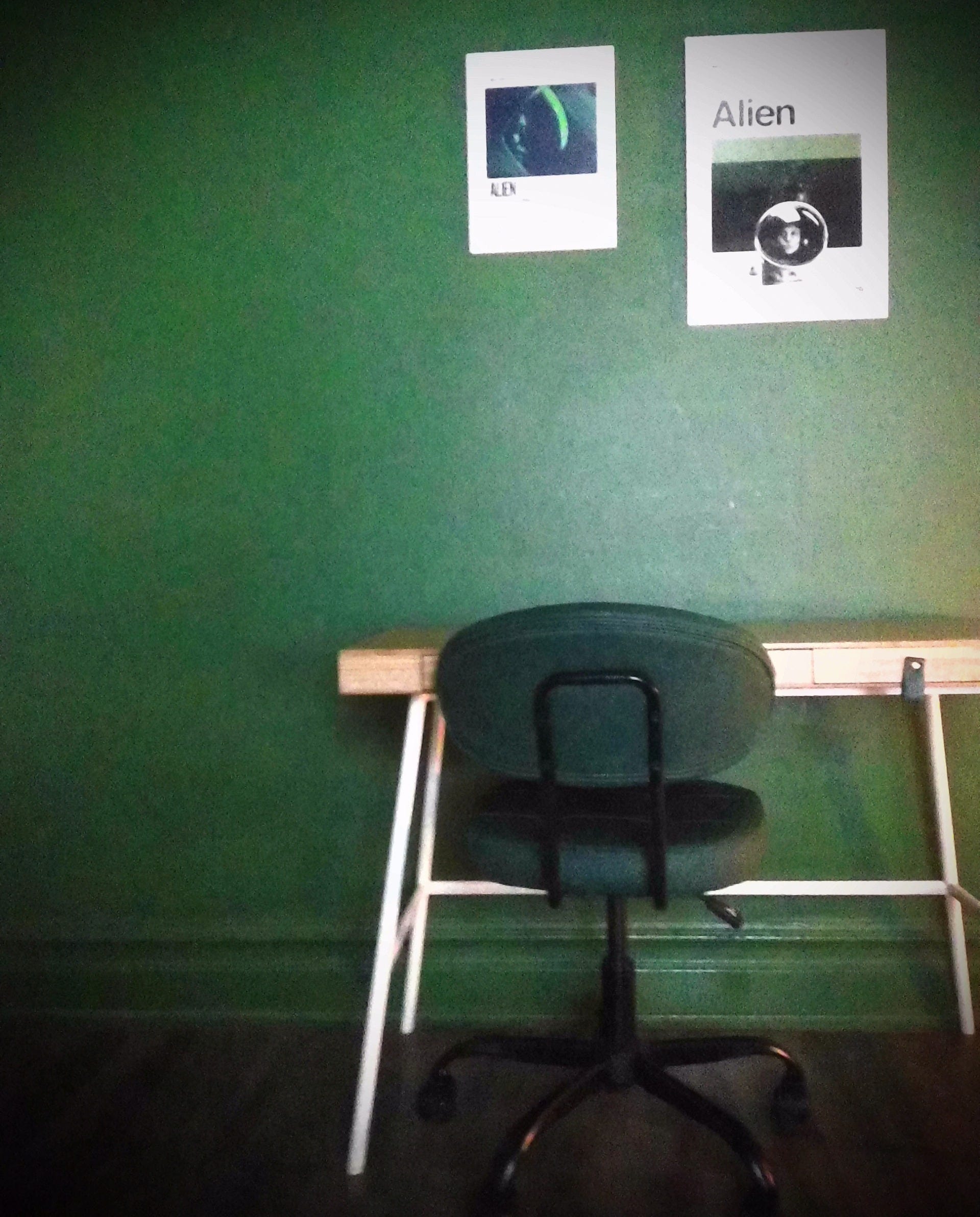
EK: I’m glad that we were able to make this happen. I love your glowing orb of a green room.
CS: Oh, thank you. I’m so Type A that this is somewhat calming. Are you…?
EK: I’m definitely Type A.
CS: Oh, this should be good…
EK: If I wasn’t, I don’t think I’d be able to be in publishing. I can barely keep my head on my body.
CS: That’s a beautiful way to describe working in this industry. Bindery has project managers, so there’s always a liaison between the author and editor, author and cover designer. I’m thinking, why doesn’t—
EK: …I’m the project manager.
CS: You should be able to just edit and launch books.
EK: <laughs> That’s a beautiful dream.
CS: Oh man, I don’t envy you. I’m so sorry. Thank you for your service.
EK: Thank you. <laughs> Well, we’ll talk about Bindery, but do you want to introduce yourself and your role in the publishing ecosystem?
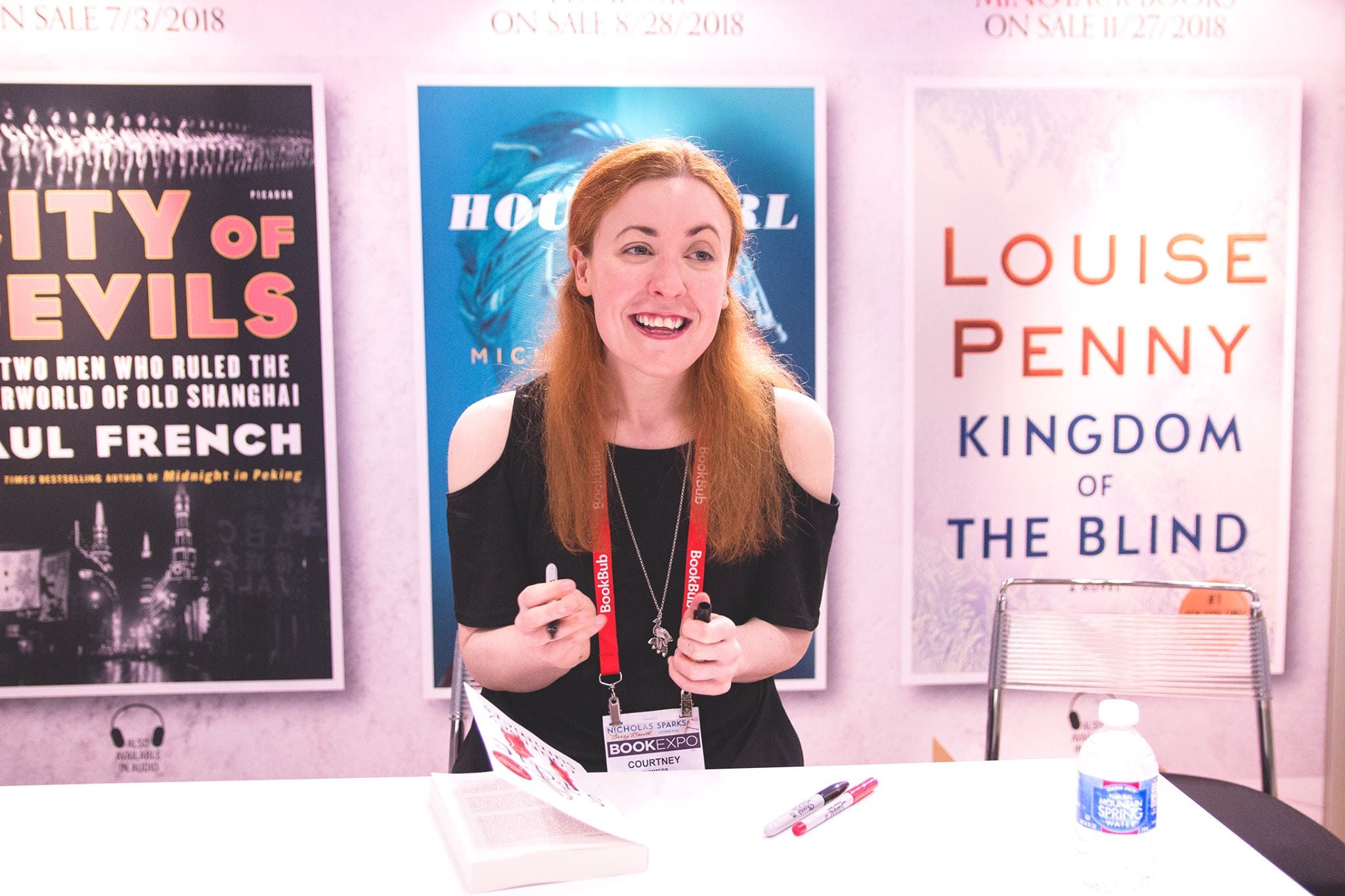
CS: My name is courtney summers, and—I did the math for this, so it could be very wrong—I’ve been an author in this industry for eighteen years, which is wild to me.
My work has primarily been young adult fiction, though adults have been known to enjoy it. My books are often dedicated to examining the brutal reality of the lives of teenage girls. Not to over-inflate myself, but I feel like I was doing Euphoria before Euphoria…but I don’t hate my female characters <laughs>.
I’m best known for my novel Sadie, which was one of the earliest books incorporating podcasts and podcast transcripts into the narrative. And it hit the New York Times bestseller list; it won an Edgar Award; it was a mid-career breakout.
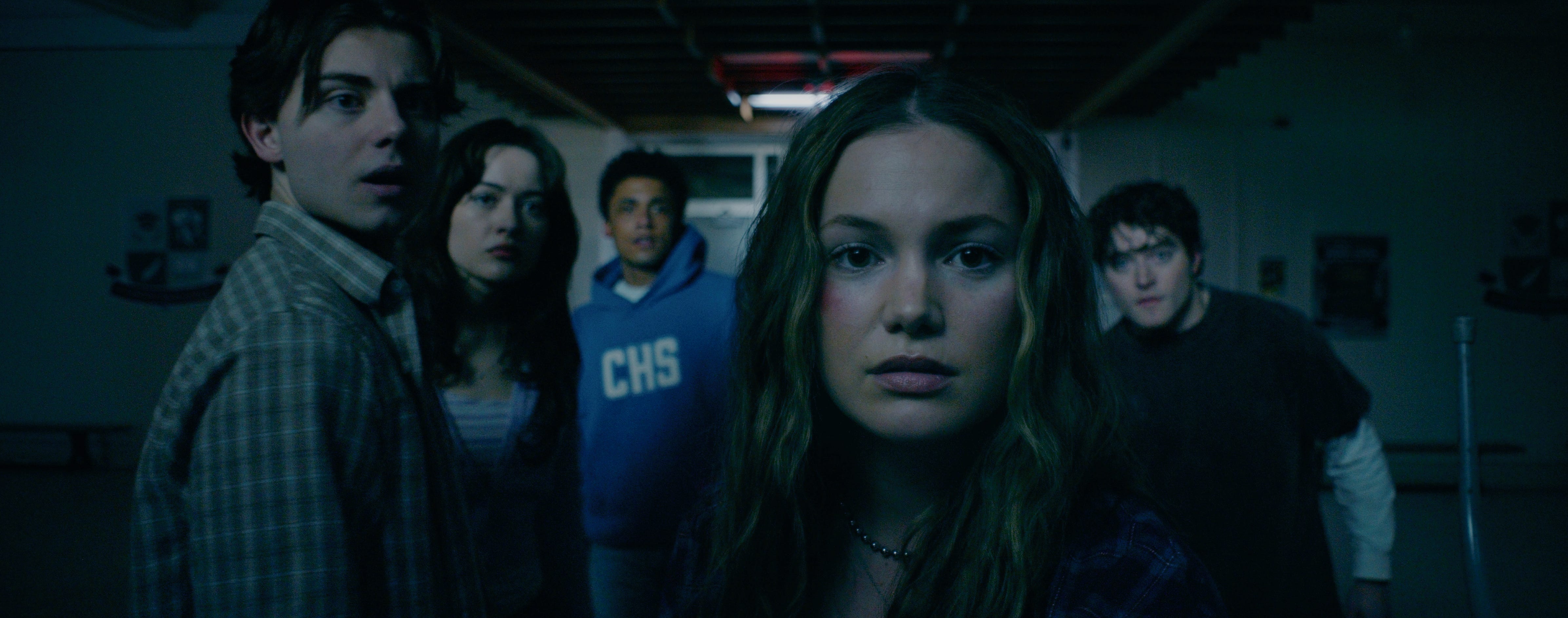
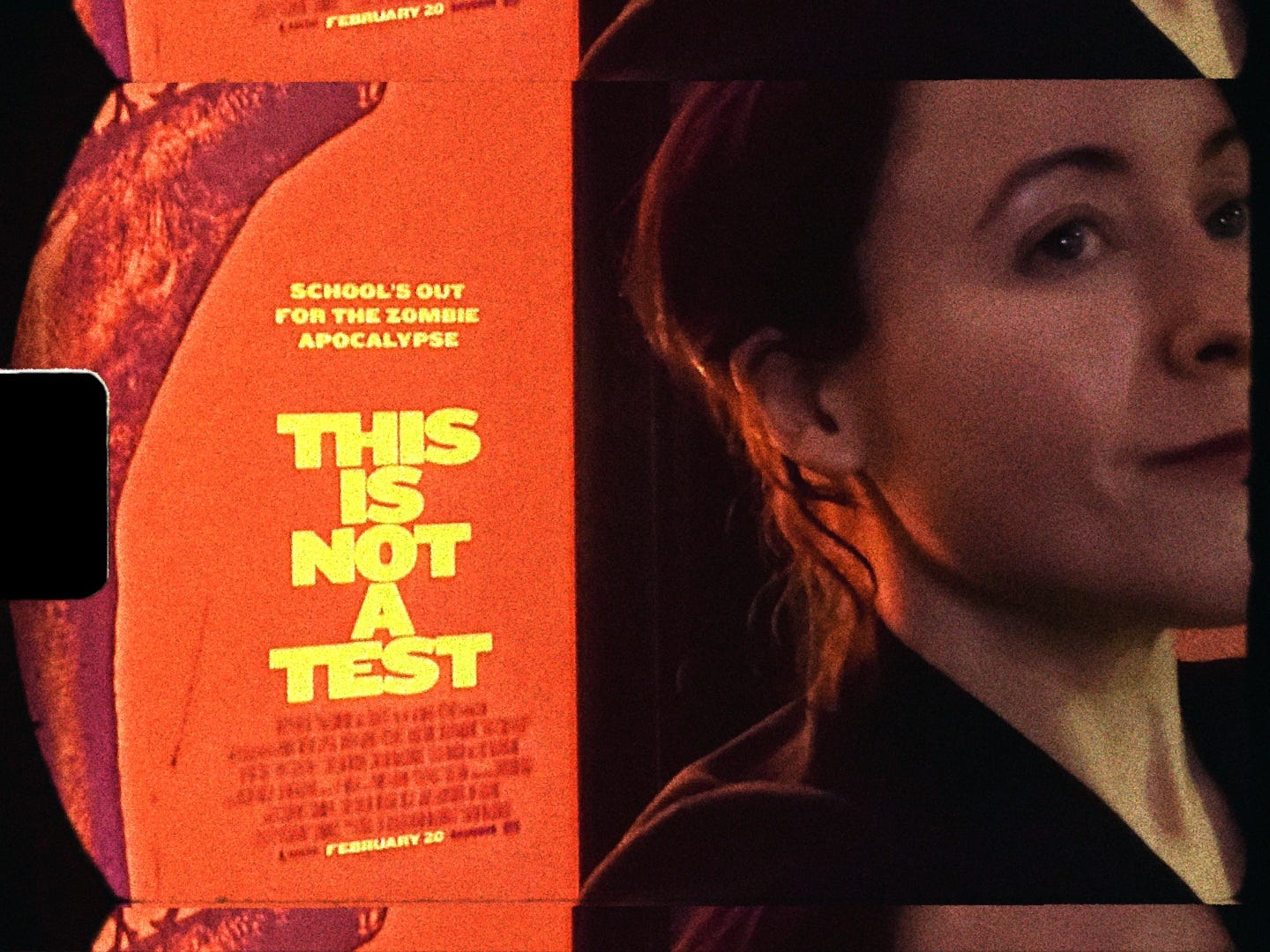
Most recently, I reclaimed the rights to the majority of my backlist, and I’ve reissued an expanded and revised edition of my fourth novel, This Is Not a Test with industry disruptor Bindery Books in time for the novel’s movie adaptation, which came out earlier this year and is now streaming.
EK: Exciting on all fronts.
CS: Yeah, I’m breathless. I should have taken a breath before I said all that.
EK: <laughs> In the past few years, there’s been this big shift with genre migrating from dedicated imprints to general interest lists and YA authors transitioning to writing Adult fiction, which I think is very much a product of YA authors growing up alongside their fanbases. But I’m curious what it’s like to write YA that is often read by adults? Was that phenomenon happening while you were writing and publishing your first few books, or do you feel like your readers aged up alongside you and just stayed along for the ride?
CS: My readership definitely aged up with me. They followed me, which was kind of extraordinary because—with YA—you’re constantly cycling through a readership. They’re aging out; they’re leaving; you have to bring in new readers. Mine tended to follow me, and I think that’s because I was writing what some people were calling “upper-edgy YA” at the time.
I am not interested in providing a comforting reading experience—it felt essential that I stay true to what I felt I had to be writing at the time—and I think that’s why it resonated with my readership.
To me, that’s how you write for an audience. You write for yourself. The moment you stop writing for yourself, you’re not writing for anybody else. So, coming up against other people’s limitations and perceptions of the category is always difficult. It’s always boring.
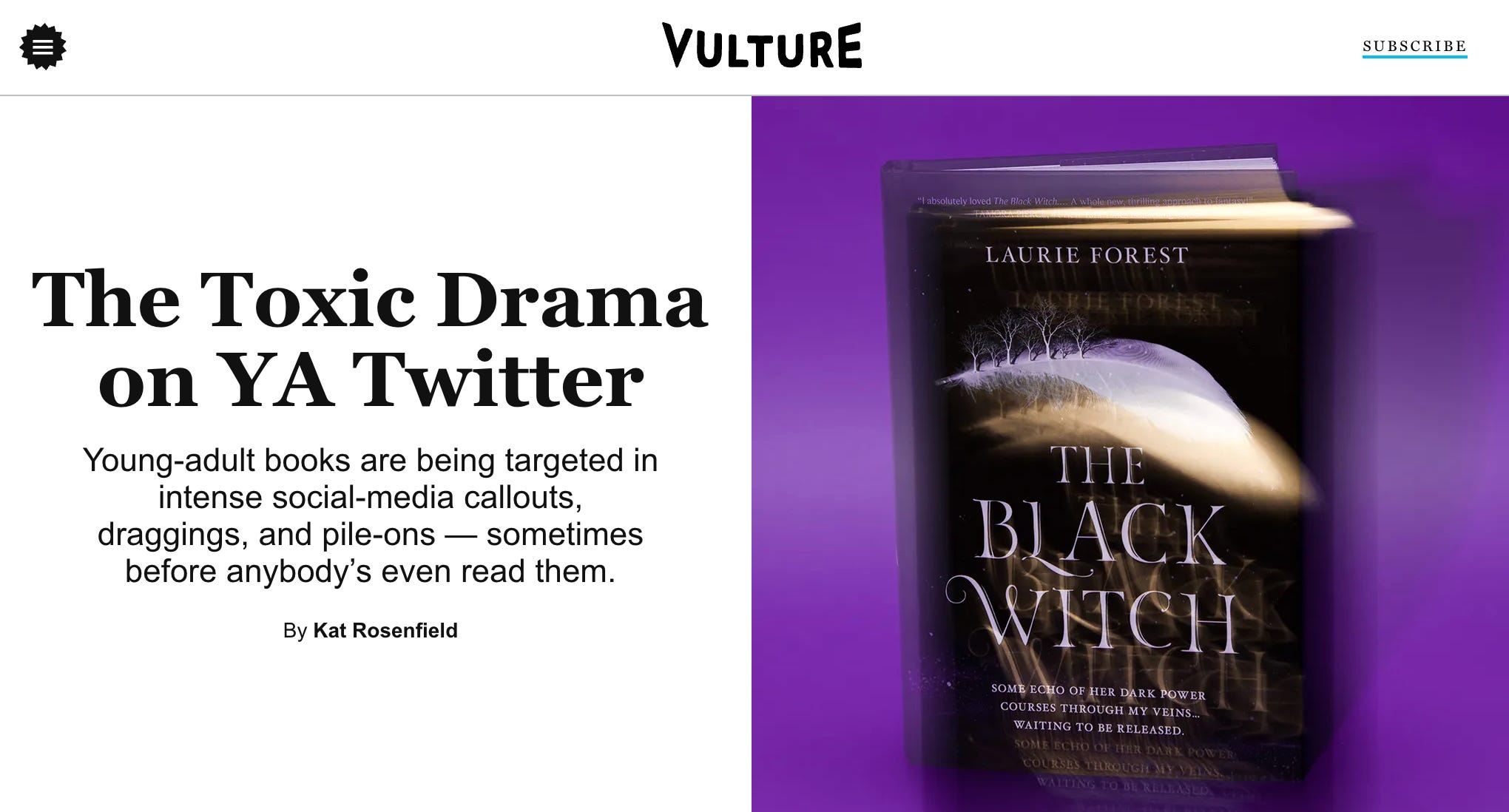
Like, please find something new to think and discourse about, and—if you’re going to do that—at least be entertaining; at least be funny. There’s so little to laugh about in 2026! Can’t you bring your A-game to your critiques about the young adult category? As long as you’re driving the narrative and not too concerned with what everyone expects from you, you’re gonna come through relatively unscathed. But does anyone come out of publishing relatively unscathed, editors and authors alike?
EK: I mean, not to my knowledge, but there’s always a first. So, you’ve published eight books over eighteen-ish years. I know you’re focused on writing for yourself, but the self changes over the years, as does your readership. How do you avoid that feedback loop from kicking in, especially as your tact and style evolves?
CS: I mean, if you’re not growing and maturing as a writer, you’re doing something wrong. Hopefully, you emerge from each novel a stronger writer, but then you’ve likely found a whole bunch of new weaknesses to tackle and overcome in your next book.
That said, when you’re doing something exclusively for a very long time, it can be easy to mistake a habit for instinct. You become good at understanding the shape of a book, the flow of the narrative, its position within the category. To me, my job is to not get comfortable, not get complacent; always look for ways to challenge and subvert expectations. The problem is that, once you get known for being good at something, it’s very hard—very hard—to convince them of the necessity of creative growth.
When someone’s like, I can’t believe this is the author that wrote Sadie, they never mean that as a compliment. But also, it makes me genuinely relieved to hear it, because it would be crazy if I just wrote the same book over and over again. I would shrivel; I would creatively die.
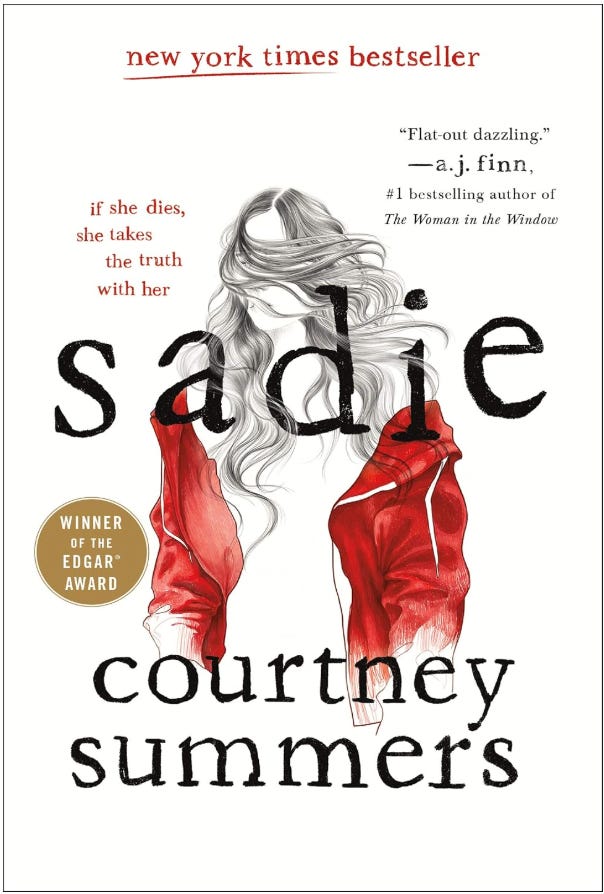
CS: But it’s hard. I brought in a lot of readers with Sadie, and I seem to disappoint every reader that got brought in with that book. I’m gonna keep shedding an audience every time I move forward; there’s no way around it. But also, I’m not gonna live forever. I can’t live my creative life for the imagined reader. I just hope readers know I’m not doing this to upset them. Ideally, I want to bring them along on this evolution.
And if I’m not for you, please find someone who is. You have a limited amount of time on this earth; read a book you like.
EK: I can’t imagine what it’s like to already have a few books under your belt and then have something break out in this really huge way. It makes sense that it would be just as exciting as it is limiting.
CS: Do you feel that tension as an editor where you’re torn between encouraging your author to write something commercially successful but maybe not creatively challenging? How do you toe that line?
EK: I mean, I don’t have the years of experience working with authors that you do. When you’re going in fresh on a debut, it is a lot easier to be like, okay, what is the shape this needs to take? What is the vision? How do we make this the most uncompromising version of this book that it needs to be?
Once someone already has an audience, it becomes so much harder. You start having conversations about everything that’s off the page. I think about this a lot with the paperback editions of hardcovers I’ve published. Like, sometimes I’ll read Goodreads reviews where readers really glommed onto certain aspects of the book that weren’t addressed in the copy of the book, or else they felt that the copy set them up to expect a certain book that it wasn’t. So, there’s an opportunity there to think about how we can tweak the positioning to capture the readers we’ve missed.
Or, for example, I’m publishing a book called The Housemate next spring, which we were originally categorizing as a “horromance.” But then—in doing research into the various microcategories—we realized that “horromance” often involves a romance between a human protagonist and whatever horrific entity, and it’s actually much more of a “cozy horror.”
There is a romantic throughline, but it’s not the emphasis of the book. And romance readers are typically less likely to stomach horror than horror readers to stomach some romance. So, it took a lot of iterations on the cover and copy to make sure we were capturing all of those elements without isolating any potential readers.
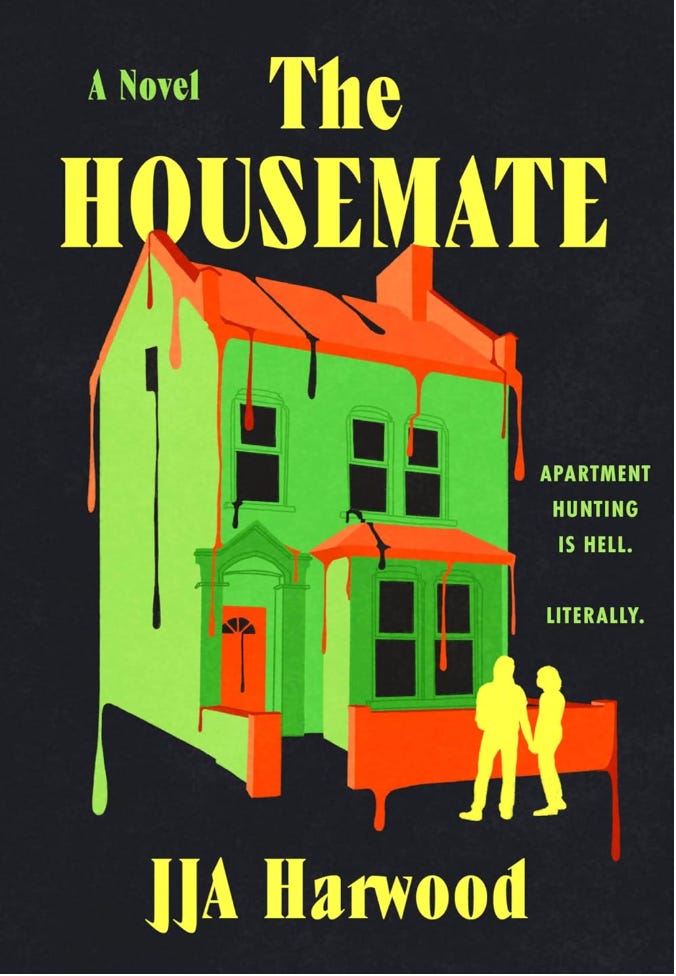
EK: If you don’t get the positioning right—unless you try to course correct in the paperback—there’s no going back. So, I think it’s a very interesting puzzle. And again, it’s obviously so much easier when you’re doing that with 250 words on a back cover versus the entire extent of a manuscript. But it definitely is such a weird, interesting challenge.
CS: It’s all about establishing the expectation, and as soon as you miss that…
EK: And with fans, you can’t erase the expectation that’s been set with the previous book; you can’t erase that book from someone’s memory if they’re going into an author’s second book. It’s so hard.
CS: It is! When Sadie came out and it was getting this groundswell of attention, the marketing copy was like, it’s a thriller. I was like, I’m writing thrillers now? I had no idea.
The new audience wanted thrillers. The old audience knew I was writing complicated stories about girls that had a sense of urgency but were not necessarily thrillers. Every book after that was like, okay, here we go again.
EK: I could talk about positioning forever because I think it’s so interesting, but I’m particularly interested in This is Not a Test and the positioning conversation that happened when repackaging the book?
CS: I mean, I got the rights back to my backlist, but I had no intention of doing anything immediately with them. This is Not a Test was optioned five or six years ago, and then suddenly it was going to happen.
The very short version was, we’ve got to get this thing back on shelves. And then the bullshit with the election was happening. These books were meant to support young women going through these attacks on their rights and bodily autonomy, and suddenly they had none, so there was a lot going on. My agent and I were like, we’ll do a backlist repackage, send it out to some editors and publishers that we admire, and see where that leads.
Bindery was in my periphery—they were doing some interesting things with their tastemaker model—so I was like, let’s send it there. And it captured the interest of Kathryn Budig, and I connected with her, and we crashed that book out in less than a year.
EK: Crazy.
CS: It is. And the movie’s happening at the same time; the book came out the day before the trailer dropped. They never wanted to tell us exactly when the movie was coming out, so we went from a June release to a March release and then to January.
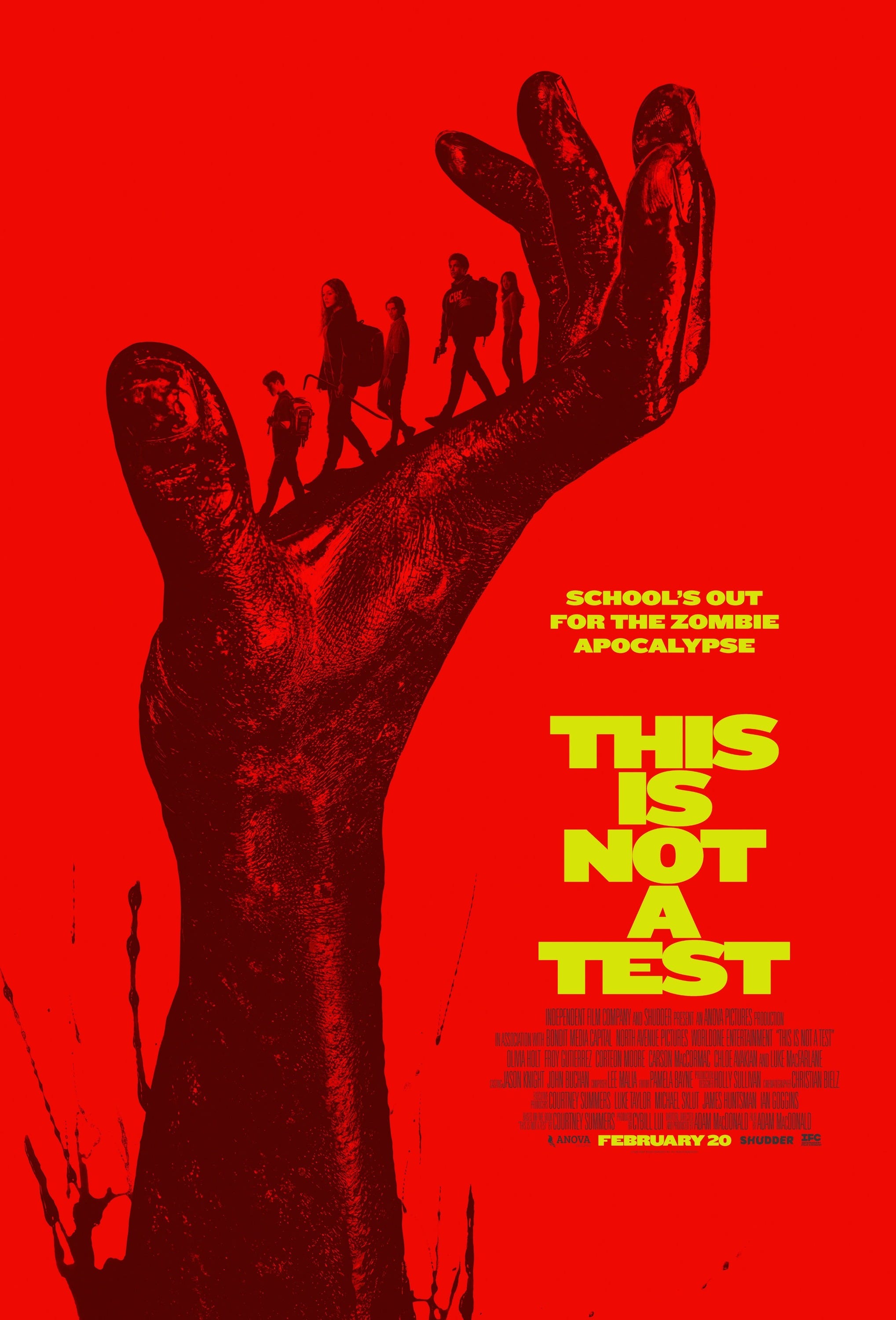
CS: I knew that, if I was gonna do re-release This is Not a Test, I wanted it to be a reclamation, and I wanted the book to reflect that. If I was going to put the book back into the world, I wanted it to be Courtney’s version. I’m not a Swiftie, for the record. <laughs>
The book is largely a product of its time, so it was important for me to preserve what made people love it. But it was also an opportunity to finesse some rough edges and go deeper where the story allowed. It’s not about rewriting or proving I’m a better writer now—my primary goal was to enrich the reading experience, offer something new for old readers, and give new readers a more cohesive, polished book. And I think that we succeeded in doing so.
The first cover was cool, but it didn’t look like a book about a zombie apocalypse, right? The old cover is just a girl’s face and her hair, and it’s very 2012.
EK: It’s very 2012.
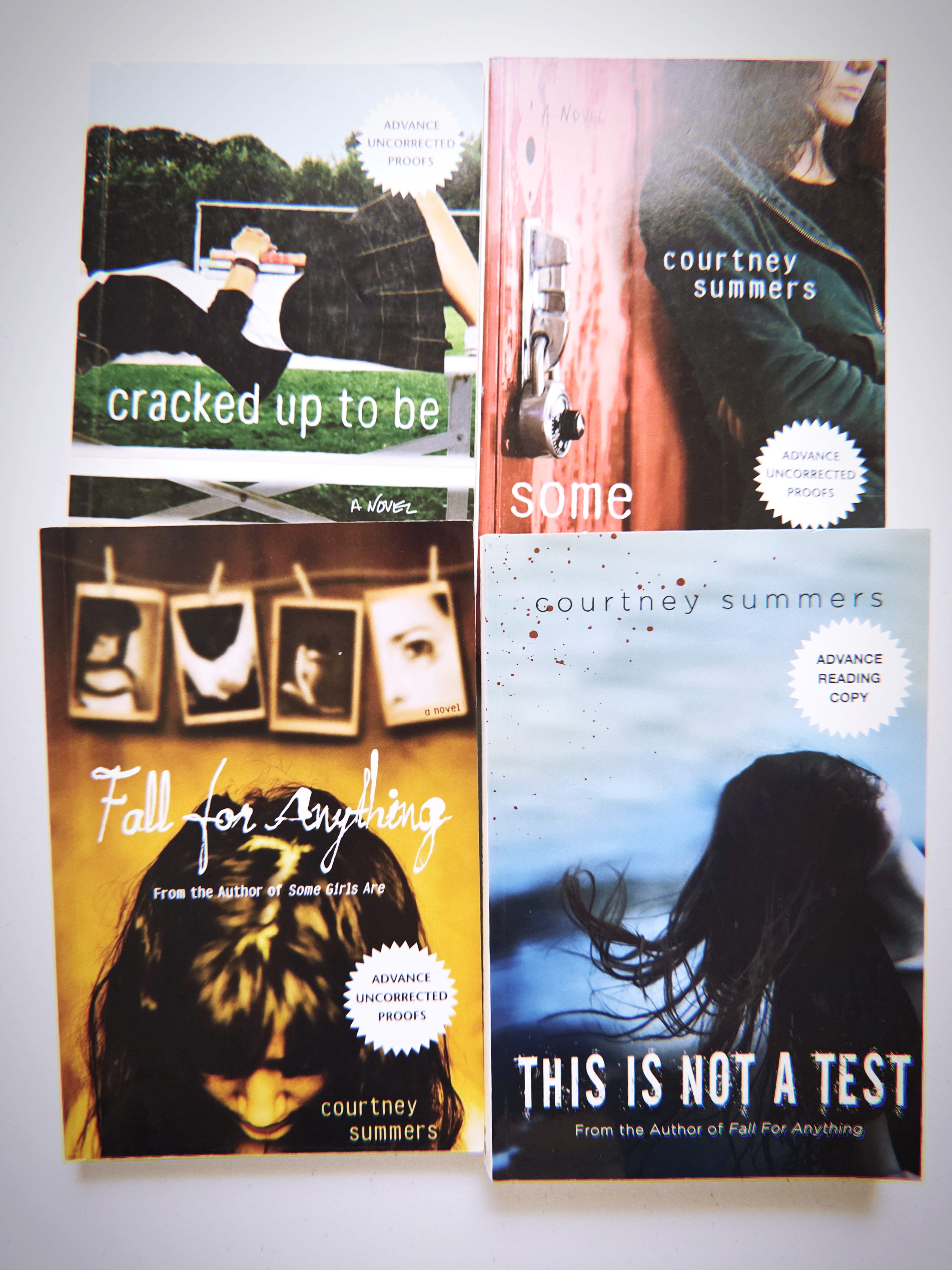
CS: So, the idea of being able to position This is Not a Test as a zombie apocalypse book was very exciting to me. This is where we can fold in some of the horror elements, and they treated it like a frontlist title. It was just a wildly cool experience to be able to republish a book like it was brand new, and it never would have never happened without the movie, either.
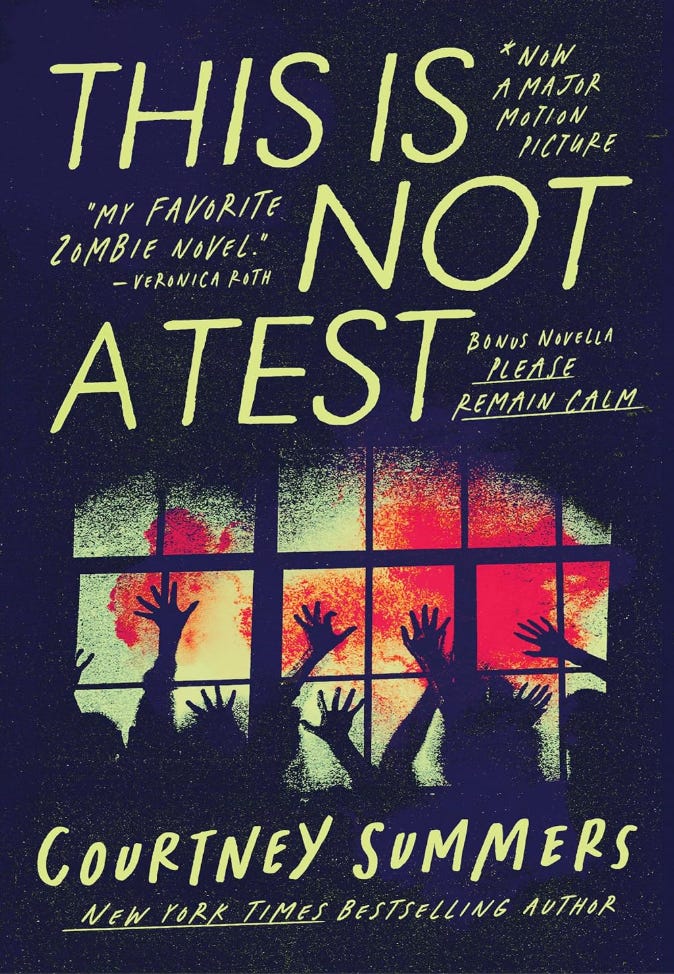
CS: Just a lot of cool things happening at once, and we seized the opportunity. It kinda blows my mind that we were able to crash that out…
EK: Truly my stomach hurts just thinking about that production schedule…
CS: Yeah, the pivots that Bindery made—getting the printers on board, etc.—it was amazing. I was stressed, and I didn’t even have to deal with that stuff directly. I cannot even imagine the gray hairs I caused everyone, but bless them. They’re superheroes.
EK: I mean, we love production. What was it like being in conversation with yourself 10+ years ago? I know you’re friendly with Veronica Roth, and she’s talked a bunch about how she got a lot of haters when Divergent blew up and what her experience was revisiting them later. It just seems like a really crazy experience. Did anything about the process surprise you—pleasantly or not?

CS: I mean, I cannot imagine the level of scrutiny Veronica has had to endure throughout her career. That's an incredible magnifying glass to be under. This Is Not a Test was a pretty low-key release at the time.
It’s one of my more beloved books, but it didn’t have a lot of detractors. When I opened the book back up—I mean, I know that I’ve grown as a writer in exponential ways, but I was like, why am I literally walking every character into every scene? Or overemphasizing every emotional beat? Minor, technical things like that that may not impede on a reader who is really enjoying the story.
But I look at those things now and am like, oh, I have new techniques now! So, I just really wanted to finesse and iron out the edges. There was a certain urgency in the way I wrote back then, and I wanted to preserve what made it special—it’s a fine line to walk.
EK: Okay, I’m going to back it up to Reclaiming Your Backlist. I’m so curious about what compelled you to do that? Not in a judgmental way—I just know it’s just such a huge undertaking…
CS: I’ll have to tell you some stuff off the record later.
EK: Please do, please!! I’m begging!!
CS: The official answer is that the contracts for those specific titles were very clear about the parameters in which I could request a rights reversion, and as soon as I saw the opportunity, I took it. And that choice was largely predicated on certain other things that were happening at the time…it was a complicated decision; it had a lot of weight to it. You don’t wipe your (nearly!) entire publishing history off the board lightly, and that’s essentially what I’ve done.
Like I said, it’s an act of reclamation. I did want those books to be in the world, just on my own terms. And that gives me a level of peace even if the rest of my books never come back into the world.
EK: So, you published your first book when you were twenty-two. Obviously, anyone in their twenties is bound to go through a huge journey of self-discovery; I cannot imagine having to sort through that as any sort of public figure. I was reading your Substack post about how certain queer themes kept coming up again and again in your books, and how they evolved into something a bit more explicit, which led you to coming out in a more public way…

It’s funny because one of my authors, Chloé Caldwell, wasn’t really identifying as a lesbian when Women first came out, but the book kinda told on itself. I feel like I hear of lots of things like that happening with queer writers throughout their backlist…
There have always been questions about who has the right to tell what story, and whether someone should be scrutinized more intensely if they don’t share the same identity as their characters. At the beginning of my career in publishing, I feel like there was this big directive to promote “own voices” and “diverse reads.” We were told that these labels would hopefully help us better market and promote our books, but on top of being quite problematic and tokenizing for many reasons, it was also just really awkward and sometimes unnecessarily invasive. Like, hmmm does this author seem bisexual to you? That said, I would take that awkward fumbling over “The Great Divestment” or whatever’s currently happening now…
CS: Totally. Well, just for background, my book Sadie is not a book about queerness; Sadie is queer, but it’s just who she is, and readers responded very positively to that. I didn’t get any backlash about representation. And two books later, I wrote a book called I’m The Girl, which is based on the Epstein case. The main character is a lesbian, and it’s a significant part of the narrative. And, as I wrote that book, I realized I was a lesbian, too.

CS: And while I love being a lesbian, I did not love how publishing ultimately crashed my summer of self-discovery, you know? My publisher had questions about how to market a gay book by me. So I said, uh, let’s use Sadie as an entry point, remind people I’ve done this before, and include it in Pride rollouts? And I was told that marketing had an issue with that because—as far as they knew—I wasn’t queer; and the book wasn’t a coming-out story or a queer love story. And that’s when I just kinda blurted out, well, I’m gay!
That’s how they found out. It was kinda humiliating at the time. When I think back on it, I’m like, shit, wow. I was then told that how they positioned and marketed the book would be impacted by whether I disclosed my queerness publicly. So, we are talking potentially less marketing; less specified opportunities to reach readers if I don’t come out. And this book was already going to be a hard sell. This was presented to me as my choice to make, and that my team would support my decision either way. But the thing to consider is that I’m a full-time author. This is my livelihood. I wasn’t operating from a place where I felt like I actually had a choice. All I was hearing was, if you don’t come out, you’re gonna get less marketing; there’s less we can do to support your book. The power dynamics were unspoken; I didn’t believe that I couldn’t afford to not come out at that time.
There was so much that was left out of that 2022 Substack post you were referring to. I feel very conflicted about revealing any of this. I don’t want to implicate anyone, and I also feel complicit. I don’t want to be that difficult author, and I also don’t think everyone I worked with was fully equipped to have these conversations at the time.
And I’m grateful to marketing and publicity. They compensated and supported me how they could. They were lovely, but certain other deficits could not be overcome. If I’m feeling generous, I can say those deficits were a consequence of an online climate where everyone’s reacting to everyone else and trying to get ahead of a worst-case scenario. I wasn’t the first YA author this happened to.
So, that became part of the rollout. And my approach was to acknowledge that tension and the pressure that both publishers and authors face when they’re navigating things like this. Because that’s what I knew. That was the only experience I had in my very limited time as an “out author.” I came out as an author and immediately ran face first into all of this. And that got me in trouble. Someone was very displeased with how I was speaking publicly about it, and it came to a head in a rough draft of that Substack post. I originally sent it to my team as a possible essay to pitch to outlets, and I had vetted it with people in the industry, people outside the industry, queer people, straight people, etc.. And they were all like, this is really empathetic to your publishing team; this is helping me understand the larger conflict here.
But, instead, I got a phone call from my publisher, who had completely misinterpreted my intent behind the piece. I truly cannot describe what it was like to release the book after that conversation, but it was very clear that, by the time my book did come out, it would be my last with that imprint.
So, that experience completely changed the trajectory of my career as a YA author and as a gay author. And what’s interesting is that—when the book was released and I was cleared of those obligations—I decided to publish the essay. And, when I did, I got so many emails from editors and industry people who found it really resonant and empathized with everybody involved. They were like, there are no bad guys here; this is hard for all of us. We all need to grant each other a little grace.
You know, publishing is an imperfect system; it’s a bottomline business. We’re all expected to uphold that objective to sell books and make money as best as we can, but we also have to nurture and sustain the creative passion that fuels us.
EK: —and remind ourselves that everyone is a person outside of our job.
CS: Yeah! And when you’re committing to the arts, you feel like it’s a calling. You have to feel a deep sense of purpose to find yourself on either side of this desk, because it’s hard. I mean, it’s not brain surgery, but it’s hard. I think the tension will always be there and it might never be perfectly resolved, but I do think that much of it could be ameliorated by hiring more diversely, making sure marginalized identities are well represented within the publishing ecosystem, and encouraging allies to educate themselves and not feel as though they’re being attacked if they don’t get it right the first time.
It’s not going to lose you book sales—it actually will likely give you more. In YA specifically, you spend so much time justifying the moral necessity of your work so that people can feel good about reading it and adults can comfortably recommend it to kids. And that shapes the expectations we have of those authors and their books. In my case, I felt like I was failing to perform acceptability politics; I was failing this idea of queerness, and my book suffered because of this.
In the book, the main character is a victim of the patriarchy. She’s being groomed. Her lesbianism is weaponized against her, and she still cares about the opinions of men. She wants their influence and power. And I was told that this was bad representation. This character can’t be a lesbian because she cares about what men think; she doesn’t say the word “lesbian,” so the character or author must hate lesbians; an author who wrote this can’t actually be a lesbian.
I felt like I was writing something complicated about girls who like girls, and I was not welcome within the category because it didn’t conform to certain expectations. This was years ago, and maybe things have changed. I just think—the more you narratively flatten the queer experience—the more you negatively complicate real, material queer lives.
EK: I mean, I go through this all the time with my authors; all identity politics are so sticky. And it’s like, obviously you want—
CS: —you want to be read.
EK: Exactly. Every author wants to give their book the best possible chance. But I’m really, really sorry about your experience. It sucks all around.
CS: It was really upsetting to have it end like that after all those years working together, especially when I felt I had given away so much of myself in service of the book's success.
EK: I would have become evil. Oh, I would have become so evil…
CS: So, a couple years later when I told them I wanted my backlist back, they gave it to me without any pushback. And I feel like I sound so difficult; I’m not a difficult author—
EK: You do not sound difficult at all. We need to talk more about the fact that publishing is a commercial business; it’s important to preserve publishing as an art form, but it is also how people pay their medical bills. If you’re a full-time author, this is your livelihood.
CS: Exactly. And I just had this spiral of like, what am I going to do now? Who am I? It feels crazy to call it a creative death, but I cannot think of any other analogy.
EK: God, that is so horrible. What was your experience of entering a new publishing relationship after that huge breach of trust? At a certain point were you like, I’ll just self-publish?
CS: I mean, not to be cliché, but it really was a long, dark night of the soul. I really thought I’d never write again. I was just so crushed; I was so paralyzed.
At one point, I asked for a galley through my agent, and the editor was like, oh, I thought you were going to tell me Courtney Summers was moving to Adult; I really want what she’s doing. And I was like, someone wants what I’m doing? That was really heartening. I don’t want to say I need that external validation, but I really needed it at that point.
EK: Getting external validation after being very externally invalidated is actually good. You can’t just build it all back up by yourself, you know? Sometimes you need some bolstering.
CS: I needed some bolstering. And when I talked to Kathryn at Bindery, she was so into it that I was like, I guess you have to be willing to put yourself out there even if you might get hurt again. I felt like I had enough information to at least equip myself. I knew what I wasn’t willing to settle for and how I’d be able to better advocate for myself.
It can be very hard to feel like you’re rocking the boat because in publishing there’s a certain level of weaponized gratitude. It’s a privilege to be published; it’s a privilege to publish authors. If you’re constantly being reminded of that scarcity mindset and how many people are waiting to replace you, you don’t want to jeopardize your chance.
EK: I get it.
CS: Like, I can’t imagine being on your side of the desk; the overwhelming amount of submissions that you get, and then you have to decide which book to attach your time and expertise to. Because what you’re bringing to the table is not insignificant.
I actually love editors. That is a part of the process that I enjoy; I enjoy the calculus of editing. And it’s your time, and time is not an infinite resource. There should never be an opposing tension. Your editor should challenge and push you, but…
EK: You should be a team against the problem; you are not the problem. Back to learning how to trust again…I’m sure because Bindery is newer and less traditional, there’s less of that corporate culture of silence? And, after a dark night of the soul, did a revised reissue where you were in conversation with your past self feel like a more comfortable way of wading back into the publishing waters?
CS: Yeah, I think it was a good way to reenter the publishing sphere. I’d been independently working on a new manuscript for ages, so I wasn’t completely void of any creative output, but it was great to have something to focus on that was gonna be made real in the world. It felt very symbolic and healing. I know this is going to sound really cheesy, but it felt like I was giving something back to myself.
EK: Not cheesy at all. I’m sure it was incredibly gratifying to work on something that wasn’t tarnished by these other experiences. And there is definitely a world in which your publisher responded to your essay with enthusiasm and pitched it out and it ended up bringing more people to the work and selling more copies. But sometimes publishers are like, I would actually rather burn up a pile of money than admit I’m wrong.
CS: I mean, to some extent I get that because I’m a Taurus and I’m very stubborn. So, I don’t like any timeline in which I’m not right. But communication goes far. There are so many conflicts in publishing that could be avoided if everyone was just direct with each other. It’s so self-protective, and it’s also not to the benefit of anyone involved. It just complicates everyone’s lives. And then you’ve got authors—I mean, I know what I’m like on a good day. I’m not an editor for a very specific reason. <laughs> But I don’t know why you would want to complicate an already complicated relationship that is so emotionally and creatively gratifying. When you and an editor are meeting each other in a creative space and bringing out the best of each other’s abilities…there’s really nothing like that.
EK: Well, I want to obviously ask about galley bags and all that stuff, but first I do want to talk about how awesome it is that your book was made into a movie. When did it happen, and how involved were you able to be in that process?
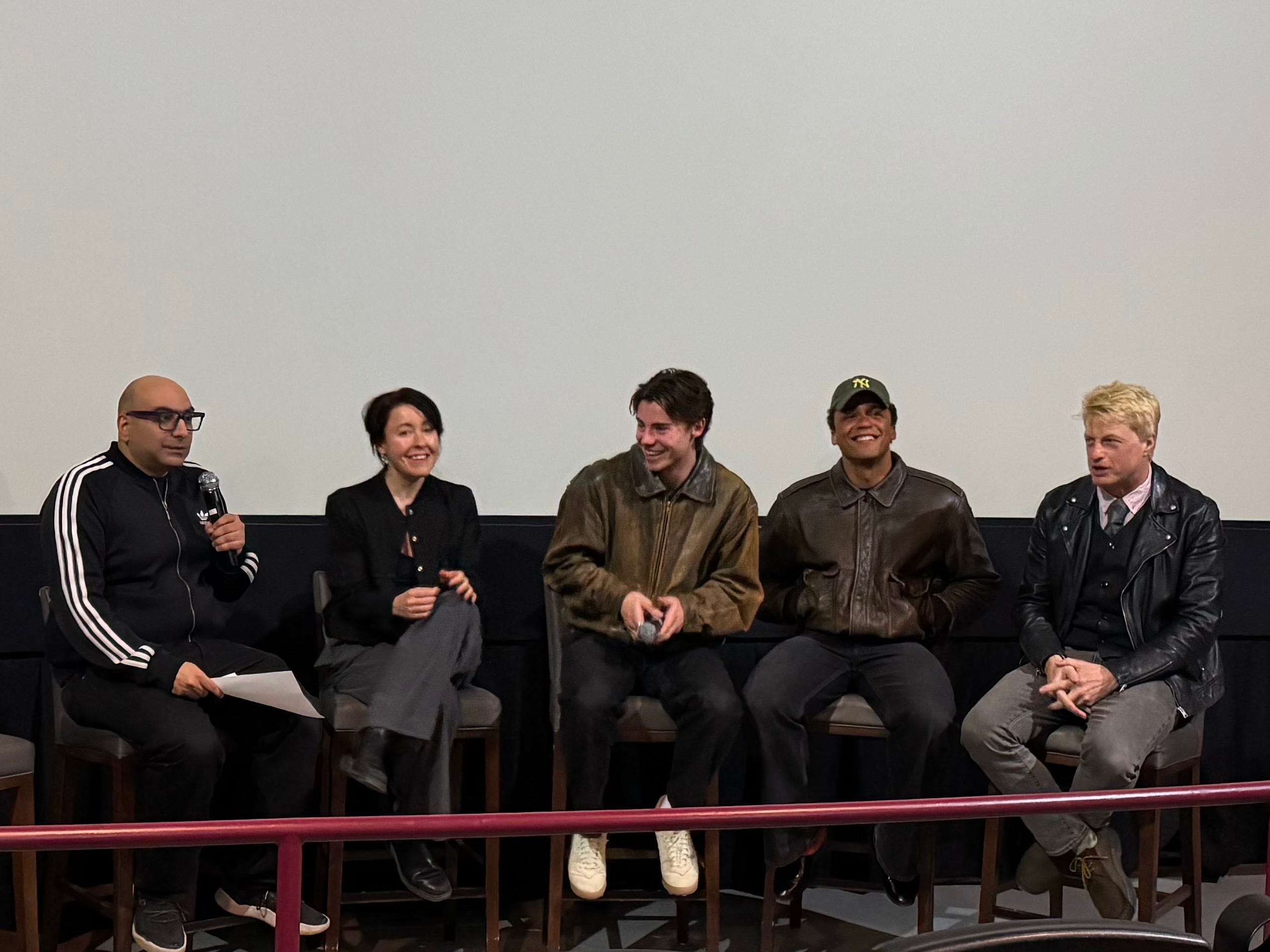
CS: Adam MacDonald, who wrote, adapted, and directed the movie, really resonated with the book. It is so hard to make a movie—it took five or six years to get off the ground—but he really sparked to it. That was really gratifying. I didn’t have much of a role in the adaptation, but I was very well respected throughout the process. Adam would send me drafts of the screenplay; he would send me various cuts of the movie, which is not typical. Usually, people will get the book rights from an author and be like, well, we’ll see you when we see you!
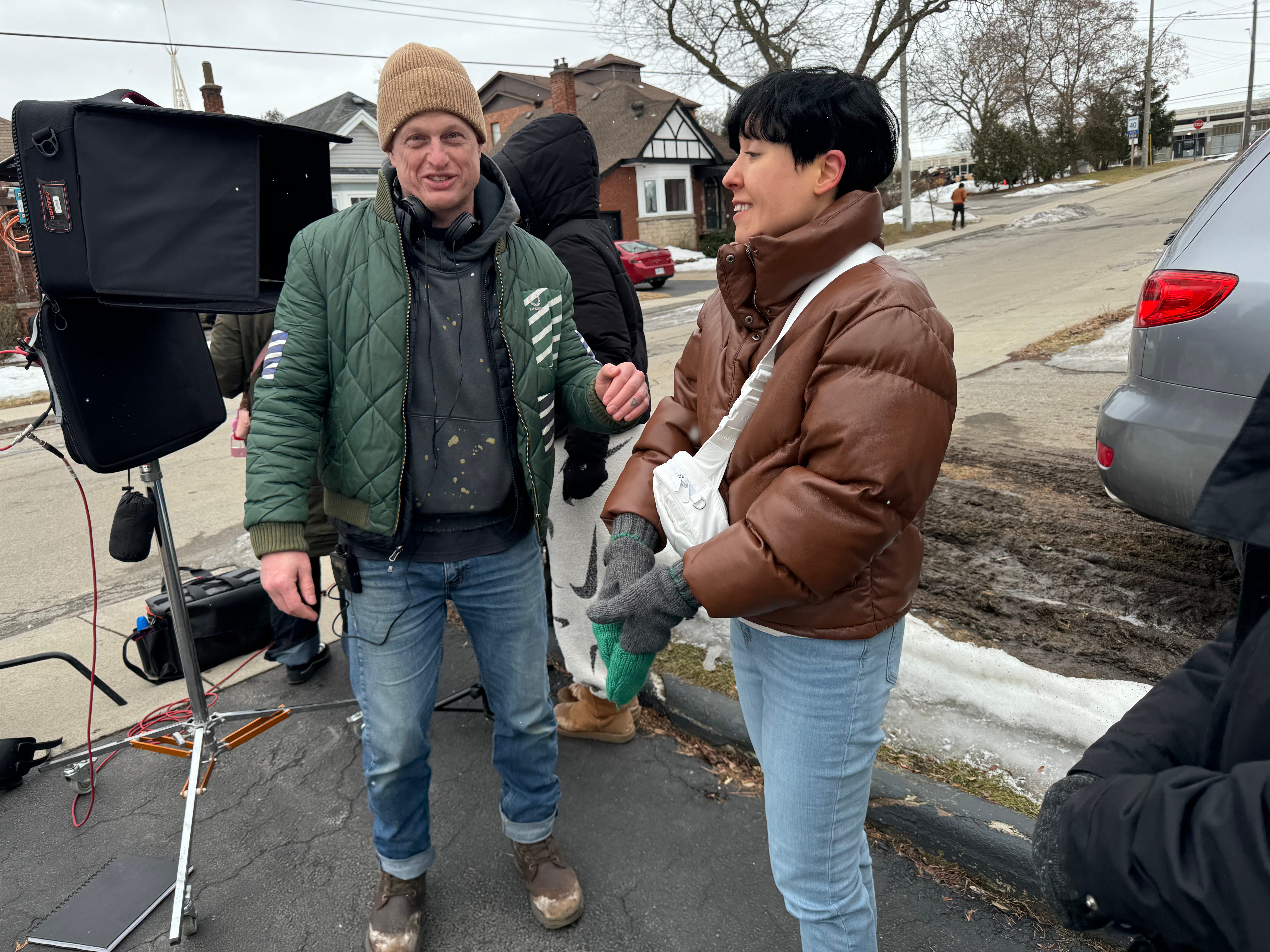
CS: But Adam brought me into every part of the process, and I got to see multiple cuts; I got to see different scripts. I hope one day they release an extended version just because I want to live inside it. I got to go to the set, and a lot of the actors had read the book, which I was not expecting.
With the movie itself, Adam pulled in a lot of different threads, but everything that’s in the movie was in the book in some form or other. He got the essence; it’s like two sides of the same heart. I love that the movie and the book can each be their own thing and support each other. I cannot say enough good things about Adam. He’s just so warm and generous and funny and kind.
They shot the movie in only nineteen days; it was a very limited budget, a very limited schedule, and it just reminded me of why I love independent film. It’s so cool to be a small part of that tradition. Seeing how they built out the set based on the book–like, there’s a yellow couch in the opening scene and it was yellow in the book, too. And I’m like, you literally could have picked any color.
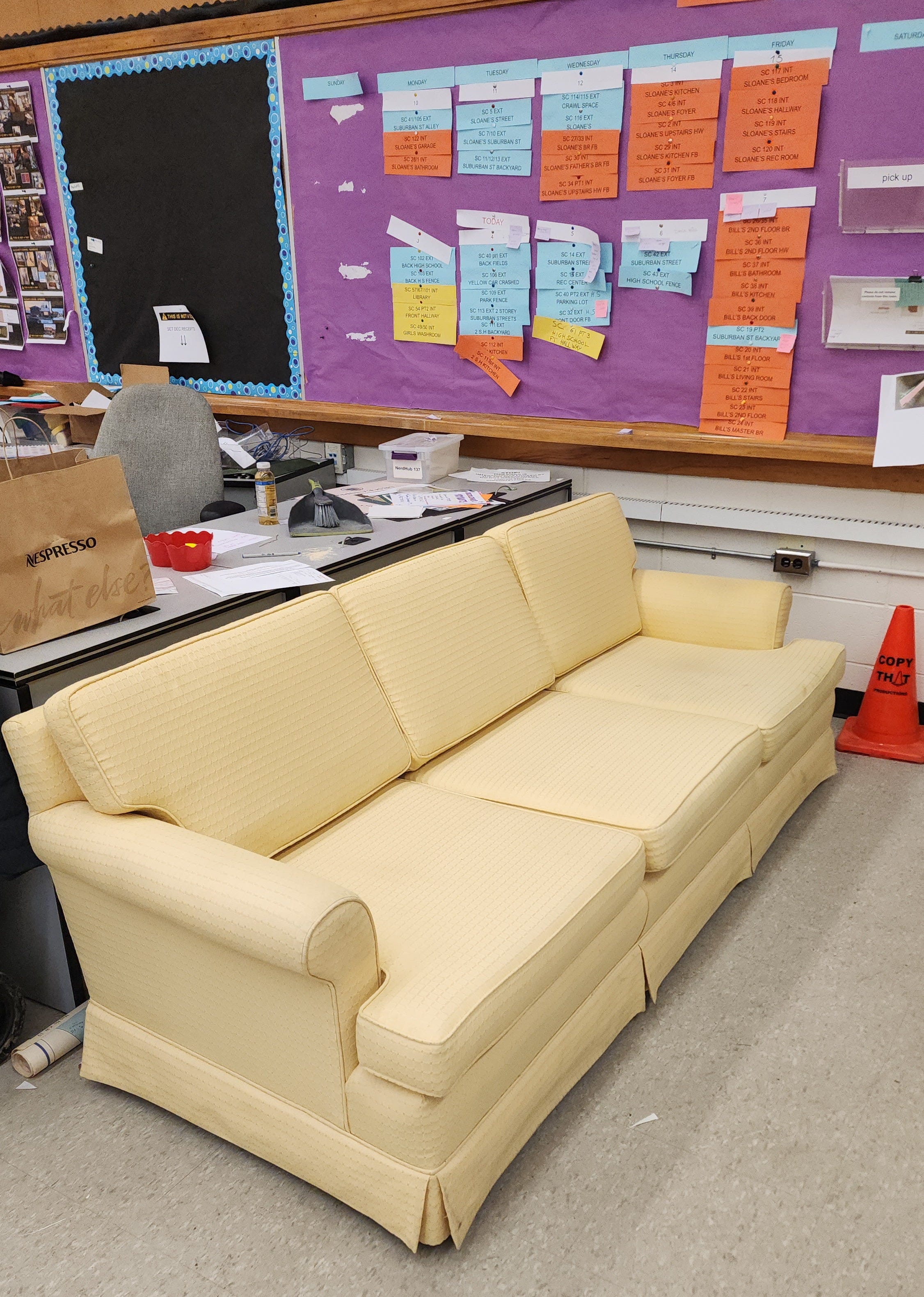
EK: That’s really cute.
CS: He was just so committed to the details. A lot of the Easter eggs that I put in the book about zombie lore are in the movie. I just felt really well cared for. They were doing their thing—it was theirs—but they were like, we’re happy you’re here, and we care what you think about it. Adam said he was so nervous the first time I saw it; that was the opinion that mattered. It was just a heartwarming experience.
CS: Sadie is in development, so hopefully something will happen there. Also an independent film, and the producers are working hard to get it off the ground. I’ve just been really lucky.
EK: I’ve heard some horror stories—I mean, you have horror stories of your own, so maybe it’s all coming back around…
CS: Yeah, maybe it’s equalizing. I feel very lucky, and I enjoyed the ride. You gotta enjoy the ride.
EK: I’m excited to watch it because I am a big big horror person, and I love a zombie movie.
CS: I hope you love this one; it has to pass the Ezra test.
EK: Okay, last question, and then I really will let you go. Do you have any galleys that you want to brag about, or any books you’re really excited about and desperately want to read?
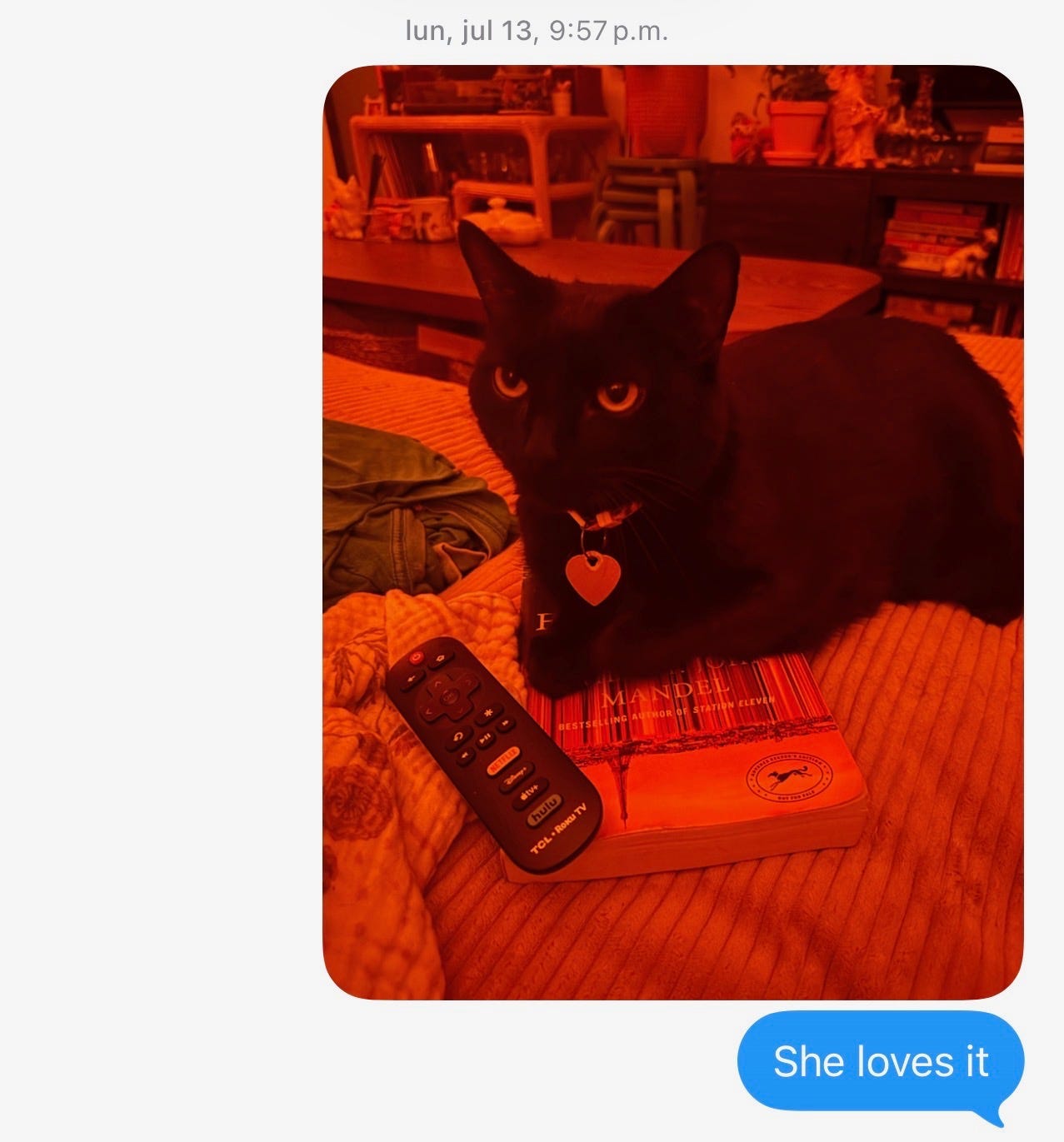
CS: Okay, I have two things. First, I think someone should send me the new Emily St. John Mandel. Just putting it out into the universe.
EK: I also think that someone should send me one.
CS: Give us the book.
EK: We deserve it.
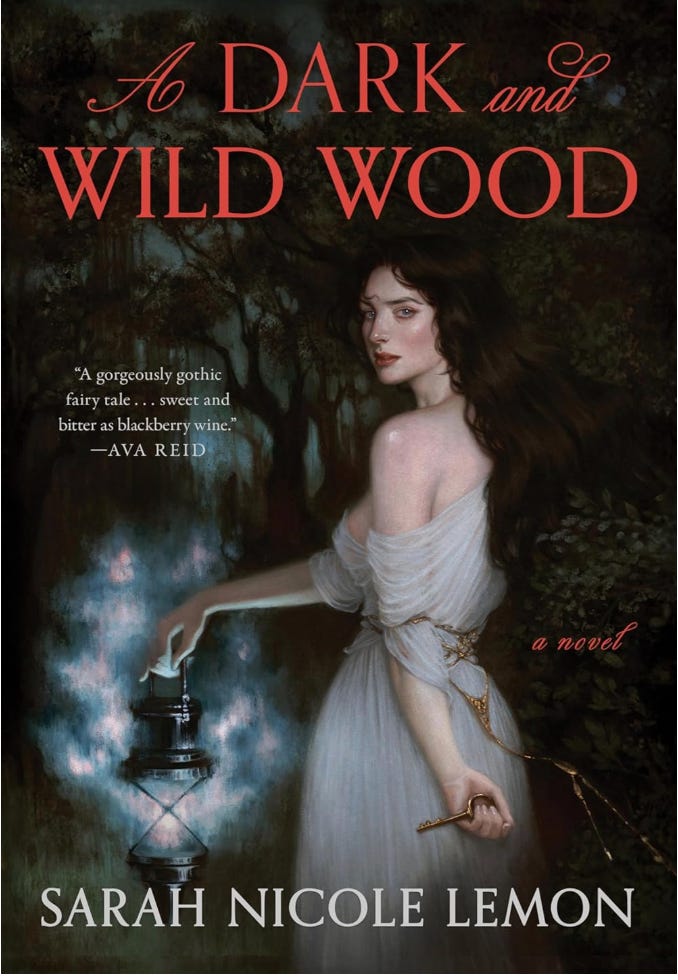
CS: What else? I got A Dark and Wild Wood by Sarah Nicole Lemon, which is coming out from Harper Voyager. She’s incredible; it’s her Adult debut. She’s a YA author, and I don’t typically read dark fantasy, but I’m really into this.
EK: Amazing! Well, this has been so great.
CS: I really appreciate that. I just want to say again that you’re so cool. I had read your interview with CJ Alberts (Sunny's Book Truck) and I was like, oh, these are two cool-ass people. And when she told me I should slide into your DMs, I was like, I can’t do that, he’s too cool.
EK: Stop, lol.
CS: I remember when I saw the Women reissue, I was like, holy fuck. It’s not everyone’s job in publishing to be interesting, but I really feel like you’re picking books that are actually interesting.
EK: Don’t inflate my ego too much. I’m already insufferable…
CS: No, I’m not done yet. You’ve got to sit there. You’ve got to accept this. Life is short. You should be a fan of the people that you are lucky enough to be in contact with. I just think it takes a really unique talent to be able to formulate interviews like this where people feel comfortable enough to say, hey, my publisher kind of fucked me over. Like, I didn’t expect a therapy session, but your authors are very lucky to have you. Congratulations on what I know is going to be a very storied career. It’s not just what you do; it’s how you’re doing it. I’d already got that sense from you online, but it’s nice to have that validated.
Thank you for doing meaningful work in this industry, Ezra. I think it’s really important; and I think you’re doing cool shit; and I can’t believe you’re doing it without a project manager.
EK: That is really, really sweet. It’s truly been a week of working past midnight every night; I’m so tired, so it’s gratifying to know that it’s going somewhere.
CS: I genuinely cannot wait to see your career in like, ten more years; five, even.
EK: I mean, me too, lol.
CS: I just think there’s something really enduring about what you’re doing; you just get a sense. I feel I’m an old-ass person in publishing, right? I’ve seen some shit. I don’t know it all, but I do have this feeling that there’s something very enduring about the level of quality throughout your work. It’s speaking for itself. That’s hard to do these days. That is so hard to do right now. I appreciate it.
EK: And I’m excited to see what you do next in your publishing career after freeing yourself from all the baggage of the past few years—what you can do when you no longer have to compromise and can just show up 100% as yourself.
CS: Thank you. Mutual admiration society over here.
EK: Woo-hoo! Okay, well, I’m sure we could gas each other up all day long…
CS: Thank you for this. Thank you.
EK: Yes, thank you so much! Talk to you soon.
One of my favorite authors and humans, for good reason <3
Thank you both for this interview, it was enlightening and enraging (Courtney I wanna fight people on your behalf!!) and inspiring. Loved the read, love your writing C xx