
Galley Brag #28
Fisher the Bookseller on becoming a public radio celebrity, Indie Next Picks, and their prediction for the next big trend in literary fiction.

EK: Thanks so much again for doing this and being flexible. We have our summer launch coming up, so I’ve been doing the very fun job of writing our tip sheets…
FB: Do you do the presentations at sales conference?
EK: So, we have our seasonal launch where all the editors launch their own titles to our sales team, and then we have positioning and then sales conference. And the latter two are typically meetings editors are not allowed to attend…so that the marketing and sales teams and associate publishers can actually talk about the nitty-gritty of numbers and stuff without offending editors <laughs>.
It was funny reading some of your posts and hearing you talk about sales mark-ups and stuff, because that is a piece of the puzzle that I know nothing about. I’m always curious—and a little afraid—to know about what happens on the sales side with books once we hand them off to our reps…
FB: I can imagine. So many of the people that subscribe to my newsletter are authors and hearing me talk about how I make my decisions horrifies them.
EK: Yeah, sometimes more information is actually worse…
FB: Yeah, and these authors think that I can give them some sort of secret code to crack, and I’m like, there is no code.
EK: Yeah, the only code is potentially money? If your advance was a million dollars then maybe you’ll have access to a bunch of codes, but even those can’t really guarantee anything?
It’s funny working with mostly debut authors because sometimes I get the kind of authors who subscribe to newsletters like yours and know way too much about the process and are anxious all the time <laughs>. And then sometimes there are people who are like, I actually have no idea what’s happening, ever, which can be stressful but is often a huge relief.
I mean, I had no idea until I was reading some of your interviews that you needed to order at least four copies in order to table a book. The thing that’s great about indies is that those smaller numbers are actually huge wins, but it can be hard to wrap your head around the scale. If there are hundreds of indies and all of them are handselling a few copies a week, then that adds up to something really significant, but it’s often a harder metric to understand…
FB: That makes sense to me. I can only really speak for our specific store—every indie store does things differently—but the indie channel really is so small. And I have no idea how books are sold to Target or Costco.
EK: I mean, me neither. But thank you again for putting all this information out into the world. I know you’re an expert interviewee by now—
FB: Oh gosh. <laughs>
EK: But, just to start out, will you introduce yourself and your role in the publishing ecosystem?
FB: Sure! So, I was trying to keep my true identity a secret when I first started my Substack (Fisher the Bookseller), but my name is Fisher Nash. I work at Carmichael’s Bookstore in Louisville, Kentucky. And I am the frontlist book buyer, which means I buy all of the forthcoming books that are coming in for the store. And that means I pick out how many of each book we’re gonna bring in—and whether we’re gonna bring in any copies at all. And I only buy for Adult, although I have been reading a lot more kids books lately…
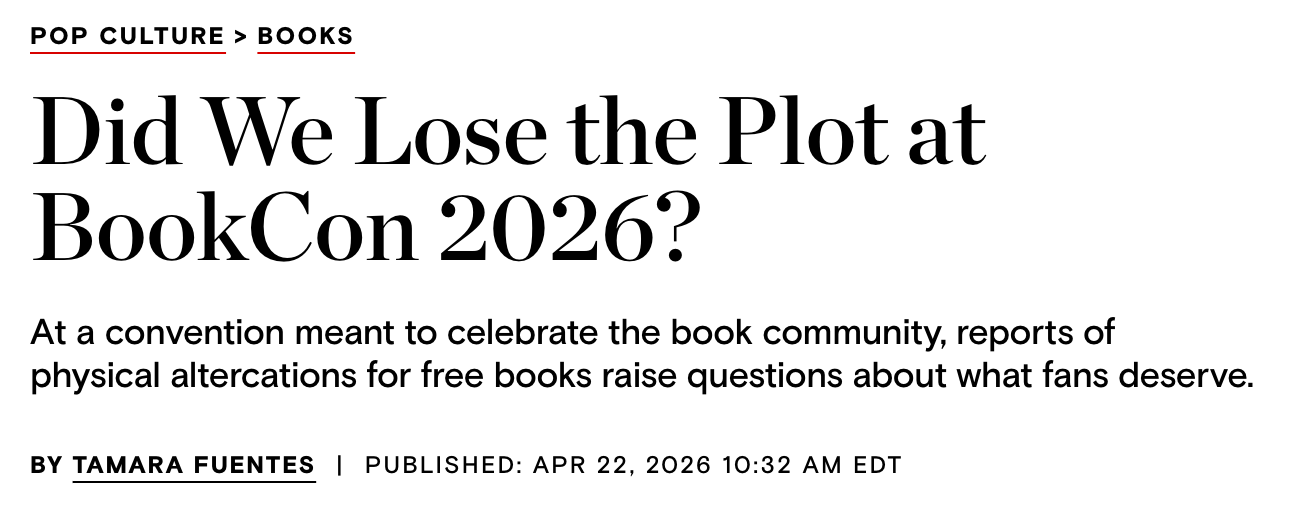
EK: That’s so nice. <laugh> Were you at BookCon? ‘Cause I know that just made a resurgence, and I heard there was a lot of controversy…
FB: I have a ghost account on Threads where I just follow the drama. I saw there was a lot of drama about BookCon, but I was not there. I was at Winter Institute, which is a closed conference for booksellers.
EK: Seems maybe less feral…?
FB: Definitely less feral. There was a little bit of that energy during the first author reception, but even then it’s fairly orderly. It’s a professional conference, so people know that they need to have their professional work face on.
EK: No one’s gonna throw elbows over a galley…
FB: Yeah, no, there’s not gonna be a fistfight. The Threads rumor was that there was a fistfight.
EK: I really don’t wanna be on Threads, but I feel it’s weirdly where all the literary drama is recounted? I have no idea why.
FB: I don’t know why, either, but I follow this great Substacker called Lady Whistlethreads, and she just recaps the book drama.
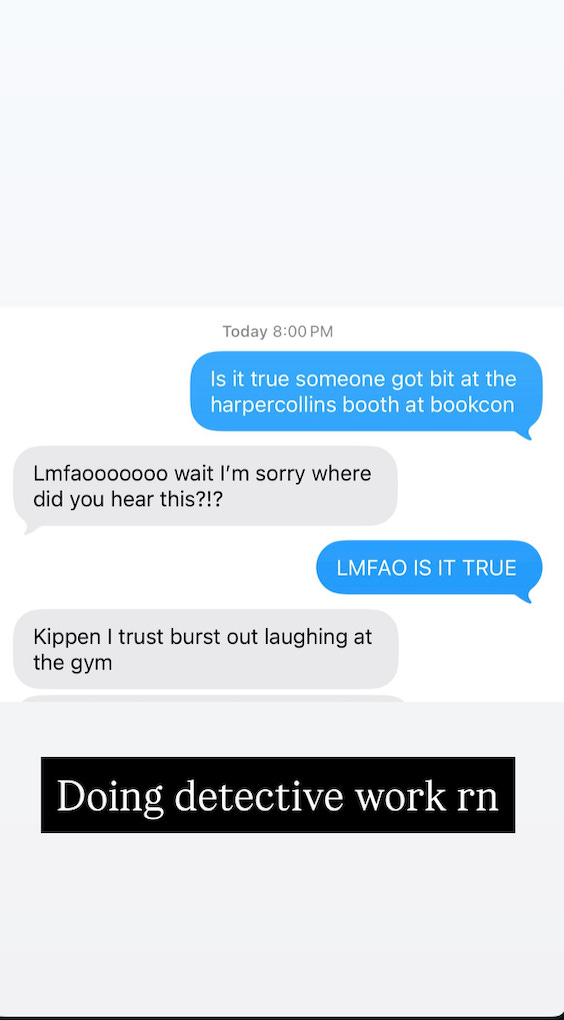
EK: Okay, I need to follow that. Yeah, someone who used to intern at Harper posted on their Instagram Close Friends being like, I heard someone got bit at the Harper galley table? Is this true? Ultimately it was debunked, but if that was the type of rumor to be spread, it doesn’t sound like a very good time to me…
FB: A nightmare. I would rather just wait ‘till the book comes out and buy it like a normal person; I’m not gonna bite someone over an ARC. I guess that’s easy for me to say, ‘cause I have access. Our account is longstanding with every publisher, so, if I want an ARC, I can get it.
I got an ARC of Alchemized, and those bitches were numbered…
EK: No, I mean the numbered thing is crazy. It feels like even three years ago, there wasn’t this feverishness around galleys…
FB: I wonder how much of it is related to BookTok and book influencers becoming more powerful over time—having that early access and bragging about it on the internet. And then other people are like, so why can’t I get this galley? I don’t know, it almost feels maybe publishers should pull back from giving those galleys to influencers…?
EK: I mean, it seems like it’s selling copies.
FB: That’s true. Maybe I’m wrong, but aren’t you kinda ruining your market? I don’t know anything about marketing…
EK: I mean, I am not publishing Alchemized—or any galley that would be numbered (yet!)—but if I am printing 200 galleys for an Alchemized-type book, that would be such a small percentage of my print run / the overall demand. Versus, if I’m somehow printing 200 galleys for a literary debut…I do actually need some of these people to buy the book…
FB: No, that’s true. Especially for literary fiction where your market is gonna be in the thousands rather than in the hundreds of thousands. I would imagine that you don’t wanna give the book away for free to your only customer base.
EK: As somebody who’s always had premier access to these galleys, now that they are such a hot commodity, do you feel like you have to walk around with them slipped into a paper bag or something?
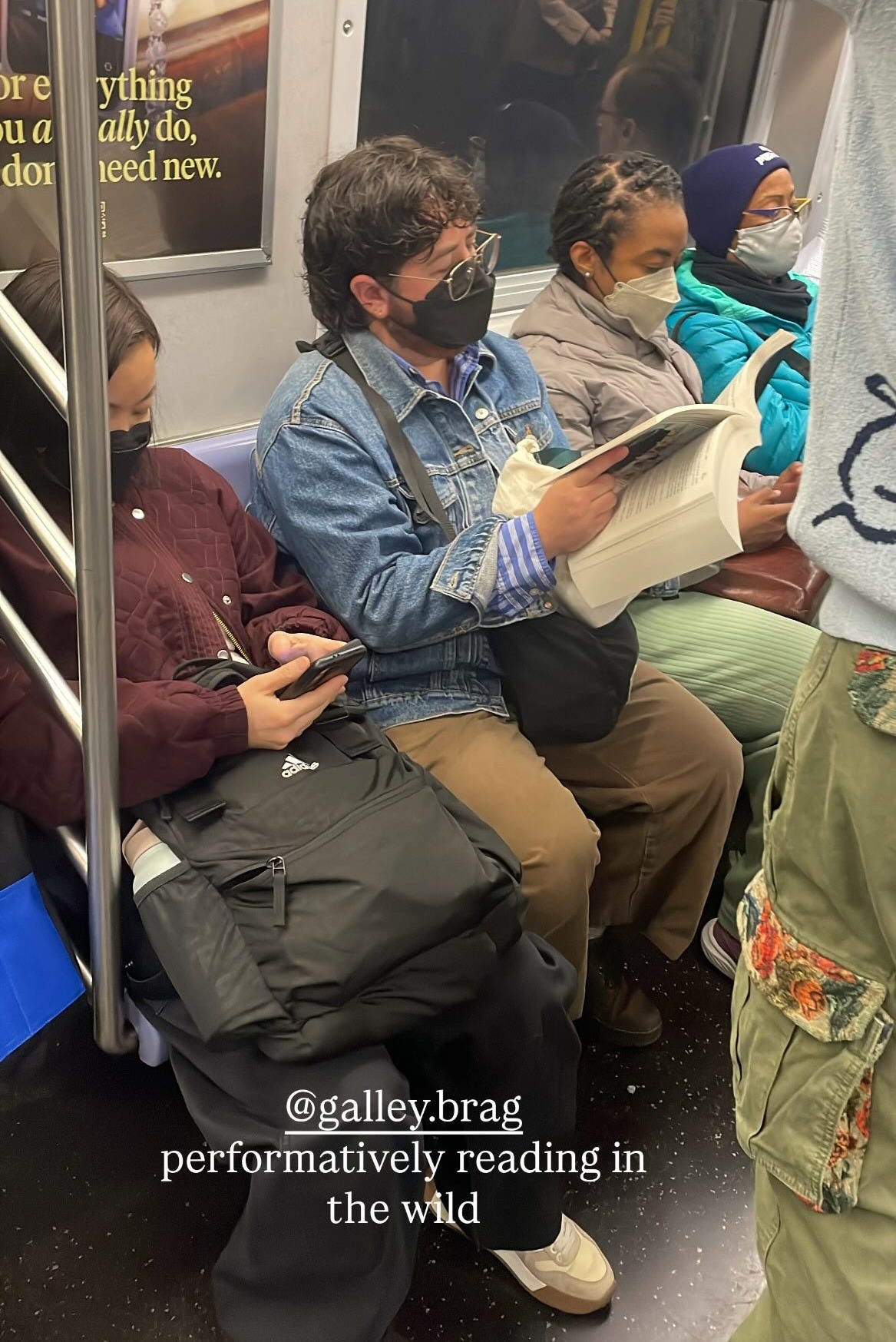
FB: I think it would be different if I lived in New York where there’s a major city with a big reading community. I’m not suggesting that Kentucky doesn’t have readers because we really do, there just aren’t as many average citizens dialed into like, is that the new Rachel Harrison galley? If I’m reading that on the bus, no one is gonna notice or care, but they might if I was reading it on the New York City subway, near a publishing house.
I do sometimes feel I have to hide my galleys from my co-workers…we’ll get excited about the same stuff, and I’m like, no, I wanna read it first.
EK: No, that’s so fair. When people send me galleys at the office, sometimes I’ll have co-workers be like, is there a line for this galley? And I’m like, well, how quickly are you actually gonna read it? If it’s horror or something dark and speculative, I’ll usually give my husband first dibs, since he mostly reads in that genre. But he’s like, I am not going to read this as fast as you want me to. And I’m like, that’s so fair. I’ll circle back to you when it’s out.
Outside of being a huge galley bragger and buyer, you were also just interviewed on Planet Money…
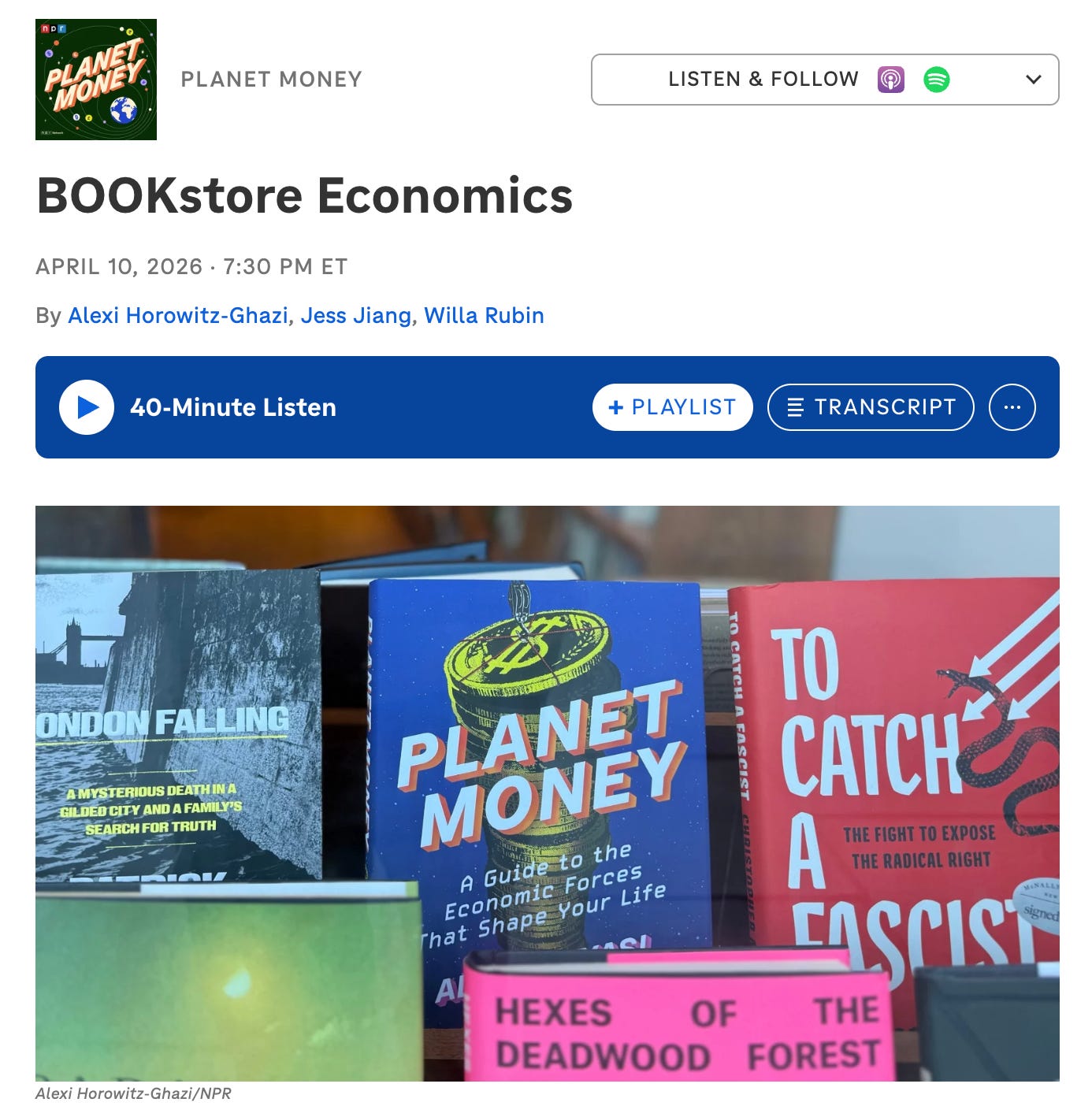
FB: Oh my gosh. That was so wild. I am not an important person—and I don’t mean that in a self-deprecating way. I’m an average Joe and I’m fine with that. I’m very comfortable with who I am. So, that felt very surreal, ‘cause they’ve got a national audience. Sorry, I feel like you had more of a question there…?

EK: I mean, it just goes to show how much of publishing is a self-fulfilling prophecy. And it was interesting listening to you being like, well, I was only gonna stock X copies of the Planet Money book, but since this book is getting national media, I should order probably more…
FB: Yeah, Alexi pointed out that—by observing them observing us—they had changed our buying calculus, which is true. The book came out on April 7th and my initial order was four copies for each store, which is display quantity. It’s a good buy for a small store, but then I upped it to twenty copies for each store. The book came out on April 7th and the podcast did not drop until April 13th. We only sold one copy of that book before the episode featuring us came out, and after that we sold something like fifteen in a week.
It was really funny. When the podcast came out, it was a Monday night and I was working at the store, and someone came in and said, I had to stop in. I was just driving through—I’m not from here—but I was listening to Planet Money while I was driving. I heard about Carmichael’s and I figured I should stop and get that book. And I go, that’s very funny. And also that was me.
EK: You’re like…does my voice sound familiar to you?
FB: I know <laugh>. Every time I’ve heard my voice recorded I’ve thought, oh, I sound so stupid. But I didn’t feel that way about this one.
EK: I thought you sounded very smart.
Carmichael’s is a smaller store, and I know you’re just focused on frontlist buying. Do you have a sense of your allocated shelf space for frontlist titles, aka, how many new frontlist books you can really buy? Or does it fluctuate depending on how strong the books are looking in any given season?
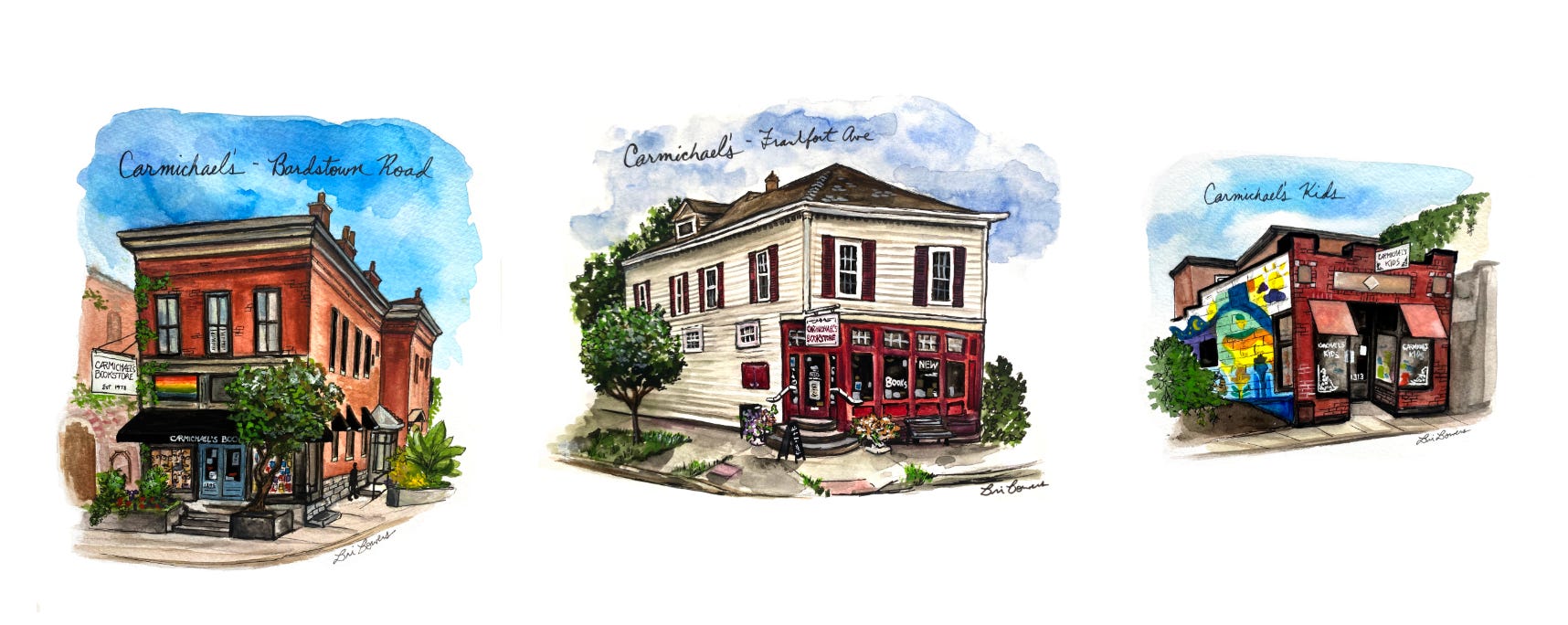
FB: It’s kinda the latter; it depends. I’ve only been doing this for two years now at this point. My first two seasons of buying, I overbought and my booksellers were like, we don’t have anywhere to put books on the shelves. The sections were stuffed to the point where the booksellers were almost in tears. And I felt so bad. By the time I realized my mistake, it was too late to pull back; it was going keep being that way for the next six months.
But I did adjust and I started a spreadsheet, ‘cause that’s the kind of person I am. We are fortunate in that we have an office we run our school business out of, so we’ve got space to store extras of anything that’s a big seller that we want a lot of backstock of. But I really can’t go over a certain amount because there’s literally not physical space for those books on the shelves.
But sometimes it’s the strength of the season. 2025 was a less exciting year for literary fiction. There were some good books, but there weren’t any…
EK: There wasn’t really a group consensus of the Big Book of the Summer / Fall. Everything just kinda melded together.
FB: Yeah, and there were great books published last year, but there wasn’t a big splashy thing or multiple big splashy things. This year, there are so many big splashy books, so I know that I’m gonna be using our office a lot more. We will probably be spending more money and buying more books this year.
EK: Well, that’s exciting! Or frightening…
FB: Frightening maybe, because how much money are people gonna have in the fall when all these big books are dropping? Are they gonna be able to read every big book that they wanna read? Are they gonna have the same amount of disposable income? I don’t really know. But we’ll see.
EK: I mean, if you’re thinking about capturing the person who buys maybe three or four novels a year—even if they are primarily buying literary fiction—which of those huge plethora of huge titles are they gonna pick? Just because there are more good big books out, that doesn’t necessarily mean people are gonna buy more books; there is just gonna be more competition among a set of books to be the book someone chooses to buy.
FB: Yeah, I’m a little nervous about it, because last year it was pretty easy thinking about how many books to bring in and which books I should order case quantities for. A nice, closed case ships really well, but I’m only gonna bring in so many of those every season, but how do I know which book is gonna hit? There are so many big names.
EK: There has never been a good formula to figure out which books will sell, but, in the past, you could at least be like, I’m gonna want X quantities of every book club pick because I know that moves copies. The things that used to be markers for success don’t necessarily move the needle in the same way.
FB: I do feel that’s really true. There was a recent unnamed book that was a book club pick, and I’d ordered six copies to each store, which is my standard for book club picks. And we only sold one copy in the first month. That was very unusual.
KB: I was like, why is no one buying this book? It’s all over Instagram; we’ve got it displayed on the table; it’s got this big book club sticker on it. Why is no one buying this? We finally sold, I wanna say, seven copies between the two stores on independent bookstore day. So, maybe people were just withholding their purchases until then? But I just sat there and watched the stock for a month. Even the book club picks don’t sell the way that they used to.
EK: Yeah, it used to be that—if you got a book club pick—it was pretty much a guarantee that you would hit the list. Sometimes I’ll look at recent book club picks in Bookscan and be like, wow, this really didn’t sell anything…
FB: I know, it feels really sad. I think it kinda makes sense because those are traditional media stars with an aging fan population. The people that are moving units are these random weirdos on TikTok—and I mean that in the best way. Suddenly this random tweet by some guy named Bigolas Dickolas can propel a book like This is How You Lose the Time War to the top of the paperback fiction list. The young people that follow that sort of new media don’t follow the old rules.
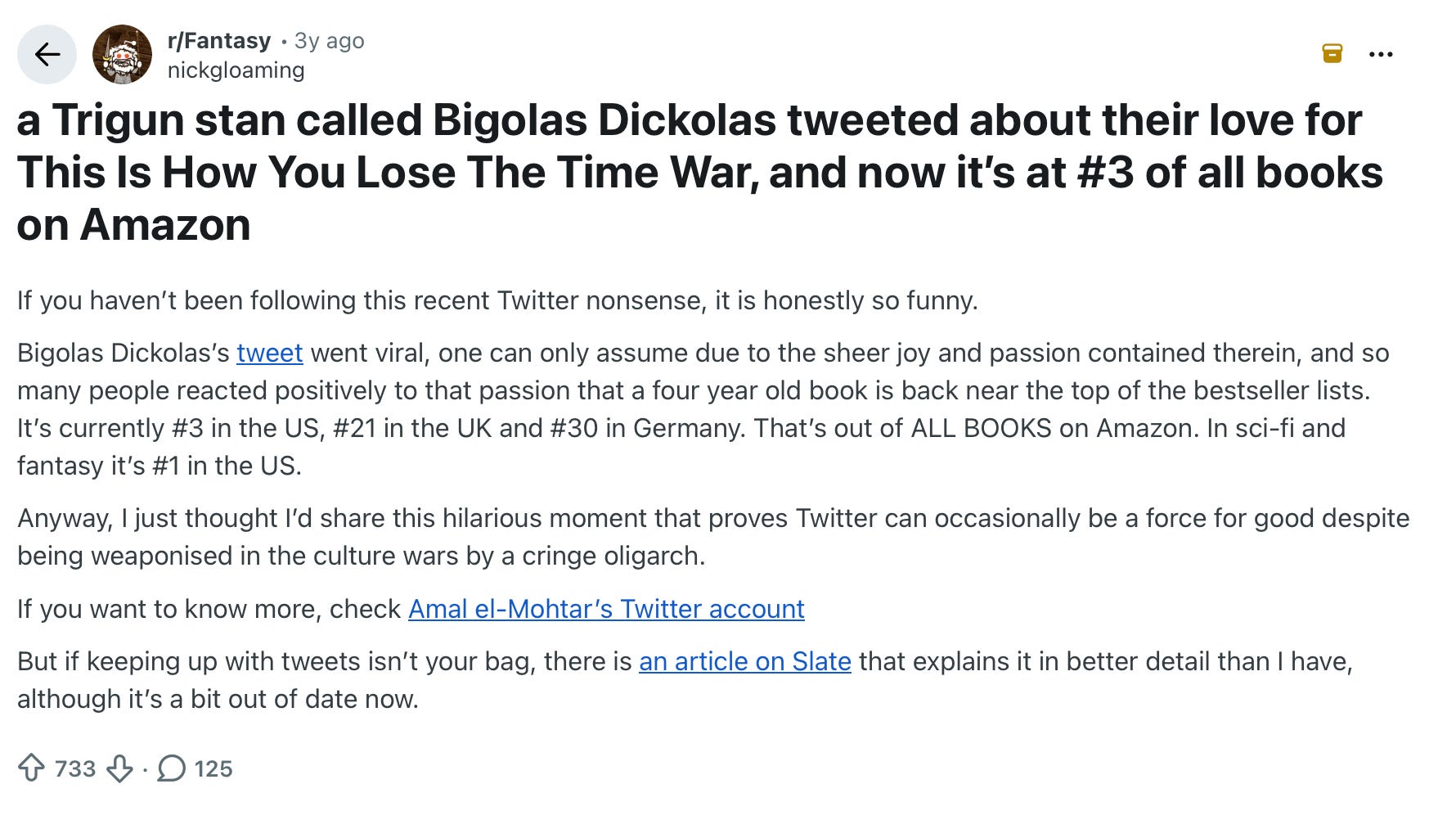
EK: Yeah, which is so exciting. I feel like more junior editors are constantly shouting into the void being like, younger people buy books! We just have to do something different! Even when the sales prove us right again and again, there’s this hesitance to go outside of the time-honored formula of how to build a book and make it a bestseller…even if that formula no longer works.
FB: In general, it feels as though the publishing industry is not as agile as other industries. Everything is a little bit slower and turning the ship takes a lot more time. Who knows where it’ll be in five years.
EK: I ask myself that all the time. Obviously, you had mentioned This Is How You Lose the Time War, but are there any other books that have done surprisingly well in your stores and took you by surprise?
FB: It happened with Jacqueline Harpman, ‘cause we ordered one or two copies of I Who Have Never Known Men for the store and that was ‘cause it got ordered before I took over buying. As a bookseller, people would come in and ask for it, and I was like, who is buying this Transit Editions book? It was a lot of young people coming in, usually women.
That was the first time there was something bubbling up that was not at all on my radar. I was already interested in that book because I’m interested in all sorts of weird stuff, but it’s funny to see someone who typically reads a lot of romantasy coming in to buy some obscure translated fiction from the nineties...
EK: I actually have not read it yet, but I did read Orlanda. Have you read Orlanda? That’s like the newer…
FB: I haven’t—that’s the only one I haven’t read. But I read the newest one.
EK: I was just gonna ask you how it was!
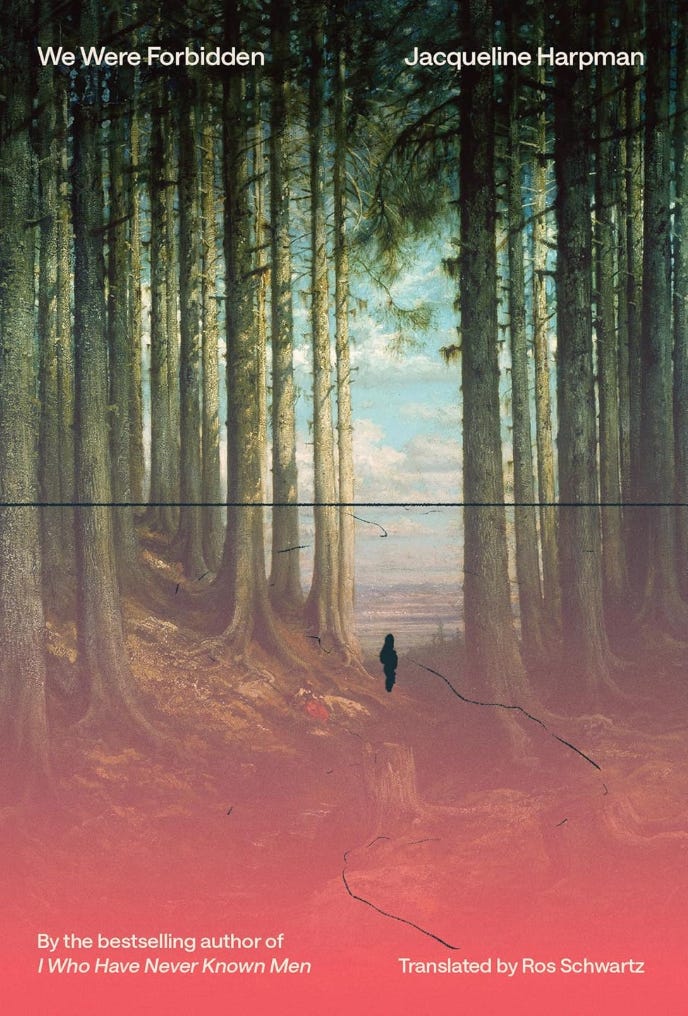
FB: It’s called We Were Forbidden. It’s really slender; it’s only like 89 pages. I really enjoyed it. There are only three stories and the very first one is very reminiscent of I Who Have Never Known Men, but then the other two were completely different. They kinda blew me outta the water, ‘cause I was like, oh, I didn’t know she could also do this.
EK: Interesting. I know you’ve talked a lot in interviews and on NPR about being one of the final gatekeepers in the publishing industry, and it’s such a weird term….something that can be unpacked a different day <laughs>.
But I guess it’s a similar responsibility to that of an editor; you’re constantly split between art and capitalism. You want to make the right financial call—not only meeting the demand but also anticipating that demand—but then you also want to be a tastemaker in discovering and championing new work; creating a demand for something that people might not even know that they want and shepherding new, great art into the world for the purposes of culture. Do you feel that you’re constantly weighing both of those ends, or do you just lead with your gut?
FB: That’s such a good question and something I think about all the time. I think anyone who works in publishing probably thinks about that on some level; none of us care about making the most money, or we wouldn’t be doing this job in the first place <laughs>.
But, obviously, we all have to pay bills. And so we want there to be a certain level of profitability so we can continue to do what we’re doing and pay our bills. There is a capitalist impulse that you have to satisfy, which I think some people feel a little dirty about.
And then I’m also in a unique position, because I don’t own the store. The decisions that I’m making are still for our store; the store does have an editorial taste, which I inherited and agree with for the most part.
With indie bookstores, the margins are very, very thin. So, I can’t not buy this book if I know it will sell; we have to capture those customers. I have this platonic ideal of a bookstore in my mind where I only stock the things that I think are really cool, but that bookstore would never make money.
EK: You’re like, it’s just my house. It’s all the books on my shelves that I love and wanna give to my friends.
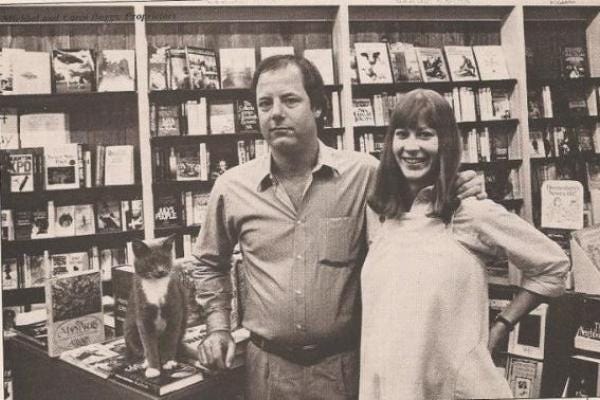
FB: Yeah, that bookstore would not make money. We’ve gotta bring in whatever thing is gonna sell, but we’re not completely crass commercial. We are more left-leaning and are pretty open about that. We have focused on LGBTQ books. Our owners are not queer, but they have been queer allies since they started the bookstore in 1978.
EK: I love that.
FB: I know—they’re fantastic. So, we’ve already got that built in, which is great. But if I really wanna bring in this tiny Archipelago Edition book—which is distributed by Penguin Random House—probably only one person is gonna buy it, but I’ll take two copies with the hopes that that will make it stand out on the shelf and maybe more people will buy it. But I can’t do that all the time…
EK: Buying for a bookstore feels similar to buying for an imprint. You’re constantly trying to find that overlap between what is gonna make money and what you care about. And depending on the market and general vibe of the world, sometimes that Venn Diagram overlap is nice and juicy and sometimes it’s a little teeny tiny sliver. And I feel the ultimate goal is to get better and sharper at landing the arrow precisely in that overlap, even when it’s thin.
FB: Yeah, it’s hard because I need to be aware of our space limitations. I need to make sure we have enough money. And every season I usually pick one random book from every publisher—I mean, not random to me, but a book I’m really excited about that the publisher is not pushing. I might occasionally bring in display quantities of a book, even if there’s nothing that justifies it, other than my gut.
EK: Do you have any examples of books from previous seasons that you decided to really champion, even if it was “random”?
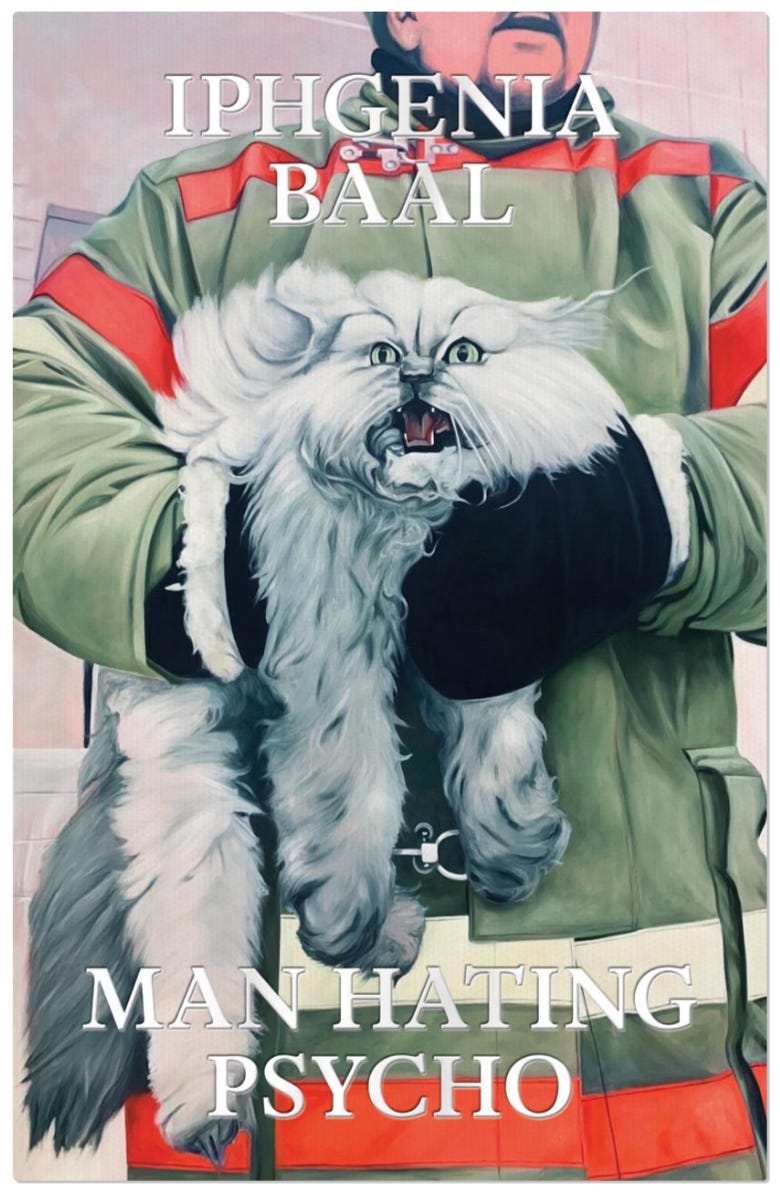
FB: Oh gosh, I actually did that with a book from that new tiny press Hagfish. Their second ever book, Man Hating Psycho is a book of short stories with a fantastic cover. We had no prior sales track with the author—I think she had only previously been published in the UK.
EK: Oh my god. Great cover.
FB: Yeah. It’s a great cover with this wild-looking cat…it’s fantastic. I looked at it, and immediately was like, this cover will sell the book.
And also the title: Man Hating Psycho. We’ll sell this book. Normally, for a book of literary short stories from a small press, if I believe in it, I’m gonna bring in one copy. And with this one I was like, no, we have to have this face out.
EK: Yeah, if I was just scanning the spines, this book might not really jump out to me, but if I saw this on a table display in paperback…Typically I won’t let myself buy a Big Five book—particularly if it’s a hardcover—because it’s a lot of money and I know I could probably just get a copy from a friend. But if it’s a paperback from a small press, I can justify it. If I saw that on a table and knew nothing about it, I would be like, sure, why not? Let’s try this.
FB: Yeah, let me look up our numbers to see how many we had sold. I think I initially ordered five copies for each store, which is a big buy for a small press book. And we sold nineteen.
EK: That’s huge.
FB: Yeah, it’s huge for us. Obviously there are books that we’ll sell more of, but that’s very, very respectable for a random book of short stories.
EK: No, absolutely. Something else that I appreciated from your most recent reading roundup is you were talking about the gaps in the sales markup and consumer-facing copy for a book you were reading and how it subverted an audience that it could have totally captured. How often do you feel like you encounter this kind of situation?
FB: That’s such a good question. I do feel it happens a fair amount. You can see it if—for whatever reason—you go to the Goodreads reviews. You’ll see a bunch of people who misunderstood the premise of the book either based on the marketing copy or their own wrong-headed ideas of what the book was supposed to be about.
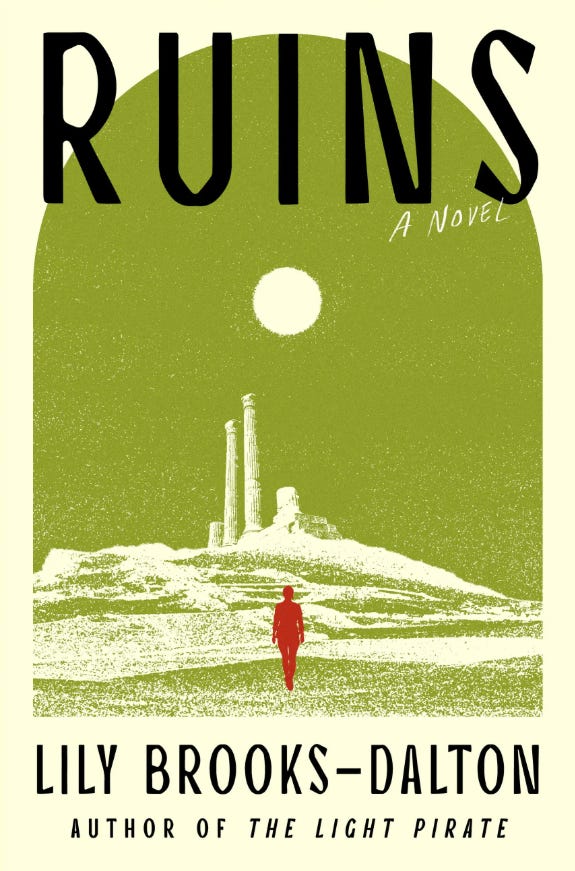
I mean, the best example of this is probably Ruins, which is the one I mentioned in my Substack. I still feel very confused by what happened there. The book is fantastic. And I don’t know if you saw this, but there was this comment where someone said, I felt so tricked and frustrated by that reveal that I immediately stopped reading the book. Which, at that point, your bean counters are like, well, but you already bought it, so that’s a sale, but the author also wants people to read the book and not feel tricked…
EK: Do you think the reveal was meant to totally take the reader by surprise and the publisher just didn’t wanna give that reveal away in the copy?
FB: I really don’t know. I think that’s why I suspected that it could have been the author or the marketing team. It feels like a very artistic choice to not include that reveal. I kinda wonder if the author and editor wanted people to go in without that expectation because there are about 108 pages before you realize that the book is set in the future.
EK: That’s a good chunk…
FB: The book is around 400 pages, so it’s only one quarter of the book...but you realize very quickly if you’re a careful reader, which not everyone is. If you’re a careful reader, you’re like, why isn’t she making any phone calls? Why is she riding a bicycle to her university? Why is she doing all of her scheduling on paper? Why is the news about this artifact that she’s found coming via a ship? All of that happens very early on. You can figure out from the first chapter—if you’re a careful reader—that things are not normal. You don’t know what time period it’s set in, and it’s written that way on purpose.
If you’re a good reader—a reader who doesn’t care where the story goes and you’re just along for the ride because you believe in the author—then it would be very satisfying to piece together those clues and figure it out on your own. But I think a lot of people are not that reader, and you’re gonna piss ‘em off…
EK: Yeah, I’m of two minds about it. Sometimes a book will come in on submission, and I’ll be like, oh my god, this reveal is so good, but how do I pitch this to my team without giving that away? How would I present it in the copy? There are ways to build that tension into the copy and imbue it with some sort of strangeness or sinisterness, but then you won’t be truly taking someone by surprise; they’re already gonna have their hackles up. It’s so hard.
I wonder if this TikTok-fueled labeling of new micro-categories and genres puts further pressure on the set-up vs actual reading experience? If someone goes into a “weird girl novel” and the girl isn’t “weird” enough or if a space opera is marketed to lightly speculative literary readers, then the reader is going to be disappointed regardless of what they actually thought about the book. Or maybe people are just complaining more about it online because it’s an option and also one that is often rewarded…?
FB: It does seem that more people are complaining online. I do feel it’s the sign of an immature reader. I know that sounds really judgmental, but I think a lot of the people that go online and complain on Goodreads are younger readers that are newer to the “reading for fun” journey and are frustrated by the little things. Things that bothered you when you were twenty-two are not gonna bother you when you’re thirty.
But I’ll say that even knowing the reveal—that it was set thousands of years in the future—didn’t feel like a spoiler because I still didn’t know what the artifact was going to be. And it clued me in to start thinking about how it was outside of our time, because it did feels so similar to our timeline in so many ways. So, I was really excited about the reveal and felt it was really well done.
EK: Yeah, and even if you know what the reveal is, there’s still the curiosity of, like, are we gonna find out what happened in the span of thousands of years that caused us to return to an earlier technology? There’s still so much unknown and uncertainty that makes you wanna read more…
FB: Yeah, and those are questions I’m interested in. I was really excited to see the world unfold for you—and it does just that. But I can understand that if you’re going into a novel thinking it’s a normal divorce story about an academic then you might be disappointed when it’s an Emily St. John Mandel-style speculative novel.
EK: On that note, I’m not going to quote you back to yourself, but you had this great line in your Substack about how your love for books is infinite but your ability to give each book your attention is not. And I think about that a lot when things are off, positioning-wise. Maybe if everyone just slowed down and published fewer books, we would be able to get more things right and better capture readers…
I have said in the past that there are too many books. . . . I stand by the “too many books” statement when it comes to curation. It makes my job harder when the curation stops too early in the publication process. I am the last sieve in the winnowing process of books going to bookstore shelves, and the more stuff that gets put into my sieve, the longer it takes to sift through it all and find the right stuff. When the number of books increases every year, my job takes more and more time if I want to give books the same amount of attention. I would love to pretend, like some polyamorous dude with a wife who does all the emotional labor for him that “love is infinite.” Sure, my love for books is infinite. But my time to read the books is not.
Obviously more books means less time for you to scan through everything, but do you feel that the percentage of good books is remaining steady—aka, more books total means more good books—or do you feel as though the number of good books is a constant and there is just more rough to sort through?
FB: I do think that it depends on the season, but it’s really hard for me to say because I’ve only been doing this for two years. I do think that there are way more really good, high-quality books being published than people want to admit, at least on Substack. I’m sure you’ve seen the hot takes of like, everything is trash and traditional publishing doesn’t know how to do anything good anymore. And I think that’s just such a—
EK: Yeah, you’re focusing on five traditionally published books that everyone’s talking about that you don’t like versus the thousands of books in the catalog that never see the light of day—or at least the light of discourse lol.
FB: Yes, and I think it’s such a deeply uninformed and uncurious take. Because I have so many books on my radar that I know will be good, or I’ve only just read a couple of pages and can already tell that the writing quality is excellent. And I know I’m never gonna get to all of them.
But when I hear people saying, oh, I can’t remember the last time I read a good book. I’m like, god, just go into an indie bookstore and ask the nerdiest looking person behind the counter for a recommendation of something you’ve never heard of. You are a fundamentally incurious person.
EK: Or go to the library? Sometimes I become allergic to looking at frontlist titles because I know too much about how the sausage is made, or I’m just honestly sick of looking at the cover.
My medicine for my book sickness is that I’ll go to the library and look at the spines and only choose books I’ve never heard of by authors I’ve never heard of, and hopefully also published by imprints I’ve never heard of. And it’s low-stakes because I can always return it, but normally I’ll have a good time because I don’t feel the weight of all my expectations pushing down on me.
Do you have a similar relationship to reading at this point, or do you feel you’re able to maintain some purity and distance?
FB; No, I definitely do that. And I definitely feel overwhelmed by it all just being too much. It’s not easy for me to find something that I’ve never heard of because I buy from every publisher. But sometimes I’ll go deep into backlist when I’m looking for a break from the newness of everything. Or I’ll go onto Blackwell’s UK site and look at books that are only published in the UK.
EK: That’s really smart. Do you feel that the only way you can really relax into a book is to focus on deep backlist or something outside of the purview of what you would buy for the store?
FB: I mean, I still am able to sink into books if they capture me enough, but it does feel like reading is almost always homework and I always feel obligated to do it. Like, I need to read these four books before the Indie Next nomination deadline hits. I’ve even got them organized—I don’t know if you can see behind me, but I’ve got them organized on shelves with the dates.
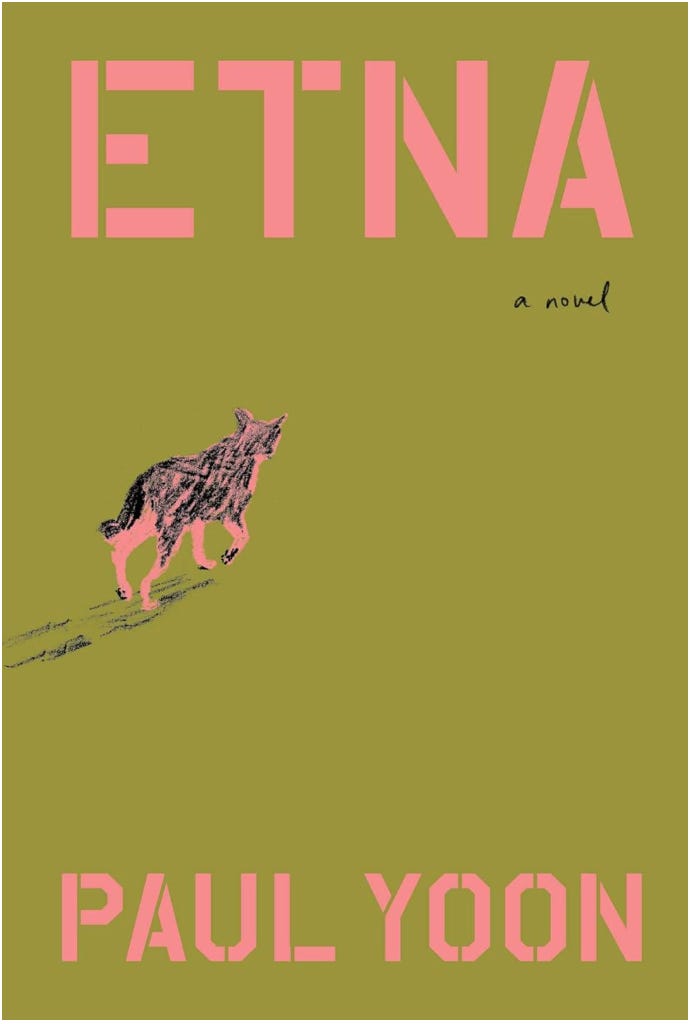
So, by June 8th, I’ve got four books set aside. I have Etna by Paul Yoon…these all come out in August, by the way. I’ve got them separated out that way.
FB: I feel a professional obligation to the authors and my store and the ABA—the American Bookseller Association that does Indie Next stuff. I’ve gotta be a good literary citizen….if I’m reading something current, I feel like I’m being bad.
EK: I feel the same way. Even on the weekend if I’m reading a book for pleasure, I’ll feel my phone burning in my pocket with the twenty submissions that I need to read. I’m like, I’m being so bad. But, at the end of the day, reading a book outside is a net good.
FB: Yeah, and, I mean, our store owners pay us well for an independent bookstore, but I don’t get paid to read.
EK: I mean, me neither <laughs>
FB: I do that for fun on my own, but I still somehow have given my internal self all of these moral approbations for not keeping up.
EK: A few years ago, everyone around me was going to grad school, and I was like, I don’t feel like I’ve ever left school. I have assigned reading all the time, except it’s me assigning the reading to myself.
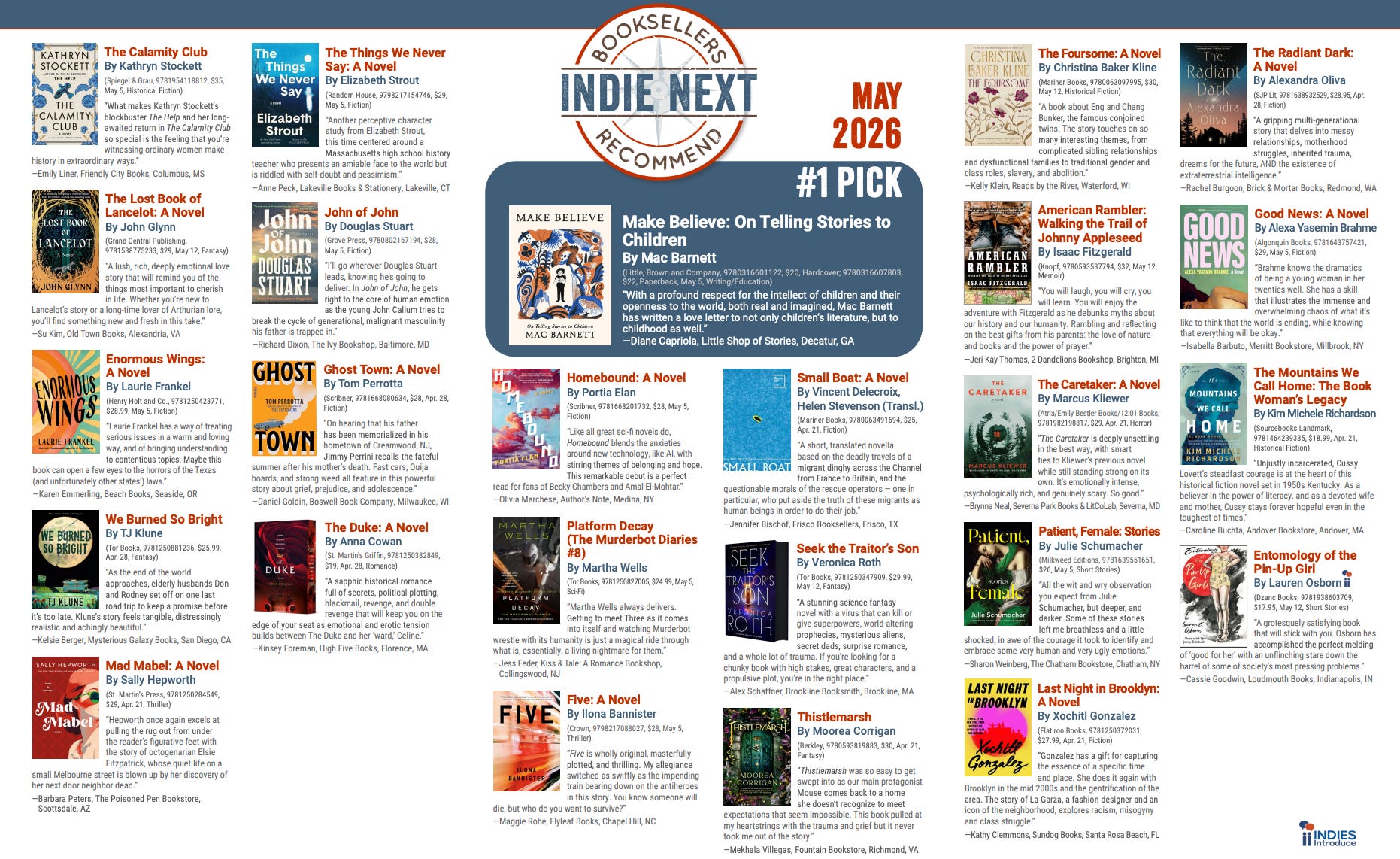
EK: Going back to Indie Next picks, I feel they used to be more focused on debuts and the sort of books that maybe wouldn’t have gotten their chance in the sun if not for the nominations. In recent years, it feels like the Indie Next Books are just the new—
FB: —Lyla Sage.
EK: Or, the new Emma Straub, or whatever. Like, does this actually need *more* promotion? How often do you get the list and you’re like, oh that makes sense. These are also my favorite books. Or are you mostly like, how the heck did this happen?
FB: I am more frequently like, how the heck did this happen? It’s so funny you’re asking me about this because I just had a conversation with a sales rep that I love about how the Indie Next list used to feel more focused on debuts or smaller imprints—the books that weren’t going to be massively publicized because they were a little bit offbeat…
EK: Like, the kinds of books that wouldn’t be considered for the big celebrity book clubs—more geared towards an indie-first reader.
FB: Exactly. And I remember reading the Indie Next pamphlet as a customer years ago and thinking, oh my gosh, I’ve never heard of any of these books. I always found something new.
But it doesn’t have that feeling anymore. And I don’t know if it’s because of the influx of young people into the bookselling space and the taste of younger booksellers skewing towards more popular fiction and stuff…
EK: Looking at the list now, there are some books that are more discovery-based. But it’s Douglas Stewart and Elizabeth Straub, and…
FB: Yeah, it feels like it leans more towards general commercial success. I guess there’s nothing wrong with that, but it does make me kinda sad. A smaller, literary book that no one’s heard of has much less of a shot than it used to.
I don’t mean to denigrate romance in any way—it’s a genre I read in—but I kinda wonder what impact the rise of the romance-focused bookstore and romance booksellers has on the list. They are just rabid in their reading. If you look on Edelweiss, for example, and see how many indie booksellers have reviewed a book, that will tell me what its chances are of getting onto the Indie Next list—and commercial fiction is always up there. Commercial fiction also just typically has higher reviews on Goodreads, and the like.
EK: If a literary book’s goal is to challenge you as a reader, it will inherently take you more time than a romcom that you “read in one sitting.” If booksellers only have a fixed amount of time, they would probably want to prioritize something that they know they can read in two hours versus something where they have to carve out a few dedicated days to read. Unless you really connect and care about the book a lot, you’re probably gonna be like, oh, well I could read three books in the time that I read this one book. And it would probably be more helpful for my job to be able to recommend more books to customers. It’s hard.
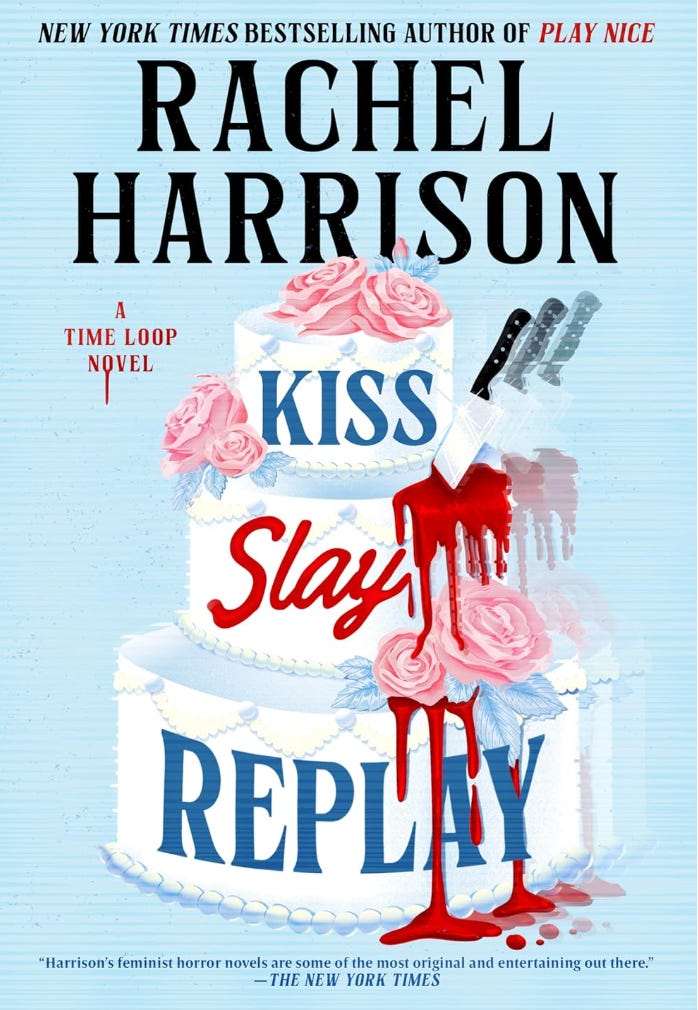
FB: It is hard. I just read Rachel Harrison’s Kiss Slay Replay, which is a horror novel that I read in a day. And that’s the point of the book. I read that in a day, and it takes me a lot longer to read other things that I wanna spend more time in. That is part of the calculus, but it makes me sad.
FB: Indie bookstores have also had to pivot and be much more customer service-focused. There used to be this stereotype of an indie bookseller being snobby and only recommending highbrow literary stuff, but that bookstore died in 2004. And the bookstores that have survived have pivoted to what customers love, which is romance—
EK: —which is awesome—
FB: I agree, but also you’ve lost some of that literary snobbery that made things unique. There are still plenty of people that come in looking for unique stuff, but there aren’t as many of them.
EK: Yeah, and you’ve talked about the importance of knowing your customer base, especially when ordering stock. For example, you can comfortably buy stock of a particular book if you know there is a particular customer who will love that book and immediately buy it. Does that happen every season, where you are able to look at your roster of customers and flag a book or two that a specific customer might want?
FB: I wish that it happened more often. It happens every season and with almost every publisher. There are probably about ten customers whose taste I’m familiar with. If I spent more time on the bookselling floor I would probably know more.
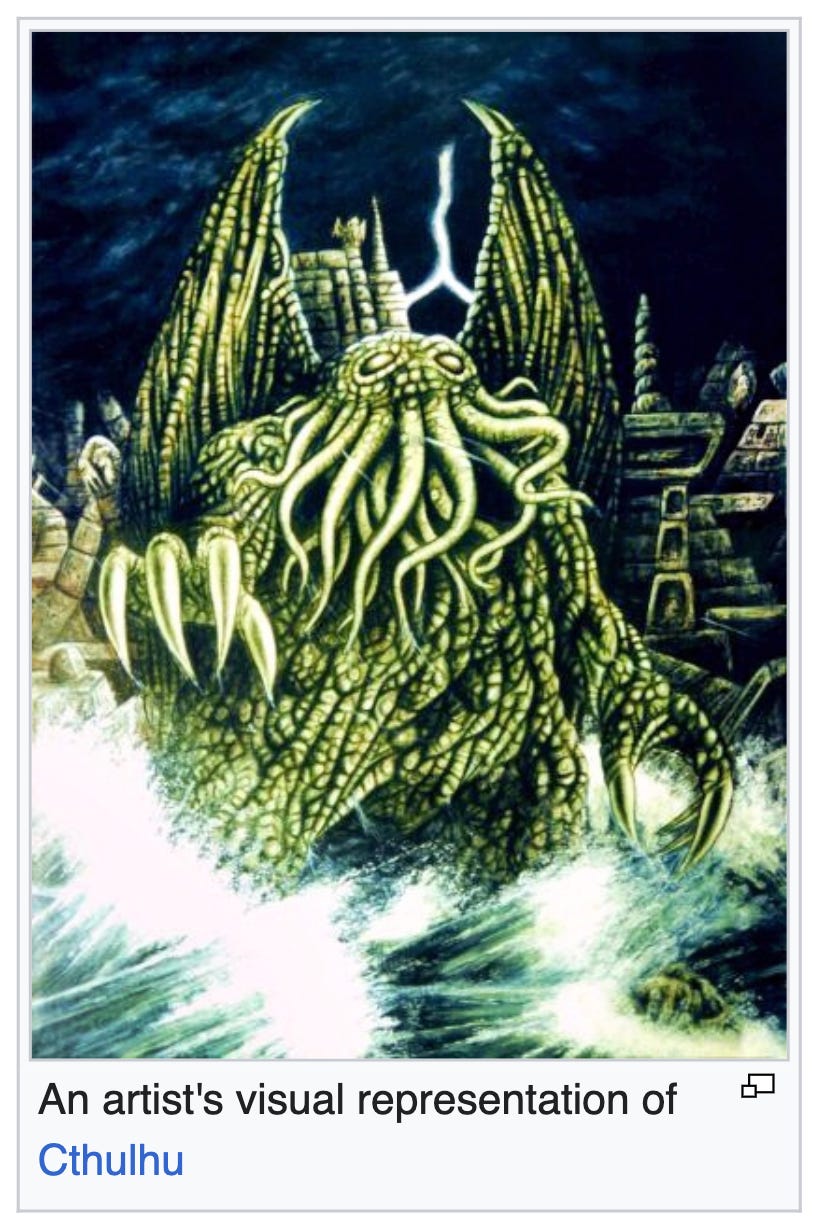
There’s one customer who gets highly fixated on a topic—you can tell by his special orders—and he will read everything that he can on that topic. So, he went through and read all of the Master and Commander books, which then led him to read all of these really fascinating maritime history books. And somehow it went from that to Cthulhu and then from Cthulhu stuff to Westerns.
EK: I mean, a person with a strong fixation is a great person to have as a customer…
FB: And there are several of them. I love when I see a book in Edelweiss and can immediately tag it for a customer. Like, have you seen this new translation by Anton Hur? I know he’s your favorite translator...
EK: I love the idea of you having a Guess Who-style mental photo of people with their likes and dislikes. You’re like, quick, Andrew’s walking in! We gotta hit him with the new Korean translation...
FB: It really is like that. I love it when I’m able to give a person the right book; I’m in the right job. I had a customer I had never seen before who came in and they were like, do you have anything like Hollow Kingdom by Kira Jane Buxton? And we brainstormed for a minute, and I was like, I don’t know of a really good comp for that, but we actually have Kira Jane Buxton’s next book Tartuffo in the back on the galley shelf. It’d been there for four months and no one had taken it. So, I just gave it to them. That was not a sale, that was me just being like, this person clearly likes this author, and they need their next book now.
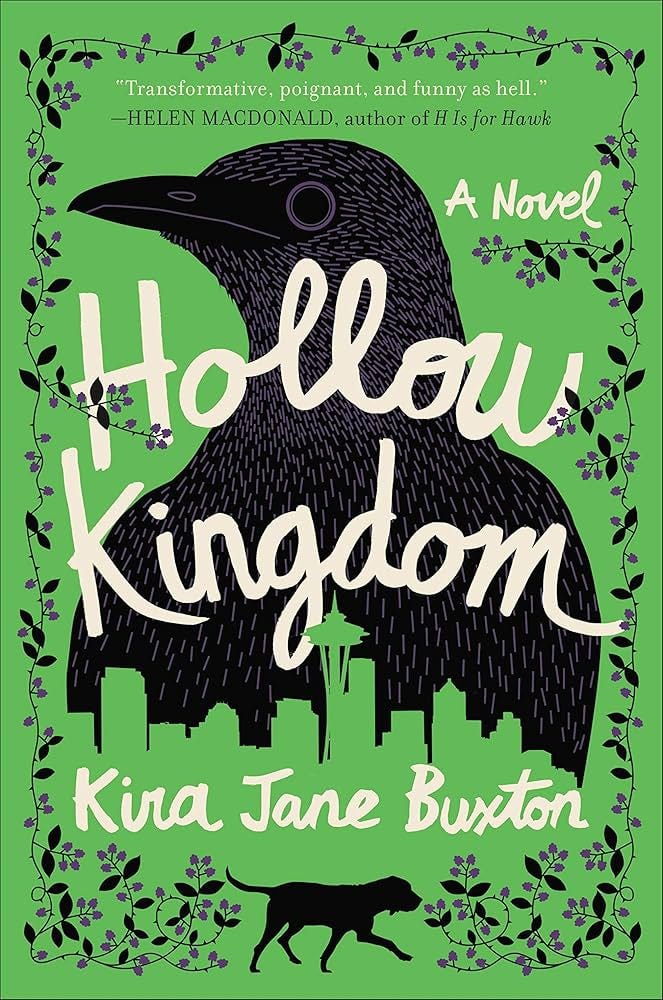
FB: And they did end up buying something; I think it was Dungeon Crawler Carl. But I was like, I’m gonna give this to you because not everybody is reading Kira Jane Buxton; none of our booksellers are reading this ARC, though maybe they should. But they were so excited and hopefully that means they would come back to the store. But I didn’t necessarily care about a sale there; I just wanted to give them what they wanted.
EK: And if you put on your capitalist hat, you’re like, now this person is going to want to come here and buy books because I earned their loyalty and trust. But also that’s just being a bookstore.
I know you were saying that there’s a certain politic to your store and the owners are very aligned with wanting to support and sell more left-leaning literature. But obviously things are really bad right now…
FB: Oh yes.
EK: Do you feel that the sheer fact of working at an independent bookstore independently owned by people who are very steadfast in their beliefs helps to insulate you from the shifting tides? I know you said in an interview that there’s only one book you said you wouldn’t stock…
FB: Yeah, I do think I’ve seen an influx in conservative voices—which, in and of itself, I do not have a problem with them being represented. I kinda have a librarian’s take on it, where I think we should try to seek different ways of approaching things, even if I think you’re stupid and wrong. In general, I don’t have a problem with conservative voices being represented in publishing, but I have seen an influx in die-hard, far-right books, very Trump-y books being published. And it stresses me out.
It’s concerning. And I know you guys wanna make money and these people are out there, but at what point are you gonna take a stand and say, good luck publishing that, but we are not doing it? And that’s not cancellation…
EK: No, no, no. I think about that a lot. And the hard thing is that that line was already crossed so, so long ago. There was a brief period when publishers responded to the backlash and/or internal pressure over books by authors like Milo Yiannopoulos and Woody Allen but then Skyhorse would swoop in and give them a deal. And then—at the end of the day—a traditional publisher could look at the numbers and be like, well we could have made money on that.
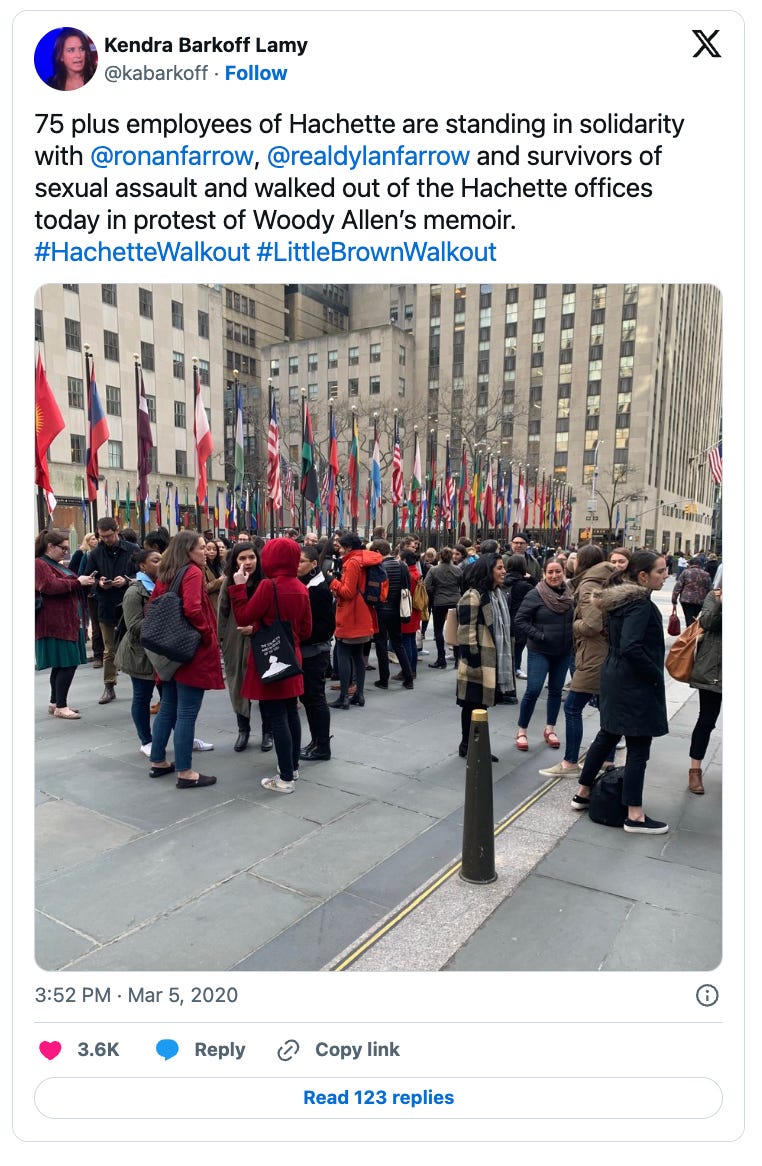
EK: And that’s so, so depressing. It’s hard for me to even start thinking about it, ‘cause then I will just spiral and be like, who’s gonna care about marketing and publicizing my trans books when you can do this and make a million dollars? I mean, obviously that’s what’s great about being at a bookstore where there is a certain kind of politics; it’s not just the “free market,” people come into the store knowing that it is curated. If, for some reason, they come in with the intention of buying a book that is antithetical to your mission, they’re probably gonna be buying that on Amazon anyway and not in your store.
FB: And I do feel very lucky because the store owners are very lovely people who support and stand behind my decisions. If they feel that we actually should have ordered more of a particular book, then they’ll sometimes make a decision where they’ll bring more stock in on the backend, but that’s incredibly, incredibly rare.
We did buy a lot of American Canto for some reason, and I blame myself for that one. I’m still really upset about it. It’s sitting there unsold on the shelves. But, at the time that I bought it, enough news had broken that it seemed it was gonna be a thing, but none of the backlash had developed yet. So, I bought it in that sweet spot, and I bought a lot of it.
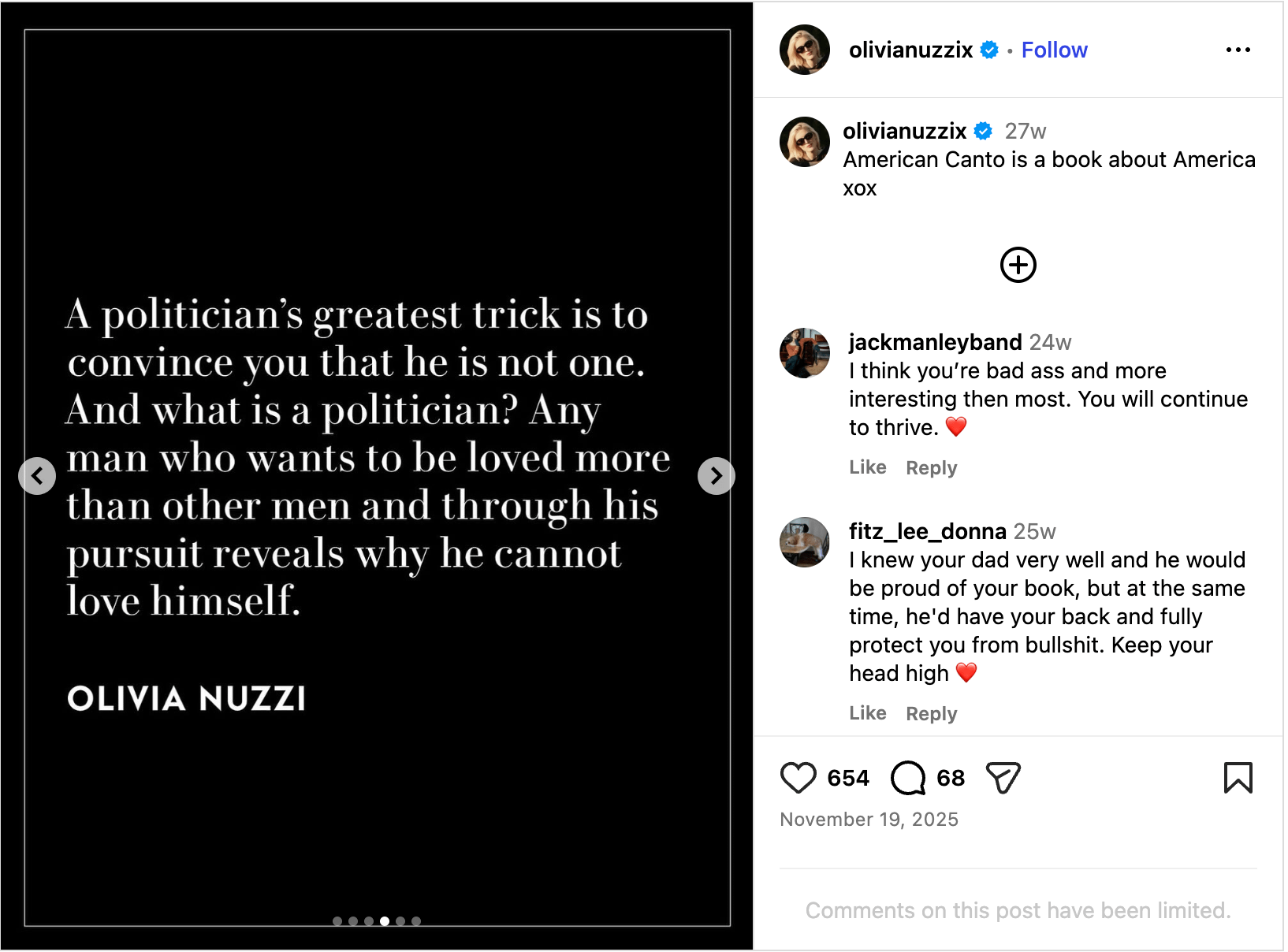
EK: Well, things change so quickly. It’s crazy. I mean, on our side, too. You could have an author booked on a huge daytime slot on a TV show and then something horrible happens and they get bumped. You really never know.
FB: I’m insulated from some of the bigger corporate forces, but it can feel really overwhelming. My husband works for an insurance company, and he struggles a lot with what his job means. And I don’t have to worry about that. In my job, I’m empowered to make meaningful choices and reach my community where they’re at. I feel my job is meaningful and the work that we do is important in our community. And I feel really, really lucky, ‘cause that has not always been the case.
EK: Yeah. I mean, it’s the double-edged sword of doing something you care about as your job and also your job being something you care about.
I wanna ask you one more question before we talk about galleys. If you were in a boardroom with all the Big Five CEOs, and they were like, Fisher, please, how do we make your life easier? Besides publishing less books, what would you ask for?
FB: I’ve thought about this question a lot, and I have two things. The first one is to stop using AI to fill out your comparable titles. Stop it. I can always tell, and it makes my job so much harder. I like to think I’m a good buyer; I pay attention; I’m monitoring stuff really closely. But multiple publishers have started using AI to fill out their comps, and I can always tell because I’m very familiar with books in general.
EK: Are you just like, oh, this comp totally doesn’t make any sense for the book?
FB: No, they just completely miss books. So, this is not a real-life example, but let’s say you were selling We Were Forbidden by Jacqueline Hartman. I recognize her name; she’s a big author; and we’ve sold a lot of her before. But you don’t have I Who Have Never Known Men in the comps???
EK: That’s crazy.
FB: Or worse, you have the ebook. Why would I—as physical store—give a shit about the ebook? Why would you include the ebook and audiobook ISBNs in the comps, but not the hardcover or paperback comps? So, now I have to then do the work of either looking at my own sales data or adding those missing comps into the system. It takes a lot of additional time, but I care about it, so I do that work.
But not everyone has that time. And not every book buyer is paying that close of attention. So, you’re missing sales.
EK: That’s how I feel about the AI stuff, too. I mean, obviously I hate it overall, but also, every step in the publishing process is a sale: getting my publisher on board; getting my sales team on board; my sales team getting their reps on board; the reps getting the booksellers on board, etc. Why would you outsource or underbake any step of that process when it’s already such a delicate and precise art? Why would you make that “yes” any harder?
FB: Yeah, it’s infuriating. So that would be my number one ask: stop using AI, because there’s an art to a good comp. I recognize it’s gotta be extremely time consuming and labor costs money, but AI isn’t free like you think it is; there is a cost.
EK: I need that displayed on a banner, lol.
FB: It’s true! There will be a cost, you just haven’t seen it yet. In the meantime, you’re so excited about not investing in your people. Have fun with that.
And the second one is that I would really love it if people could spot when a trend is plateauing and—
EK: Yes.
FB: —before it plateaus. Maybe just communicate with other and pay attention to what other publishers are doing. I think romantasy is slowing down, but there was a time when the market was so flooded that I couldn’t figure out what was good anymore. And that made my job a lot harder. I couldn’t figure out which romantasy books were gonna hit, ‘cause they couldn’t all hit.
EK: I mean, that’s the thing with most “trends.” As a publisher, by the time you are able to see consumers really liking something, chances are its already too late. Even if you stop the presses and get someone to write a book in a day and immediately send it to print and are able to get it onto shelves within months, you’re gonna be on the fatigue end of that trend regardless.
As someone who is always trying to anticipate the trends, it feels crazy-making when people are like, we gotta pivot to this trend right now. And it’s like, okay, well I have this thing that hasn’t hit the trend yet but I feel like it’s on its way. Anticipating versus flooding the market. Just because someone likes to eat candy, you can’t just give them candy for every meal until they get tired of it, you know?
FB: Well, and most people have more diverse tastes than trends would indicate! Even people that just read romance, they wanna read a lot of different kinds of romance. They’re not reading the same book over and over again. I do predict the next trend in literary fiction will be old people, based on The Correspondent and Theo of Golden.
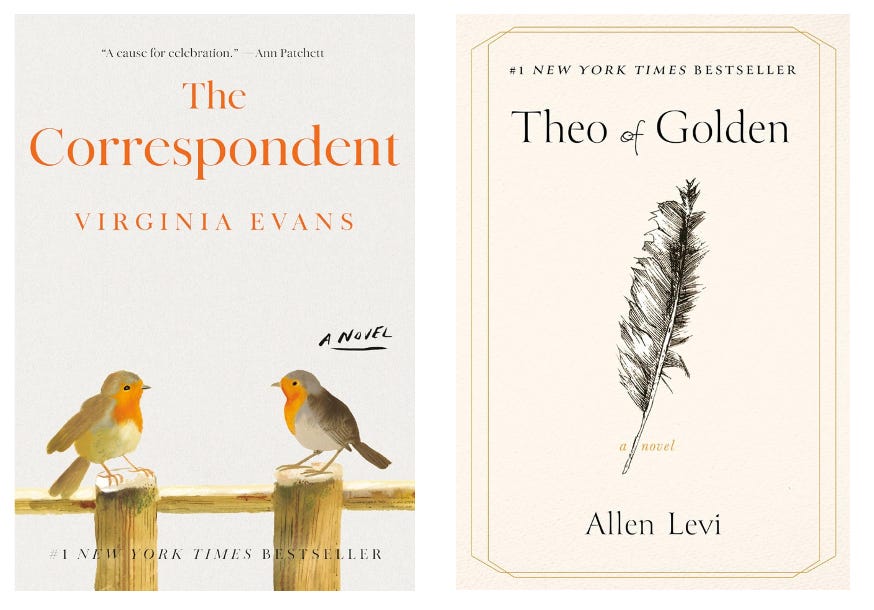
EK: I mean, honestly, I think you’re right. People want something that’s hopeful and this particular readership of book club fiction is growing up alongside their reading taste in the same way that we’ve seen the YA people grow into more genre, romantic, and crossover adult fiction.
The people that have been reading literary fiction want something that ages with them and takes them seriously.
FB: Yeah, and I haven’t read Theo of Golden yet, but I did read The Correspondent, and I liked it. It’s good. But yeah, I suspect that I will be inundated shortly. I give it about six months to a year.
EK: Heard.
FB: Which means that editors are already looking to buy that stuff, so it might not trickle down to me for a minute.
EK: It’s gonna come to you in two years when you’re really tired of it.
FB: <laughs> yeah.
EK: Well, I would love to hear what galleys you wanna brag about. What are the galleys on your to-read list, or the books that people might not know about yet and you’re excited to handsell when it’s out?
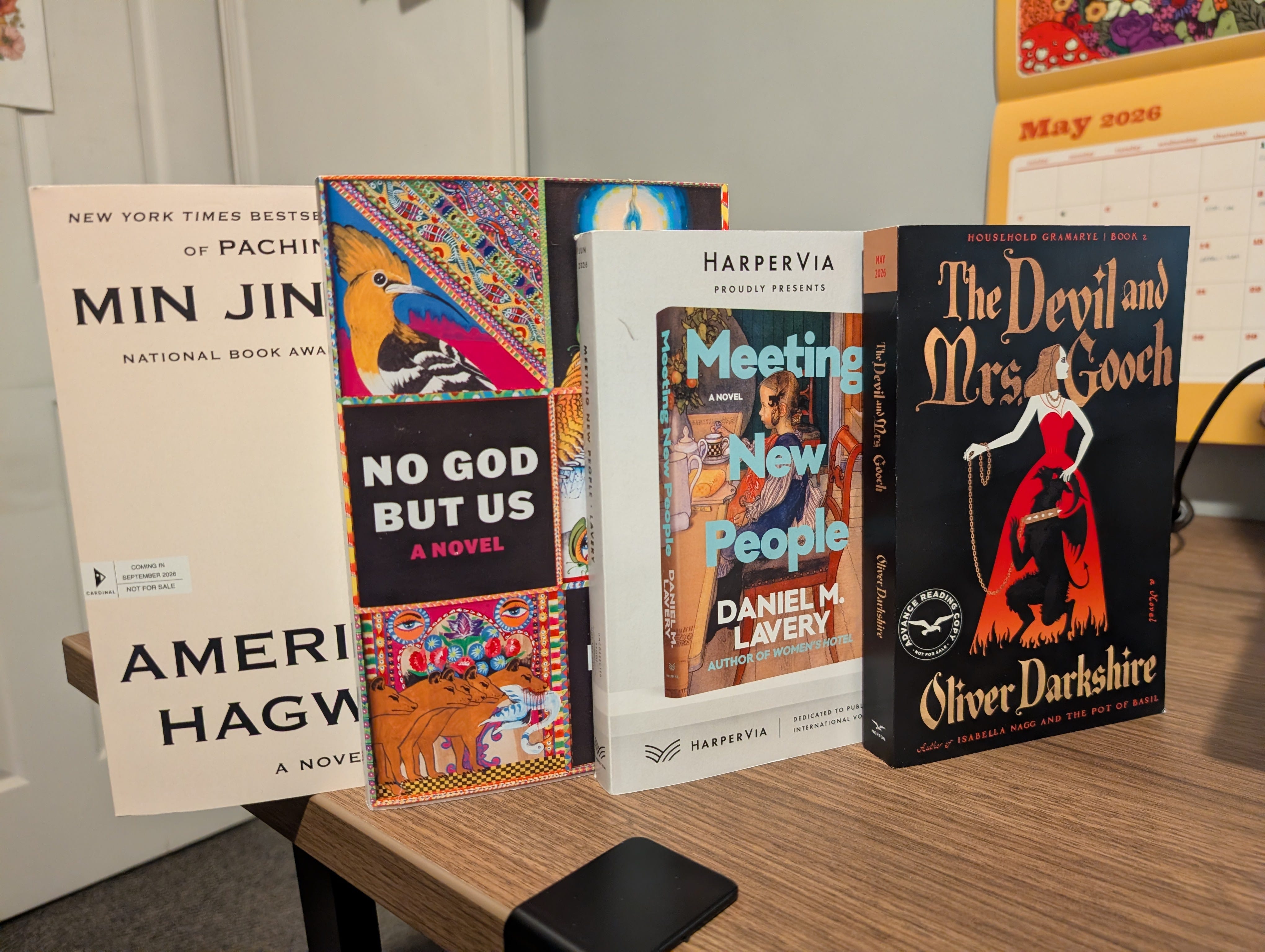
FB: Oh my gosh. I have four. I have the new Min Jin Lee, American Hagwon, which everybody already knows about. But I’m really excited about it. I have the one you sent me, No God but Us.
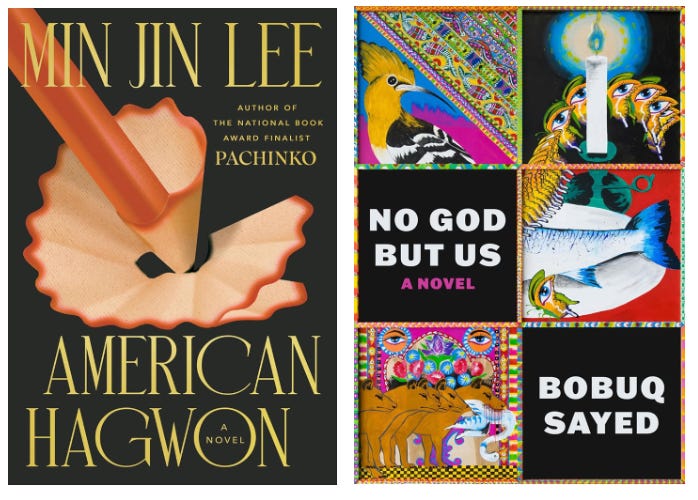
EK: Slay.
FB: I have read the first chapter of it, and I really liked it. I’m probably going to keep reading, which is kinda huge for me…
EK: Huge, huge, huge. Keep reading on!!
FB: I even have a bookseller that I’m gonna pass it along to when I’m done with it. They’re gonna love it. This book was made for them.
EK: I love to hear that.
FB: And then the other two are a bit under the radar and they’re coming out in May and June. One of them is The Devil and Mrs. Gooch by Oliver Darkshire.
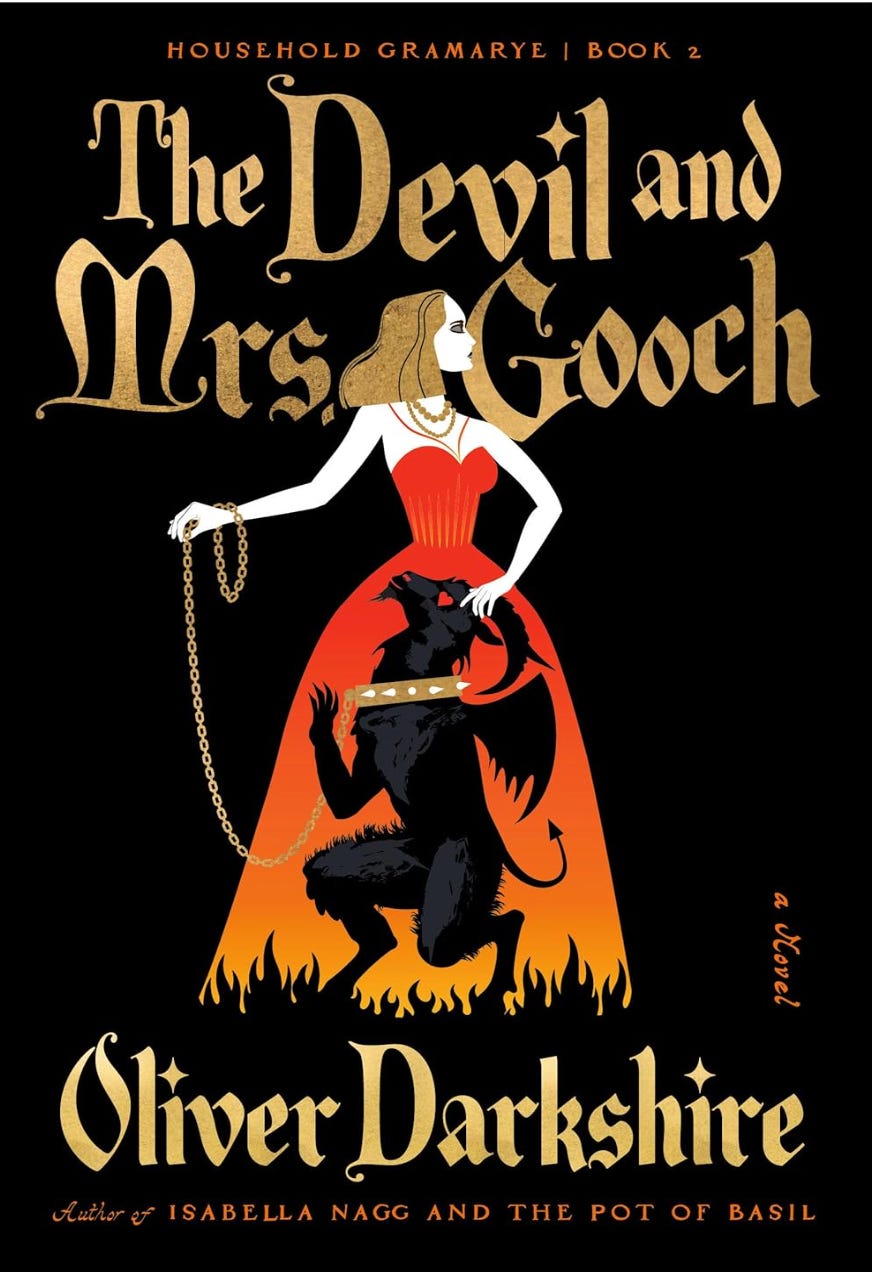
EK: Oh yes, I have a galley of that!
FB: Oh my gosh. Did you read his first book?
EK: I have not, but I had lunch with Tom Mayer—Oliver’s editor—and he had brought me a galley of it.
FB: Well, Oliver Darkshire is a queer British bookseller, and it hits all the things I like. I read his first novel, Isabella Nagg and the Pot of Basil, which was hilarious and funny—wacky in that British way. So I’m really looking forward to The Devil and Mrs. Gooch. The cover is so great.
EK: That’s a great cover.
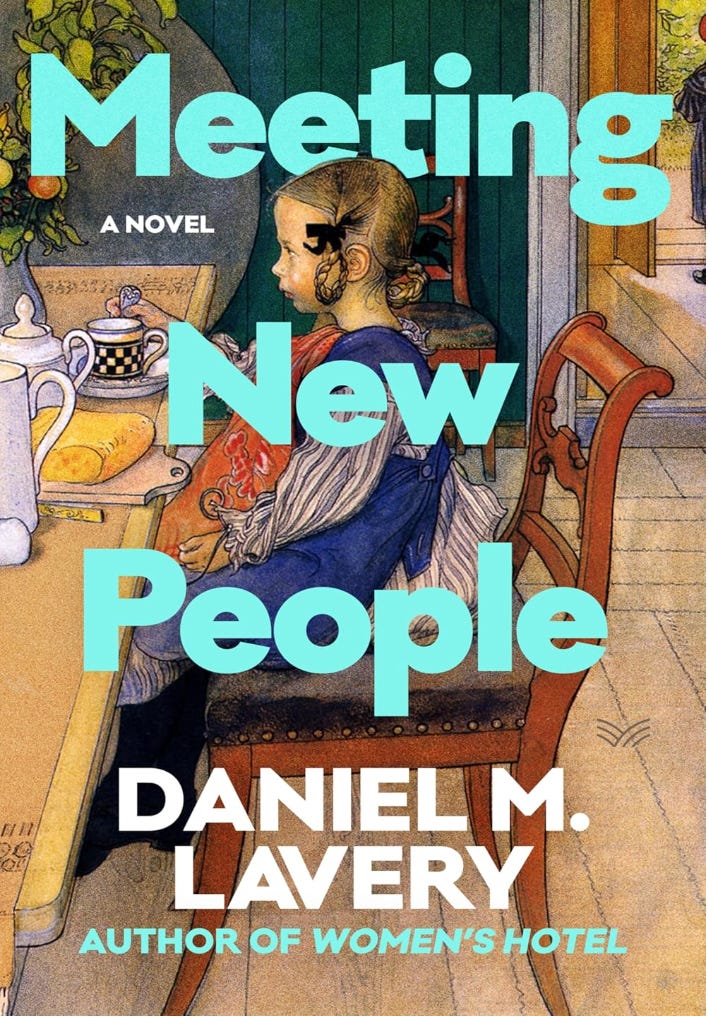
FB: My last one is a HarperCollins title, and it’s the new Daniel Lavery. I don’t know if you’ve read this yet, but it’s called Meeting New People. I think it’s gonna do really well, specifically because of the old-person lit explosion right now. But it’s so good.
EK: So funny. I’ll message the editor to say that it’s getting excitement because that will make him so happy.
FB: It’s so funny. He’s such a funny writer, and it’s got a fantastic voice. So, that one I’ve read already, and I want to push it on a lot of people.
EK: That’s exciting. Well, that’s gonna be an easy galley for me to steal, ‘cause I can just snatch it off someone’s desk in the office.
FB: Yeah, I actually commented on his announcement post about the book, and I said, I already read your galley, and I got really nervous when I realized I had a lot in common with your main character, who’s not supposed to be likeable.
I was like, Oh no. I, too, am a judgmental shrew!
EK: <laughs>
FB: …but I think that’s okay. <laughs>
EK: It is! Thank you so much for talking with me. This has been so fun.
FB: Yes! I know you need to go. But do you have any books to sell me besides the one you already sent me? Sell me the book that I should be looking for.
EK: Well, I do have a galley of Public Access Afterworld, the new Jane Schoenbrun book. I’m reading it now, and it is so good. It’s 600 pages, and I have been lugging it around on the subway, which says something, I think.
EK: Something I will sell you on that has not even been launched yet is a book in translation that I have coming out next summer. It’s called You Will Eat Flowers. It’s on the cusp of novella and novel, and I think will be good for indies.
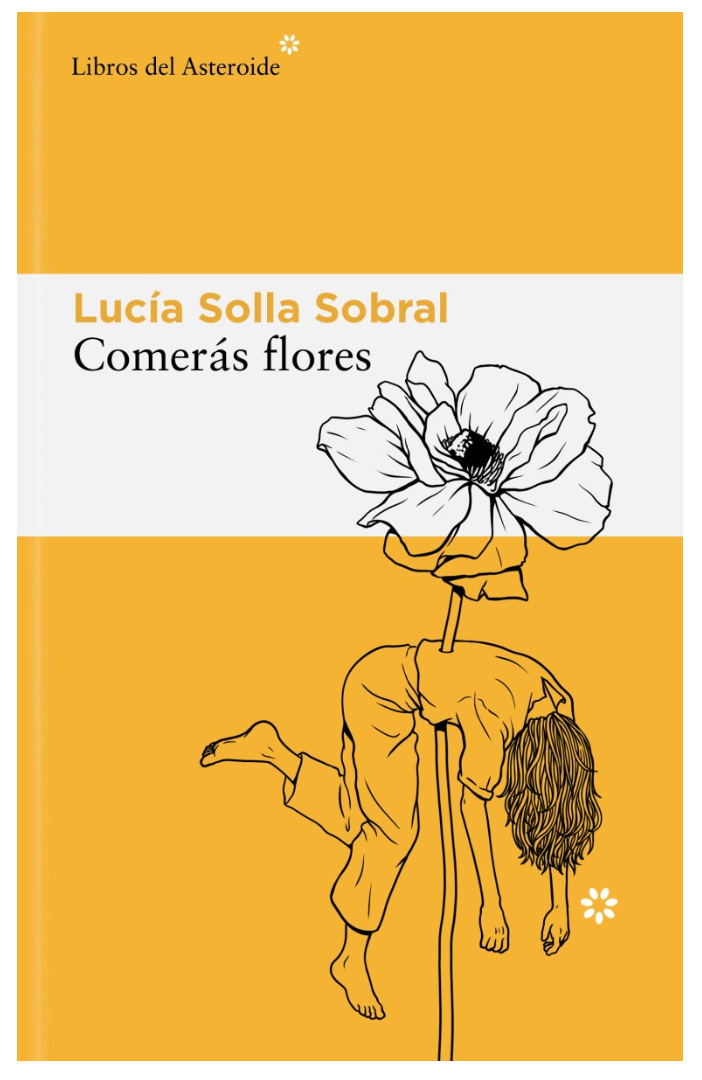
EK: It’s been this really interesting phenomenon. It was published in Spain by this small press, and I was tracking it a bit because an international scout tipped me off to it. It’s incredibly literary and interior—very sharp, very classic. It’s narrated by this young woman whose father just passed away. She’s swimming in grief and trying to figure out her life, and she ends up getting swept into this relationship with an older man. But it’s more than an age-gap relationship book. It’s much more about that soft, malleable period where any chance event could alter your sense of self and sweep you in a very different direction.
But it’s so crazy, ‘cause it came out in September in Spain and has sold over 200,000 copies there—
FB: Oh my gosh.
EK: —and it’s on its 24th printing. I think translation rights have sold in eighteen territories? It was number one in Spain over Freida McFadden—just crazy numbers. And it just had that word-of-mouth effect. And it’s probably coming out in June 2027. I probably shouldn’t publicly say who the translator is yet, but I can tell you that it’s [translator]. I’m really, really excited about it. And she’s really excited about the book, which is amazing to hear.
It’s gonna be a small trim paperback, and it’s gonna be short. I’m hoping it works in the indie market, but that won’t be in Edelweiss for probably a few months. The copy is still in the early stages at this point.
FB: That’s so exciting. I love to hear that. And exciting to know what [translator] is working on. You can tell her she has a superfan in Kentucky and it’s me.
EK: Well, obviously you are at the very top of the galley list.
FB: That sounds great. I’m looking forward to it.
EK: Okay, yay! Talk soon.
FB: Yes, talk soon! Bye.
Okay one last thing, which is that Bobuq Sayed’s No God but Us is officially out in the world (!!) and quite possibly coming to a city near u?! And if not you could + should still buy the book at your local indie and basically save publishing? ty & ilysm <3
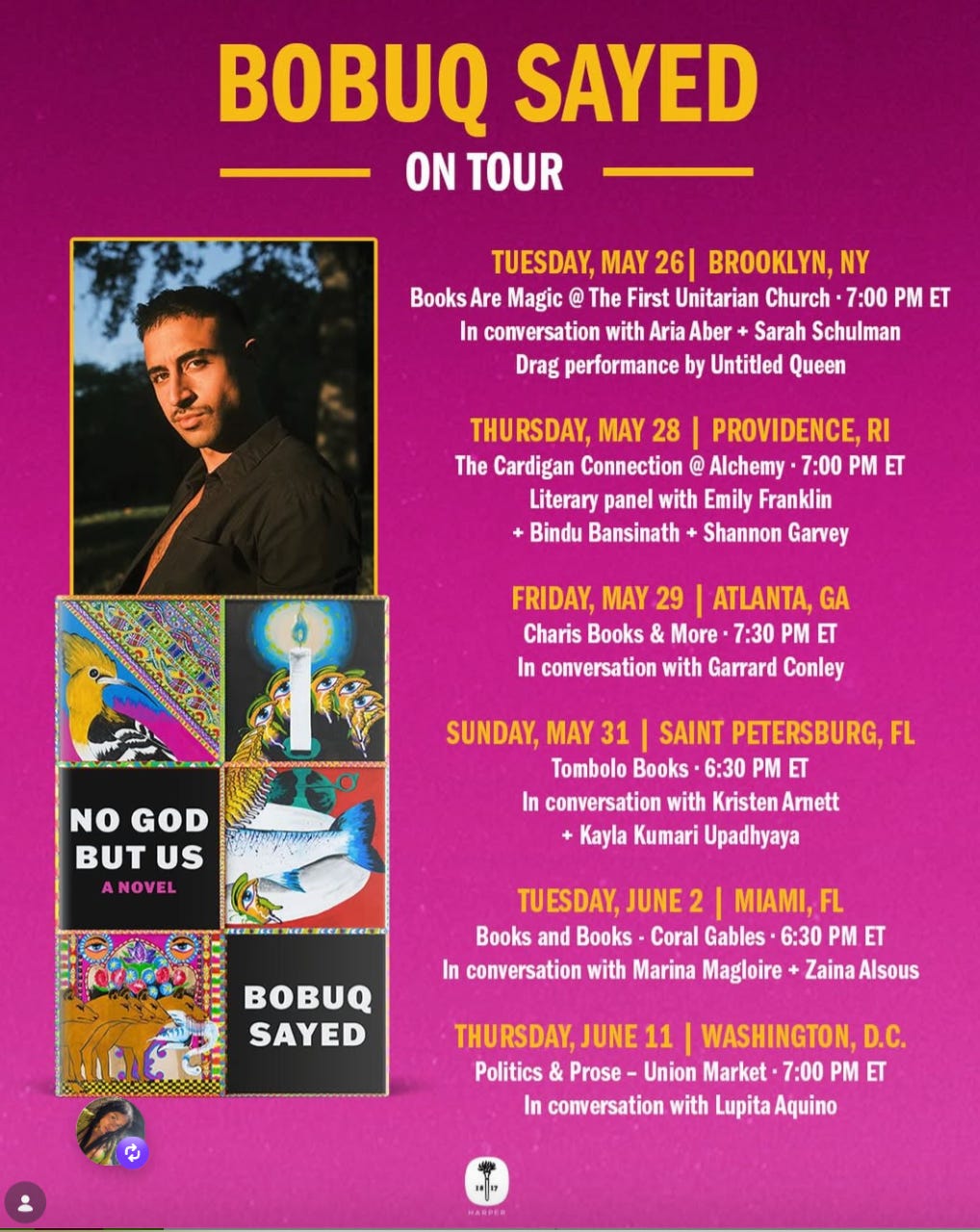
P.S. There is another BK event June 6th as part of Brooklyn Museum’s First Saturday and sooooo many more NYC events in fall to be announced tbhq…so do not fret if your summer is too full of other gay things <3