

Galley Brag #24
Author and critic Ilana Masad on the double-edged sword of understanding the publishing industry, writing novels into a hellscape, and the subversive messaging of Click, Clack, Moo: Cows That Type.

EK: Do you wanna start by introducing yourself and your many roles in the publishing ecosystem?
IM: Yes! So, I’m a writer; I’m a novelist, a fiction writer, and a book critic. I’ve also worked as a college professor—or instructor, rather, ‘cause I didn’t have my PhD at that time. And within the publishing ecosystem, I’ve also worked as a line editor, as a copyeditor. I used to be an agent’s assistant and in-house editor. I do freelance editing and freelance book coaching for people. And—
EK: You also had a podcast, right?
IM: I used to, yeah. I did for five years.
EK: So, you’ve kinda scratched the surface of every potential role one could have in the publishing ecosystem.
IM: Yep <laughs>. And it’s because none of those have contributed to my financial stability overall.
EK: Well, I know you were never an in-house critic, but obviously you’ve been doing this for a while now. I talked to Kristen Martin about this, but I’m always so curious about your perspective on the criticism landscape and how it’s changed. From my side, I see things shrinking and freelance taking over, but I have very little idea of what the actual machine looks like.
IM: I mean, the machine has also changed a lot, right? I started—I mean, my first published review was in 2013. That was just for a blog that was doing regular book criticism, but, you know, I got a book for free and that was so exciting back when I was in college.
And then, I was interning for Bookish, which was a literary startup—one of the many that existed in New York in 2014 and doesn’t anymore. And I dabbled in listicles, and then I did listicles for Bustle and was getting paid, like, $30 per listicle.
EK: Awesome.
IM: And then my first big review in what felt like a major publication was indeed of A Little Life.
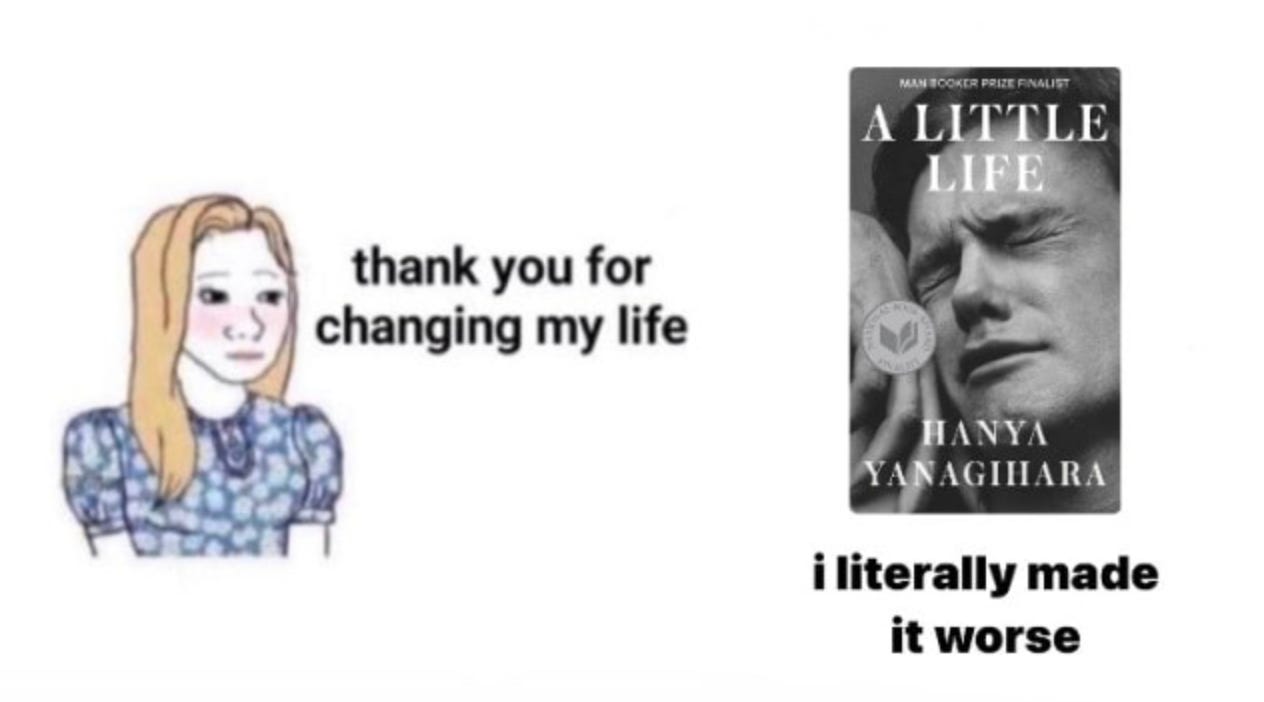
EK: <laughs> Wow, that is really such a gorgeous marker of time. It feels like a very specific era in publishing.
IM: And how much do you think I got paid to review a 750-page book?
EK: I would say $50…?
IM: $60. But you were close.
EK: I mean, I was obviously shooting low, but that’s insane.
IM: But it was twice what I was getting for the listicles, so…
EK: Is page count ever something that gets factored into the payment…?
IM: Nope.
EK: Because I would be like, I’m only reviewing novellas…
IM: Right. I mean, totally. And some critics kinda do that—I mean, you have to keep that in mind…
But yeah, I was always freelance. And I was very close to giving up on reviewing because I was so burned out from living in New York and working three jobs; I was freelance reviewing, working as the office manager at Paragraph—which was a workspace for writers that no longer exists—and working part-time for a literary agent.
So, yeah. The landscape has hella changed since then.
I was very close to not continuing my career as a book critic because I got into grad school and I was like, oh, I’ll go to grad school and I’ll write and I’ll breathe. I’ll only have two jobs: studying and teaching. And that was the summer that I got my first review in The New York Times. And so then I was like—well, fuck. I can’t stop now.
EK: Wait, so when you landed your first piece in The New York Times, was that something where you had built your public image as a critic enough where they reached out to you?
IM: I mean, I had reached out with some clips and what I was interested in, ‘cause they don’t take pitches. And then they reached out and asked me if I wanted to cover this book…
EK: What was the book?
IM: God, I think the first one I covered for them was The Boat Runner by Devin Murphy? Yes, I think that was the first one. And that was also the beginning of my lifelong beef with publicists who incorrectly sell novels.
EK: Interesting.
IM: This book implied that it was going to be about, you know, the boat runners—this resistance that was saving Jews and stuff. And most of it is about a young person becoming a Nazi soldier. And then the last fifty or sixty pages were like, oh yeah, and then I went and helped my uncle save some people. And I’m like, that’s a *very* different book than I was expecting.
If you shape my expectations as a reader via publicity materials and then the book doesn’t give me that, you’re fucking the writer over. Because then I start the reading experience annoyed because I went in expecting something according to the promise you gave me, and what I got was totally different.
EK: Obviously there’s so much that publishers are doing to shape expectations about a book outside of just the pitch letter—what the logline is, what the descriptive copy is, what the cover looks like, etc.—but, as a critic, do you ever try to cast aside what is being pitched to you and try to focus on the book outside of all that noise? Or is that kind of impossible?
IM: You can’t. Because the way that you learn about books is through the pitches or through their jacket copy, right? So, as a critic, I’m looking on NetGalley; I’m looking on Edelweiss; I’m looking at publishers’ catalogs, and if I get the galley and there’s an editorial letter at the front, I’ll read those. Those don’t tend to be as misleading.
But sometimes, I mean—the thing is, it’s all part of the bigger issue with publishing, right? Where publicists are assigned too many books. I suspect there are people using ChatGPT and shit at this point. I mean, I don’t know that for a fact….
I can see people doing it because they literally don’t have time to read all the books. And that’s just a bummer.
EK: I mean, I’m anti-AI for *so* many reasons, but one of my many publishing-specific gripes about it is that it’s already so hard to get books in front of people. With the amount of books that are published, it’s impossible to get anyone to pay attention, and what does get people’s attention are the kinds of inventive campaigns that go completely out the box to make someone fall in love with a book as it exists at its literal core.
EK: And ChatGPT is just a replication of what already exists. How does that serve us? So, we’re gonna publish books we don’t know anything about, fill out the same template for a campaign, and then when the book doesn’t do well, we’re going to put that responsibility on the author. Sometimes I’m like, can we just publish one book a year? I mean, I know that’s not the Big Five thing, but like—
IM: Definitely not the Big Five thing, but it’s a bummer. Of course we want there to be the capacity to publish more books because when there are fewer and fewer books published…
EK: …we know who are going to be the few to be published.
IM: Right. Then we’re gonna be going back to the age of like, the white cis straight man reigns supreme.
EK: Yeah, because we definitely left that era. <laughs>
IM: I know, but still—there are books being published now that you couldn’t even fathom being published fifty years ago. Like, I’m not saying everything is peachy keen…I mean, there are certain genres where more diversity is allowed. Although, I’ve been hearing that some editors are getting scared about publishing queer stuff, which is very freaky.
Anyway, we got so far from the question. I became a book critic because I was trying to get my fingers into the publishing industry in whatever way I could. My sense was like, well, I’m never gonna actually manage to publish a book, so I wanna be close to books.
Though, of course, because I’m an author, there was this part of my ego that was like, well, of course you’re gonna publish a book. You have to.
But I was trying to get as close to the industry as possible in whatever way I could. I wasn’t able to get a corporate Big Five job in part because I refused to take my piercings out. Because I’d get some interviews, and then I’d never hear back again.
EK: I feel like it’s always hard asking these questions about how XYZ landscape has changed because—even with our tangent about AI—like, publishing is obviously not insulated from the rest of the world. There are things in the world that have changed dramatically and there are things in publishing that have changed dramatically because of that—and then there are also the weird, idiosyncratic changes that feel totally random and unrelated. <laughs>
I know I sent you a question about the difference between your first and your second book publication, and I asked Emma Copley Eisenberg this, too. And it was interesting, because she was literally like, so many of the things that I learned about the first go-around don’t exist anymore, or at least not in the same form.
IM: Exactly.
EK: Everything changes so fast and everyone is constantly trying to adapt and just shooting into the dark over and over again. My reason behind doing these interviews is very selfish because I just want the answers to how to publish my books well. Because, as of now, it feels like publishing as a whole is just doing the same thing over and over again and then wondering why nothing is working. I feel like we’re working with tools and shooting for goals that don’t exist anymore. And we do need to publish more books because—as you said—unless you’re an indie with a strong POV, publishers decreasing their title count would only be a disservice to any non-cis, white, male authors.
Like, let’s just take a break and actually figure out what is working and what’s not and then adjust our strategy accordingly. But there’s not the money or time or resources to make that happen.
And then people have too many titles and feel overwhelmed and so they outsource it. And then no one’s having a good time.
IM: Right. Exactly. And the irony is that so many people who work in publishing—even on the corporate side—are there because they love books. But we all have to eat.
I mean, one of the tragedies of the @xoxopublishing account were the memes about publishing workers who went into the business loving reading and now hate it.
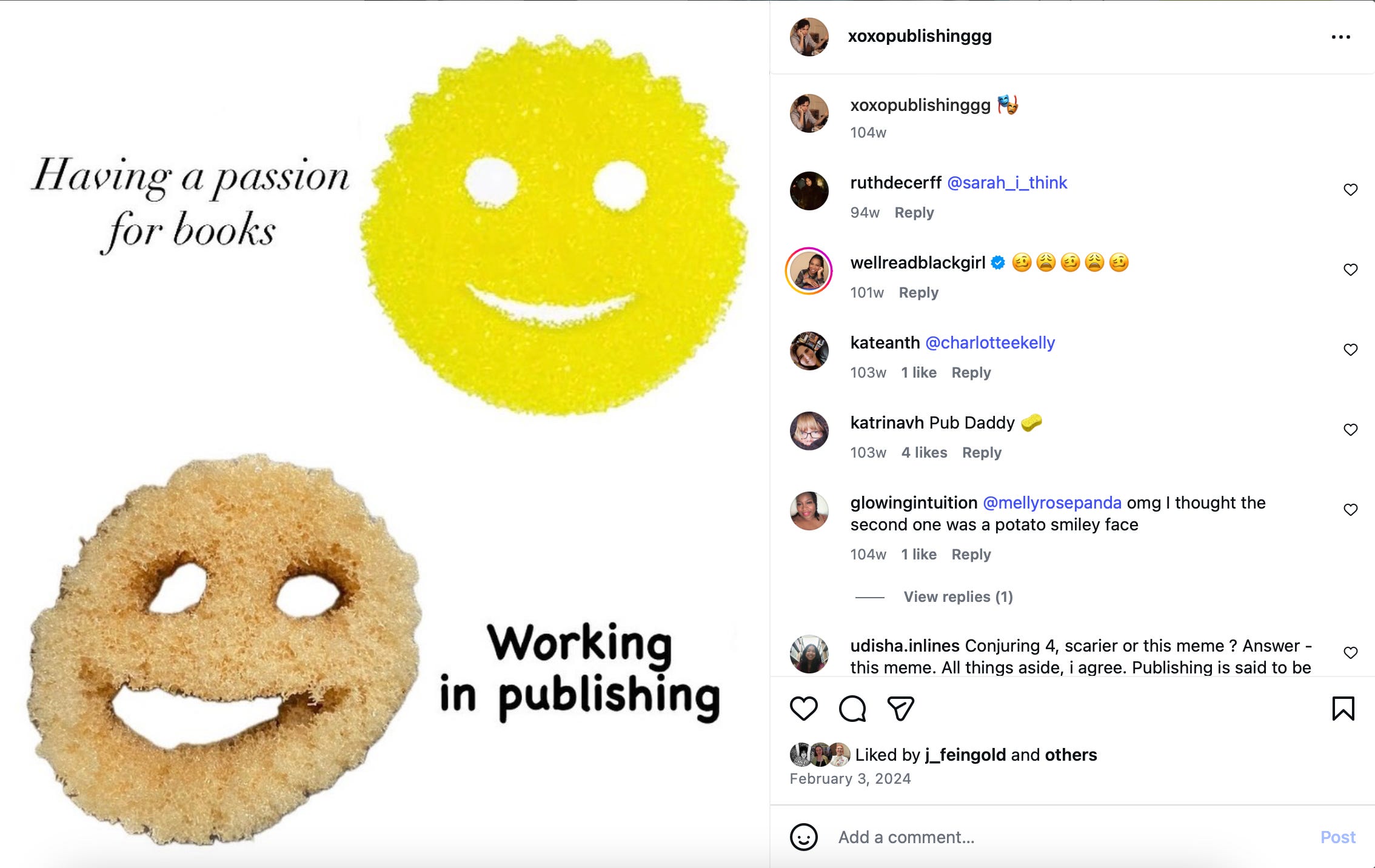
IM: Like, that’s just really fucking sad. You don’t get into this business unless you really, really love literature. And then something happens—which is, you know, capitalism—and it grinds you down. There’s only so much that you can do.
In terms of the media landscape, I used to dream of being a staff critic, but I don’t anymore because there are currently seven full-time staff book critics in the entire country.
EK: It’s so crazy. Do you feel like—even on the receiving end—the way that things are being pitched to you has changed? Or do you feel like things have reached a critical mass, and there are so few critics that you’re just getting everything?
IM: Well, do you wanna do a quick screen share?
EK: Yes, please.
IM: This is my critic inbox. This is the number of emails I have.
EK: Oh my god.
IM: Some of them are from, like, two years ago, to be fair.
EK: Oh my god. 8,000.
IM: Yeah <laughs>. Let’s filter to see how many since January 1st. Almost 200 emails.
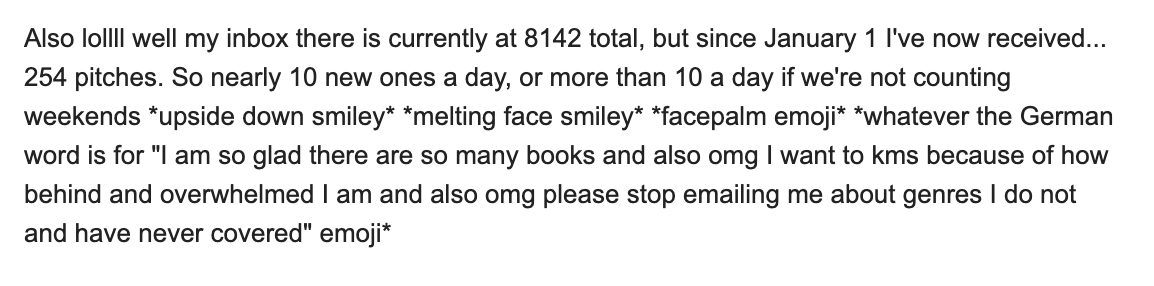
IM: No, sorry. Almost 150 new pitch emails since January 1st. Some of them are follow-ups.
EK: Wow.
IM: And a lot of them are things that are not good fits for me at all
So I’ve started, let me show you...I love when publicists send me a catalog and a checklist. It makes my life so much easier. They’re not pitching me with grandiose letters, and I can just tell them what I want.
I’ve also started putting in my signature what sorts of books I don’t cover and people very clearly ignore it. I still get YA, thrillers, detective novels, etc. It’s not that I don’t like these things, it’s just not the niche I have fallen into as a critic. And so, let’s see, for instance, I really don’t do anything in sports.
I got this amazing pitch for Ed Park’s An Oral History of Atlantis, which came out last year. It was so smart. And I told the publicist that it was one of the best emails I’d gotten in a long time. She wrote a couple other ones for that same book that were really good. She was clearly having fun with it.
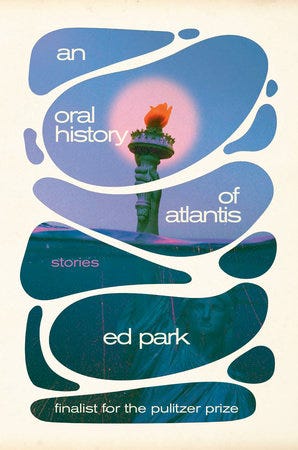
EK: Okay, I am obsessed with this woman.
IM: It’s Marni Folkman—if you ever wanna interview her.
EK: I love seeing things like this because—not to sound like a Boomer—but it’s just pure, old-fashioned creativity. It’s not someone spending thousands of dollars on custom mailers to get someone’s attention, it’s literally just someone who loves the book and can capture its essence to its core. I feel like publishers will be like, oh, we don’t know how to talk to influencers. We don’t know how to pitch people. And it’s like, you literally just have to think about what would catch your eye and do the basic research on someone to know what they like and don’t like.
Like, I don’t know if you know Nina Haines, she runs Sapph-Lit…? She’s very pro-Palestine, and someone had pitched her an invite to an influencer / book event for a book called The Genius of Israel, and she shared her email back to them on her Stories and was like, you actually could have just looked at my Instagram for five seconds and seen that this is absolutely not something I would ever attend or condone.
And I know that not everyone has the bandwidth to personally research and pitch everyone, but I just think—similarly to when you get YA or hard-boiled detective pitches—when things like this happen, you just stop being able to trust whomever is pitching you.
And also it’s like, we’re all just people. Everyone needs to take a beat and think about how real human beings talk to each other.
And a lot of times it’s not a bunch of book merch hats. It’s a note that’s like, I know you love this thing, and because of that I think you will love this other thing.
IM: Exactly. And that’s why most of the publicists that I end up responding to are people who have been in the business for a long time and I have a working relationship with, because they know my taste and what is correct to pitch me. And, again, obviously not every publicist has the time or space—or is given the time or space—to do that.
It’s all so precarious. I mean, and then there’s the other thing of course, which I feel like you and Kristen talked about—the fact that there’s this attitude of well, reviews don’t sell books. And if reviews don’t sell books, then what’s the point of criticism?
Well, first of all—correct me if I’m wrong—but we literally do not know what sells books, outside of we spent a lot of money on this book and we need to spend more money to sell this book. And that also doesn’t always work. I mean, there are obviously the huge book clubs, right?
EK: But even they don’t always sell books anymore. Sometimes I’ll look up the sales for some of the books that have been chosen for book clubs, and they’re often super underwhelming. I talked to an agent about this a while ago—about what sells books—and she was like, it used to be like, if you’re on the Today Show, if you get a book club pick, if you get a rave review in the New York Times, or if you get a post from a celebrity, then you’re golden.
And now it’s like, actually the only way to sell a book is to get literally everything and have it all happen at the same time. Because what sells books is actually not one person posting it or this person reading it and reviewing it in a critical way, it’s about reaching a point of cultural saturation.
If you look at the All Fours of it all, the reason it kept selling is because people kept talking about it. You can tell when a book isn’t actually very good when there’s a huge, all-stops publicity and marketing tour, but then the book just disappears into the ether. And it’s like—ok, all the people who were gifted or bought the book never talked to a friend about it, and then the buck stops there. But it’s like—
IM: Well, and that’s the thing, isn’t it? Ultimately what sells books is still very old-fashioned: it’s human-to-human word-of-mouth, right? Which is not trackable. And when people say, well, book reviews don’t sell books. I’m like, well, how the fuck do you know because–
EK: And also like, then why are we spending all this time and energy pitching reviews? If it really is that meaningless…?
IM: Exactly. You also don’t know how many years down the line a review is going to impact someone. Like, if someone is in a bookstore and they Google the book and a review pops up from a few years ago…like, there are things you just cannot track about the longtail of a book.
EK: Exactly. And you can only really see the word-of-mouth effect if it’s totally isolated. Like, CJ Alberts was talking about how—when she started out making YouTube videos—she would hand sell The Deeper the Water, the Uglier the Fish by Katya Apekina, which was published by a small press in 2018. So, when the press saw a huge spike in sales out of nowhere, they could pinpoint the reason why. But, you just hope that all these things are happening that you can’t see.
But—it’s like you were saying—at the end of the day, it just comes down to whether or not the book is really good or not. And I am not saying that publishing is a meritocracy, because it definitely is not. There are so many incredible books that do not get the attention they deserve, and there are so many bad books that do get a ton of attention and sell a lot.
But it’s like, you can lead a horse to water, but you can’t make ‘em drink, or whatever. You can pull out all the stops, but if the read isn’t there, it isn’t there. Like, if you lead a bunch of people to dust, people are gonna be pissed at you. You know?
And I think that goes into the thing we were talking about re: expectations versus reality for a book and how things are packaged. I’m sure you’ve had really interesting conversations with students and stuff about this, but I have a friend who left publishing and is now teaching at Stony Brook, and I went to one of her publishing classes to do a Q&A. One of the things that a student asked was like, if this genre doesn’t sell, but this one does, should you just pretend it’s this other thing? And it’s like, you can be smart and strategic in your positioning, but—at the end of the day—if you misrepresent the book to be something it’s not, you are only going to isolate readers.
I was also just doing a Zoom panel for the McCormack Writing Center (formerly Tin House) and someone asked a question about quiet books and how they don’t sell and all this stuff. And it was really interesting because me and the other editors were like, okay, well no one who falls passionately in love with a book is going to be like, “It’s so quiet. I love it!” Like, it’s such a derogatory term. I mean, now I’m going so off….
IM: No, but that’s true.
EK: But what really works is when you don’t hide the fact that a book has a strong point of view and is different and is actually very niche. If you try to pretend that this is a book for everyone and smooth out all the edges and try to sell it as a book for everyone, then you’re selling a book for no one.
Katy Nishimoto was on the panel—she’s super smart—and she was like, what actually works is when you publish a niche book and you’re like, “this is for emo gays who grew up in the early 2000s.” Because then those people will buy the book because it’s being sold to them directly, and then there’s going to be a ripple effect that’ll keep moving further and further out as people read and recommend it to others. Versus being like, this is a book for everyone, and then it’s like, okay, well what are you supposed to do with that?
IM: I’m in that weird position of also being an author, and so I really have no idea if my new book is doing well or not. I know how much Amazon has told me that it’s sold, but Bookscan is unreliable and doesn’t count digital audio or ebook, etc. Like, I have no idea because the landscape has changed so much.
EK: I mean, obviously we are not huge fans of The New York Times, but you got a great New York Times review…
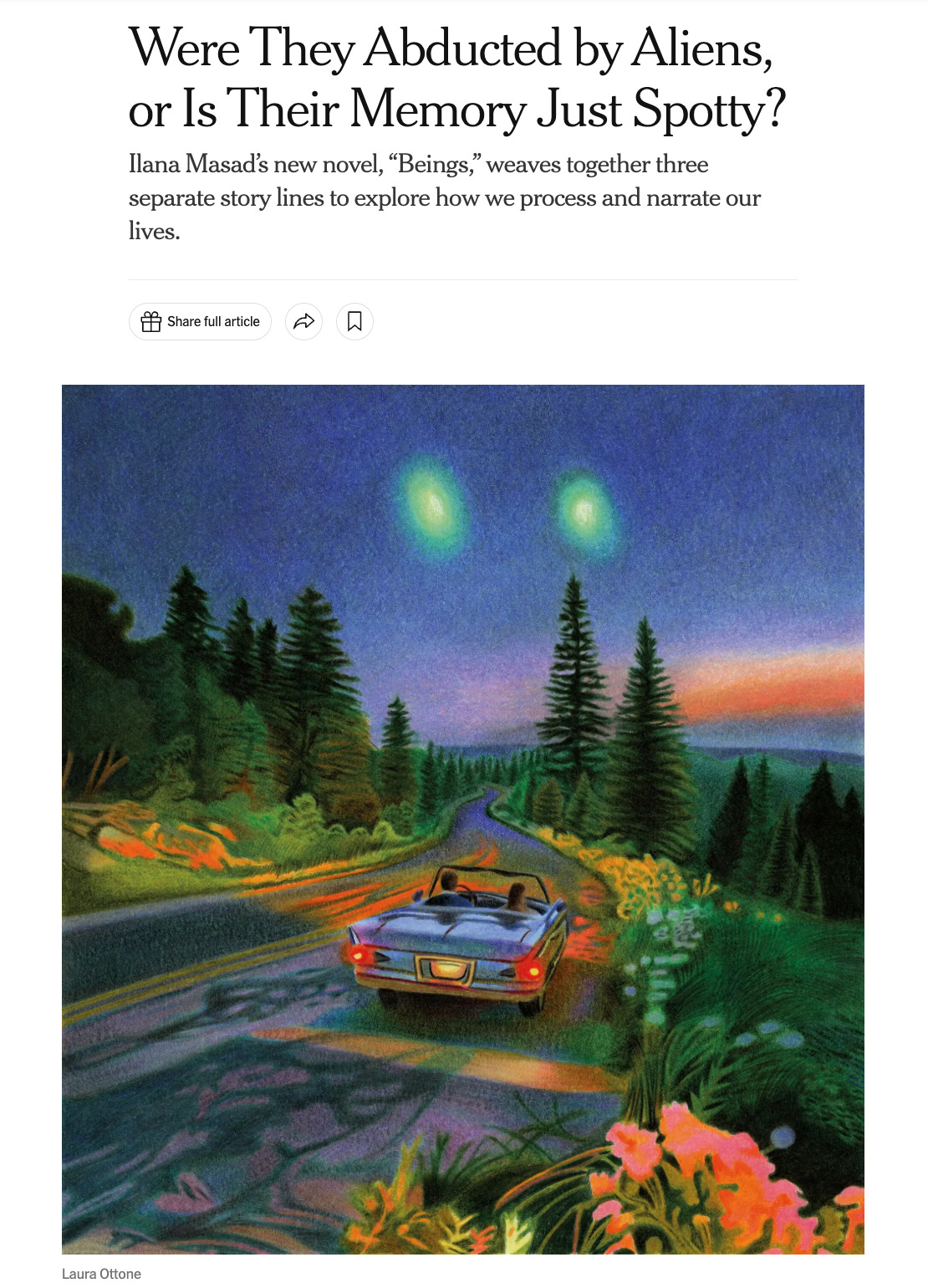
IM: I did, with a very funny, small dig about it being too woke…
EK: That’s insane.
IM: I know, it’s funny. It’s fine. It got a very good New York Times review but also zero attention on social media, you know? Like, I was thinking that the pins and stuff would be very BookTok-y. But like, nothing on TikTok. There were a couple of Bookstagrammers that got really into it and that was wonderful.
I mean, when I talked to my agent about my next book, I was just like, I want it to do well, because I’m very tired. I’m continuing to work a bajillion gigs.
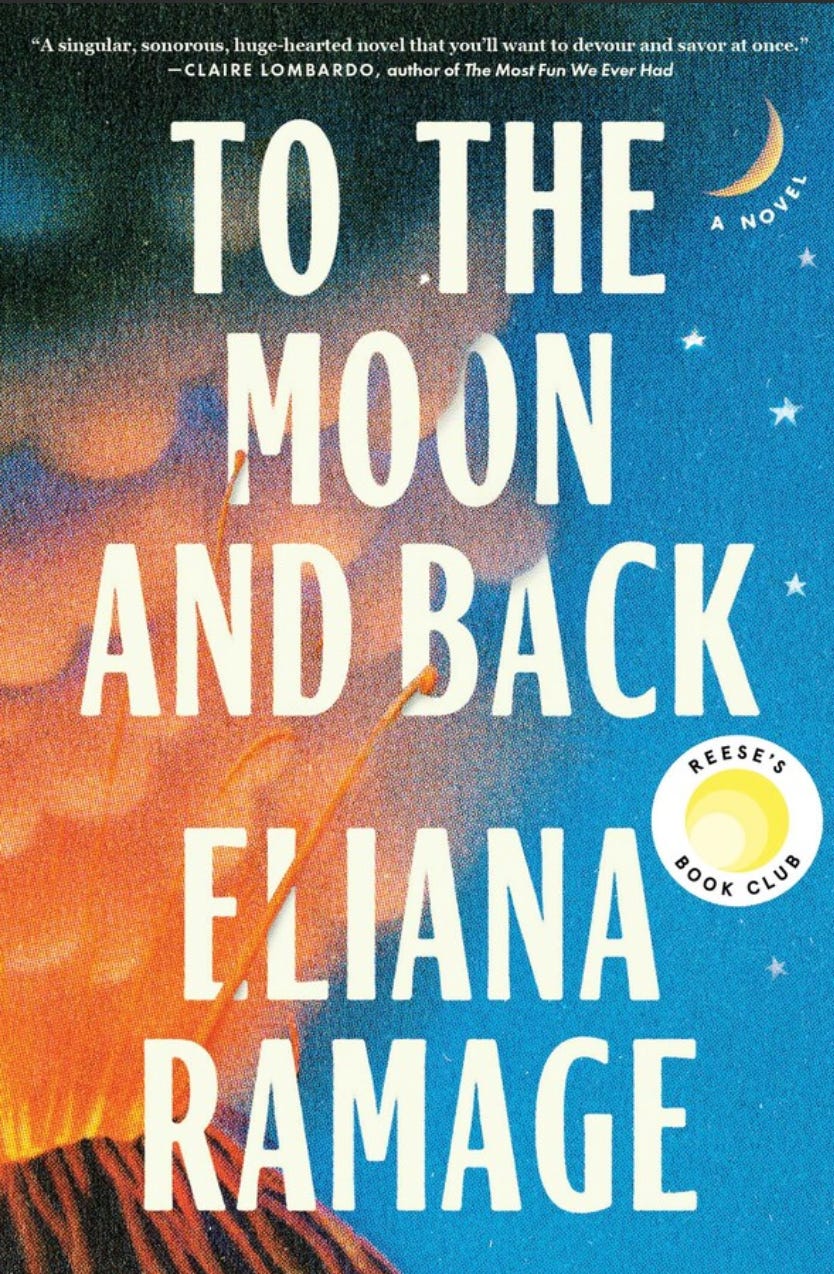
And he was like, well, unfortunately, things need to be really high concept and also need to have one-sentence pitches. Like, that is all people have the attention span for now. Like my friend Eliana Ramage’s book, To The Moon and Back had a great pitch: “First Cherokee girl goes to space.” The School for Good Mothers was like, “bad mothers get sent to reeducation camp.”
IM: Very pithy one-liners. Whereas my book didn’t have that. It’s the story of the first alien abductees, but it’s also the story of a sci-fi author and the story of a contemporary archivist. It’s all of those things, and they’re not one-liners.
EK: Well, I’m curious because writers are not always writing in one genre throughout their life. I feel like I read in one interview that you had started writing YA fantasy in college—I mean, I’m sure at that time you were writing a lot of different things. And your first book was probably easier to sum up in one line and was probably “more commercial.”
I went to book launch event with a colleague, and the author had talked about writing really high concept sci-fi and fantasy for a while, but it just wasn’t selling. So then she was like, what if I just did a rom-com? And then they read a bunch of rom-coms and really enjoyed writing them. I don’t know if it’s a good or a bad thing when authors have to think like, what project do I care about the most, but also what project is going to be best received right now?
And, as a trans editor, people have asked me a lot, like, is my window closing if I’m trying to do a queer / trans book? And I’m like, the real answer is that the window closed a long time ago. If we’re thinking about the actual bureaucratic window. But I still feel very strongly that there’s no point rushing something to be “in a window” if it’s not gonna be the best version of the book. And if it’s like the best version of the book, it’s going to stand the test of time outside of any window/bubble, unless somehow a huge book with the exact same title and concept comes out a week before…
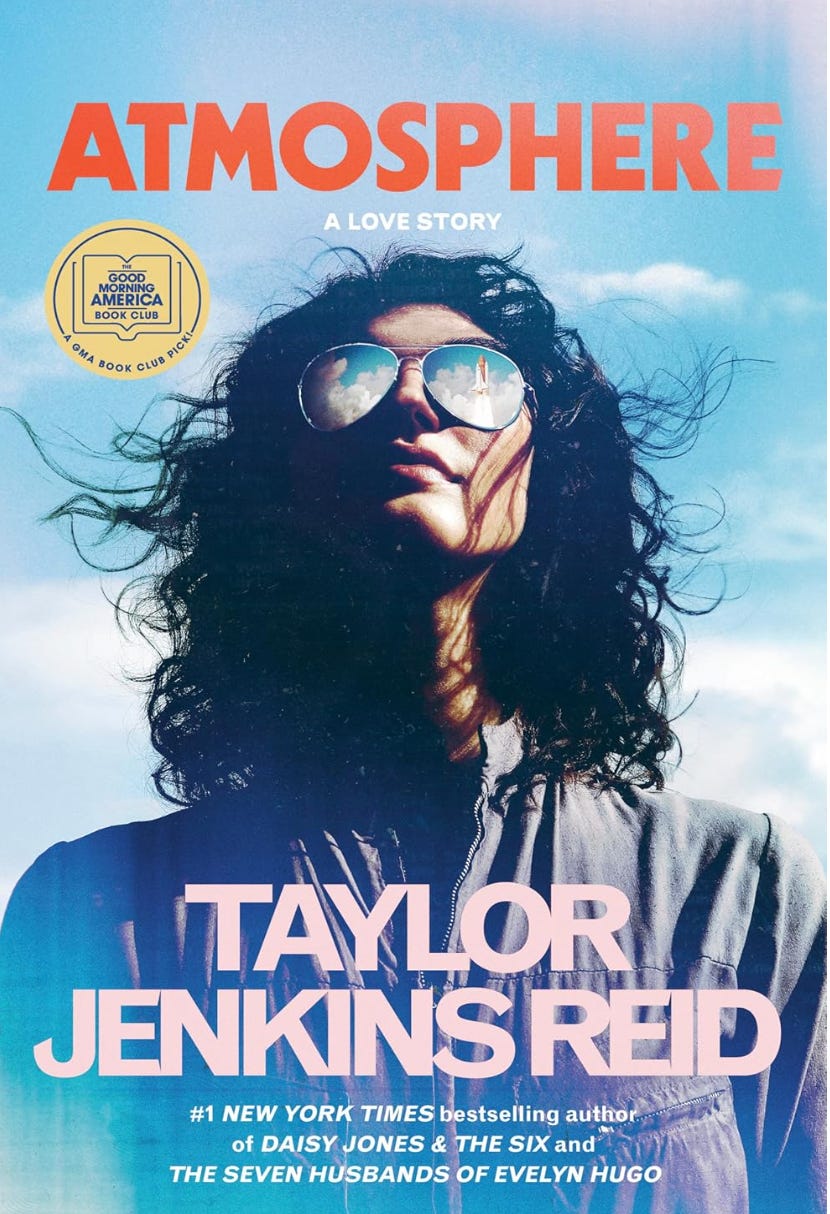
IM: Yeah, it’s all very complicated. I think you can’t write to trends because trends are organic. Like, Taylor Jenkins Reid and Eliana Ramage both had lesbian astronaut books coming out around the same time. And that wasn’t deliberate. No one told them, oh, lesbian astronauts are gonna be a big thing in the month of May.
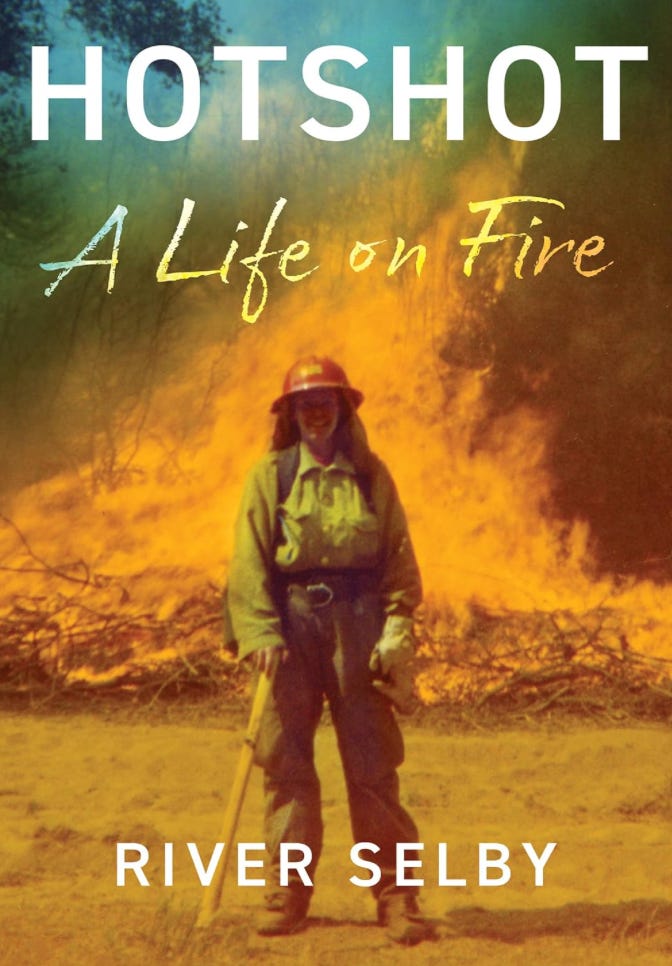
IM: Or like, weirdly, there were two memoirs by hotshot firefighters that came out around the same time, and one of them is by a queer non-binary person and the other one is not…and guess which one is doing better. I mean, trends happen. It’s sort of the same way where suddenly you’ll see that there are four movies about cannibalism, and you’re like, who decided Cannibalism was in? And it’s like no one, no one decided the culture. What does David Lynch call it? The “unified field” decided and inspired people at the same time.

IM: I wouldn’t say that it was necessarily strategic or deliberate, because I had pitched the agent I have now with two other books before landing this, and I had sent out three other books before landing the agent. And I had written seven other books before. So, I had tried to send out my more experimental stuff and my more literary stuff, and it got me a lot of complimentary emails. Especially because, by then, I knew people in the industry.
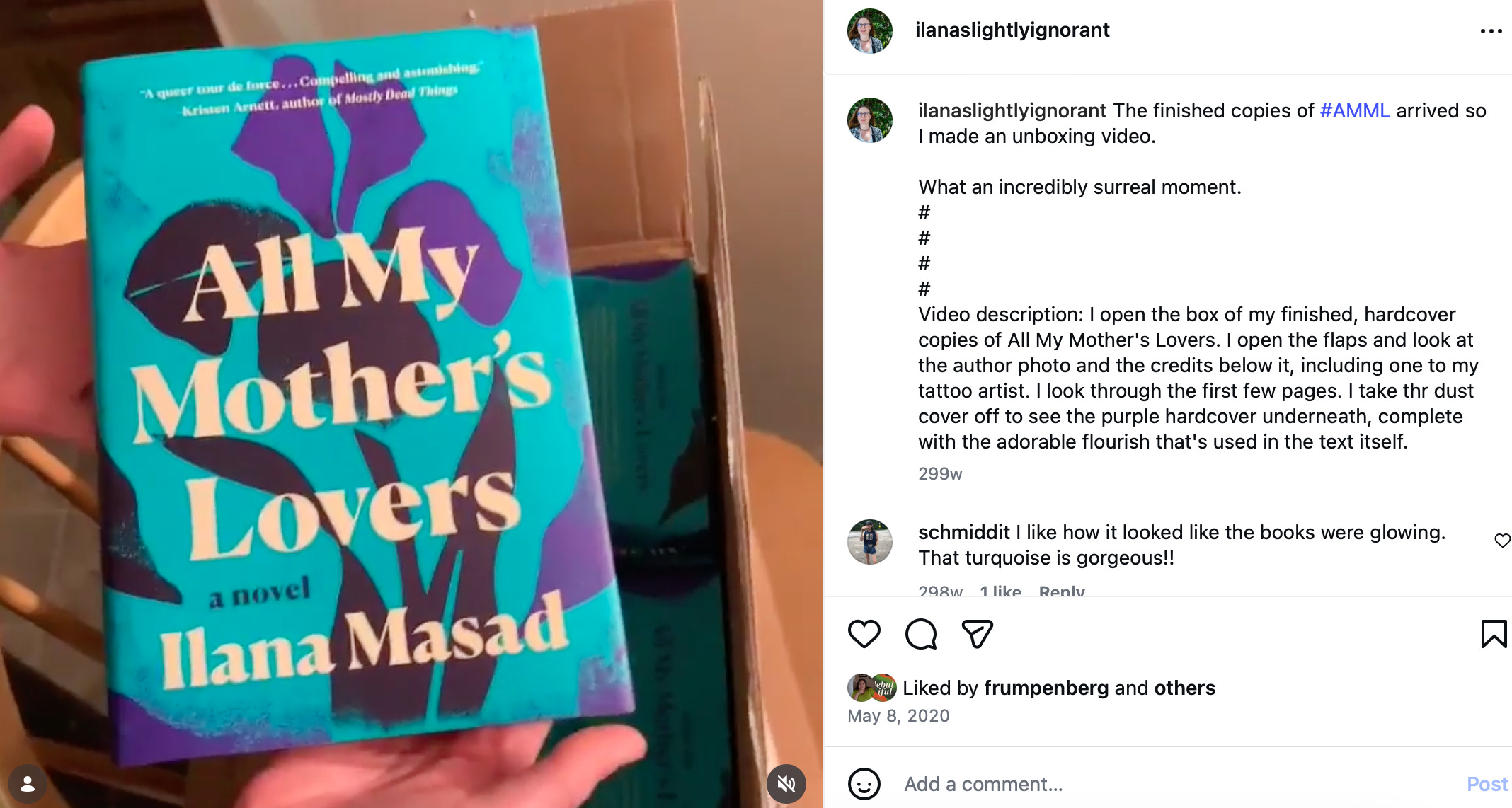
I had interned at Writers House and met a bunch of people, and then I worked for an agent who could introduce me to people, and that whole time I was corresponding with editors and shit. But when I got the idea for All My Mother’s Lovers, it wasn’t because I was like, oh, I’m going to write something more commercial. I just had the idea and started writing it and realized it was a road trip story. And I was like, oh, this is the one that’s gonna sell.
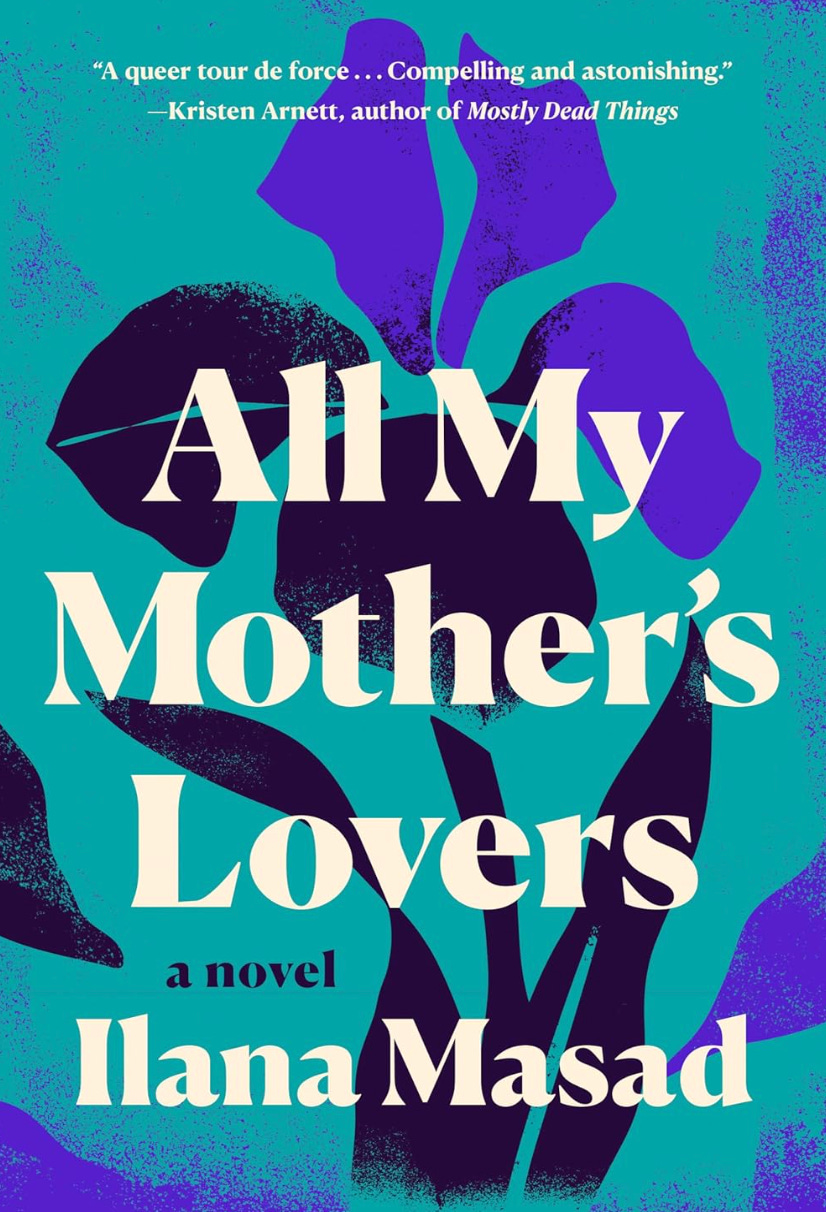
IM: That was just my sense as I was writing it. It was also, by happenstance, the most plotty book I’ve ever written. And it’s also literary; and it’s also queer. I just had this feeling, and I have a good friend who’s an agent, and when I told her the idea, she was like, Ilana, this is the one.
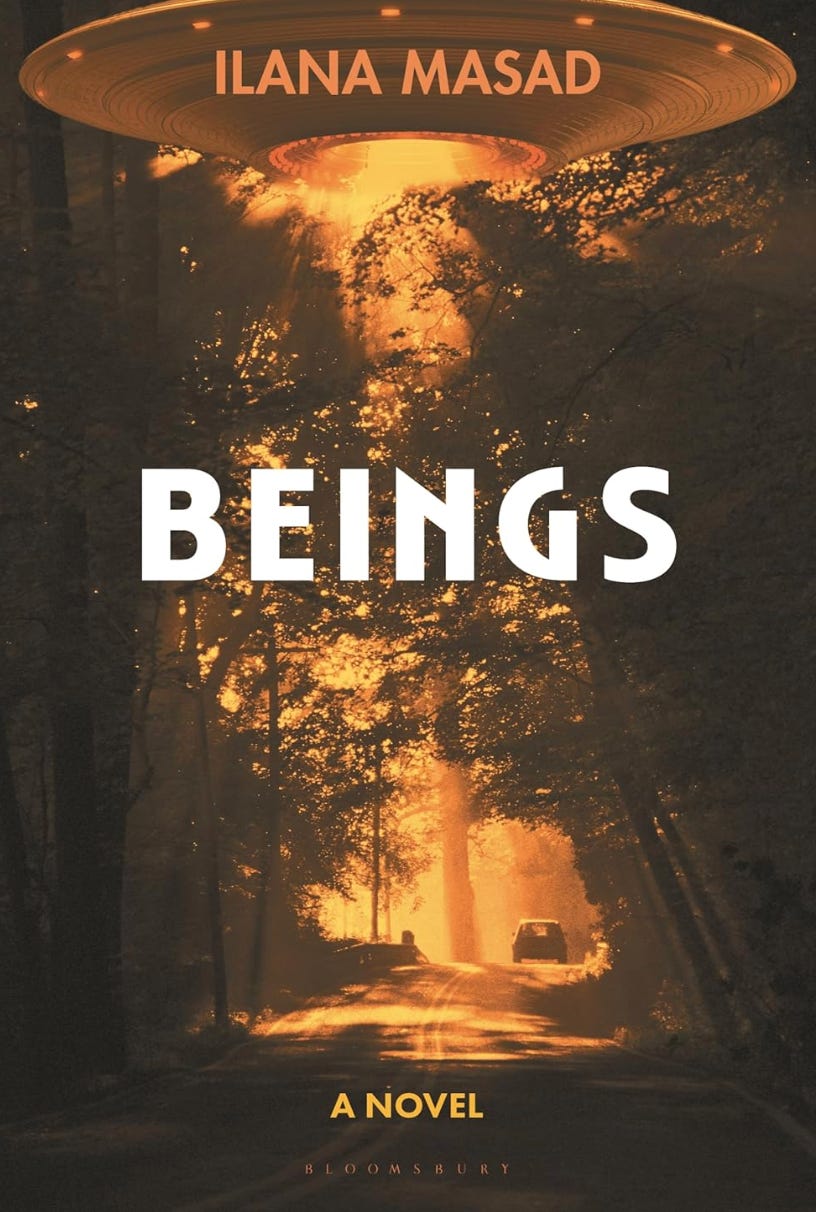
And she was right. And I mean, I didn’t intend to take longer with Beings. It was just a hard fucking book to write, and then it was a hard book to sell. But Mo really got the book and what I was trying to do.
IM: Publishers and editors and publicity and marketing people, they don’t tell you where you are in the pack because they’re not supposed to. But if you are someone who understands how the sausage gets made… That’s part of the double-edged sword of knowing the industry. And that’s really hard.
EK: I had read in some interview that, when you’re reading criticism of your work, you’re both assessing it from the angle of what does this critic think about my book? And also how good is this review as a work of criticism in itself? And I’m sure, as a writer and as a critic, it’s impossible to create distance between considering pitches that are being sent to you and looking at pitches for your own book.
Do you feel like it’s hard to not take ownership of the publicity process because you know so much about how it works, or do you force yourself to remove yourself from that process?
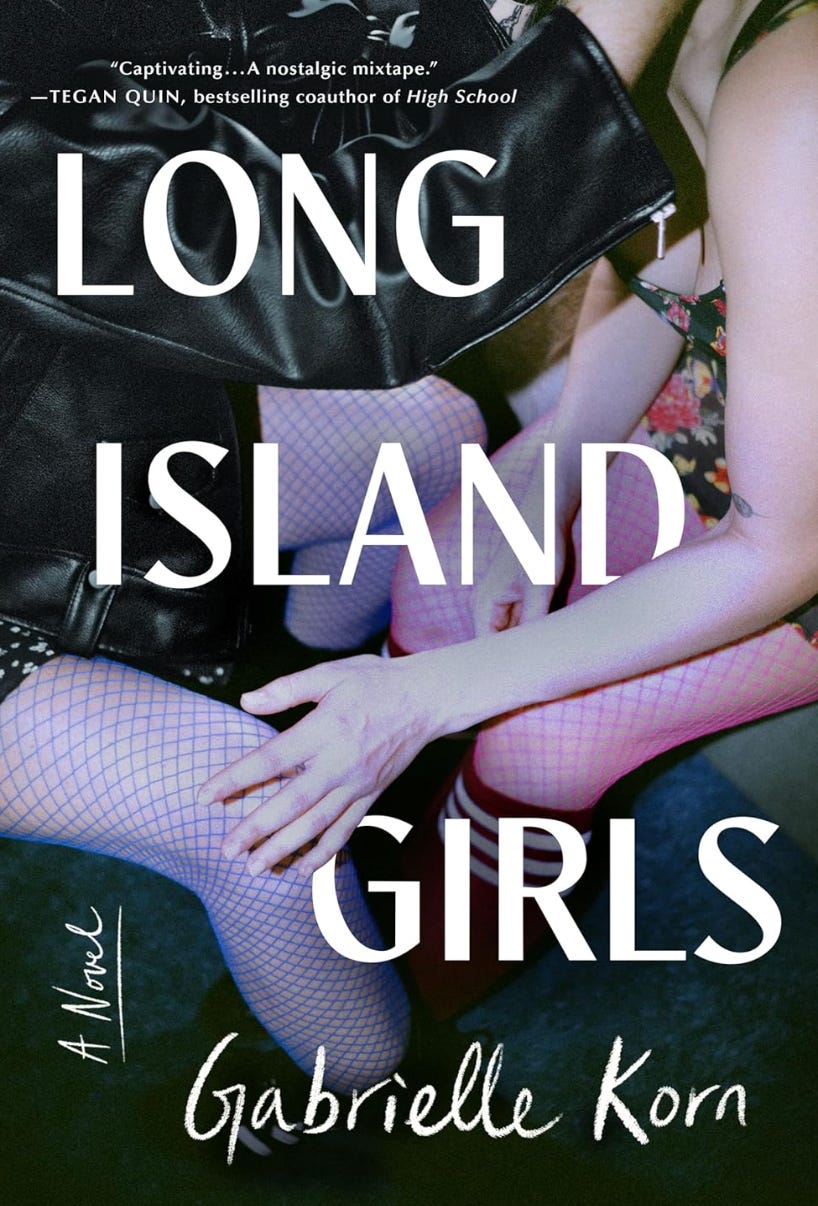
IM: I have to keep some distance. And that is partly why I hired outside publicists. It’s such a difficult landscape, and I just wanted the assurance that there was someone who was trying really hard on my behalf, but I did need to take a step back. I have no idea how my book was pitched, and I didn’t ask, because I knew that it would potentially drive me insane. And like, I was already doing the most that I could with promo; I did so much fucking Instagramming. Gabrielle Korn helped me be strategic about social media; she does that professionally.
EK: Which is great, and we love her.
IM: Oh, I mean I adore her. She’s a great friend.
IM: I also think that critics and influencers don’t wanna hear from the author. They wanna hear from the publicist, they wanna hear from the publisher, you know?
EK: Do you think that’s true? I’m so split on it.
IM: Well, Emma has told me that—from her research—influencers used to like hearing from authors directly, but now that they’ve become more a part of the literary ecosystem, they’re like, no, I wanna hear from the publicist. I wanna be taken seriously.
EK: It’s so interesting, and I’ve talked to a lot of people about this because I think the personal—or parasocial—relationship between author and reader is so important. But I’ve talked to a lot of people who prefer an intermediary—I mean, that’s part of the reason why agents pitch books and not authors themselves. There’s a level of emotional remove, and—because of that—a level of honesty that wouldn’t be able to exist if everything was one-to-one.
And I think, again, that the social media landscape between 2020 and 2025 has changed so much. Like, I feel like 2020 BookTok was sort of a Wild West, free-for-all where people were posting because they were bored or looking for community, and now a lot of those people have become professionals who now have formal pitch instructions and teams. It’s just totally different.
IM: Well, and I mean, my first book came out May 26th, 2020: the day before the country erupted into massive protests. I canceled a lot of my events because I wanted to be out in the streets with my community. It felt very dumb to be promoting a little book, you know? I did what I could, but I also had these very real moral quandaries. Plus, again, this was the very early days of COVID...
When schools shut down in March, I had friends that were like, oh, don’t worry. By May, you’ll be able to come and do your Strand event. And I was like, that’s cute that you think that.
There’s just so many contributing factors. If you debuted in 2020, you just have to live with the fact that it is what it is.
EK: It’s wild because, obviously, you can look at books published in 2020 and be like, cool, we all have a collective context of this. But it also feels like culture has been moving at such a rapid clip that you actually don’t know whether the government is going to admit that aliens are real on your pub day and catapult your book to success, or if WWIII is going to start and people are going to start burning books for fuel.
It’s a real fucking gamble, in a way that is both exciting and incredibly nerve-racking. No one has ever been able to predict the future—especially not in publishing—but it feels insane to think about publishing something in two-to-three years. What is the world going to look like then? You kinda just have to do the best you can and cross your fingers.
IM: But that’s part of why I think knowing how the sausage gets made is both maddening and very helpful. It’s nice to know how much of a gamble it is, and it’s also frustrating because we know there are some things that help, like putting more money behind a book. Not always, but often.
EK: Yeah.
IM: You always want to have more money put behind your book.
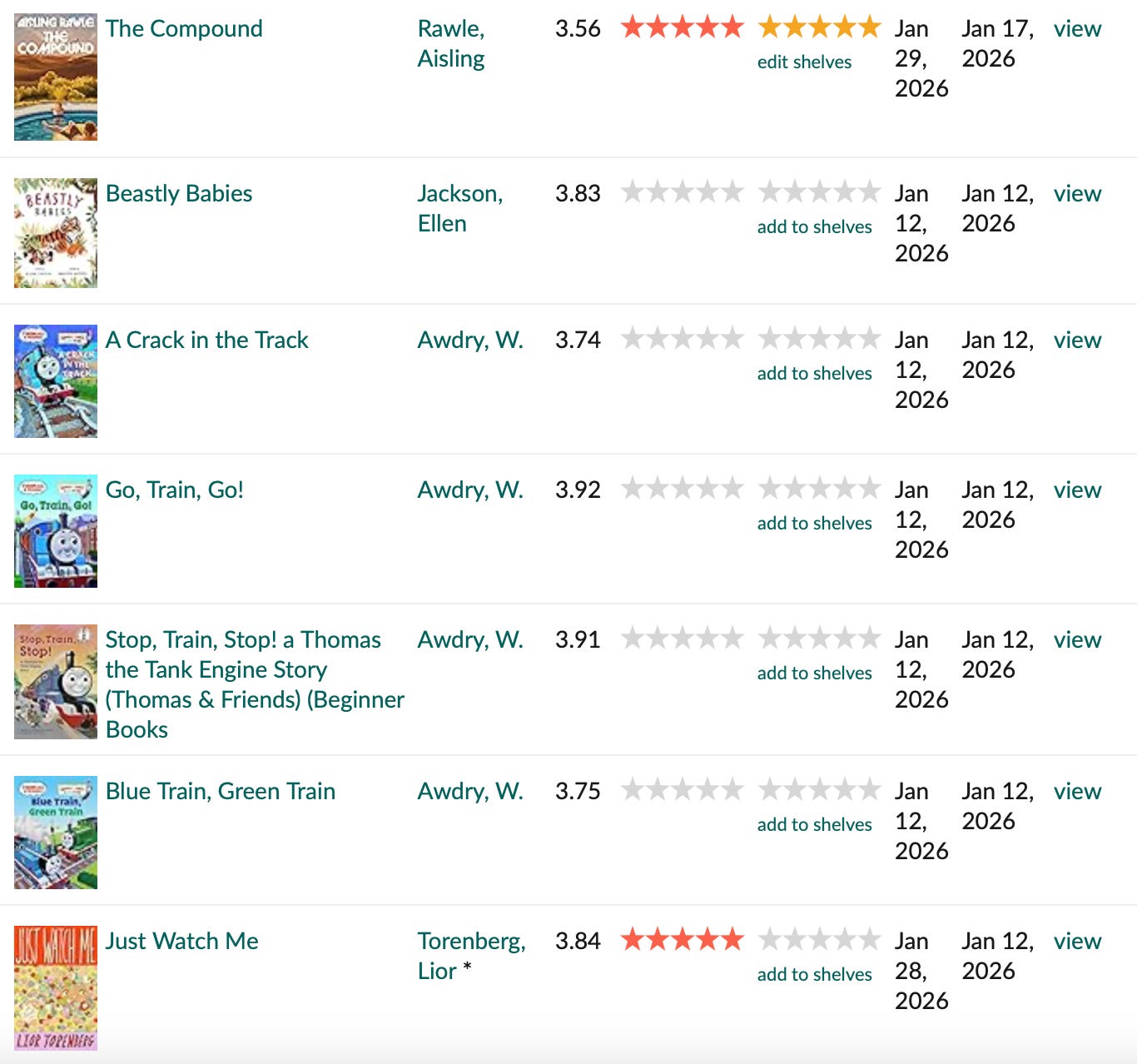
EK: Well, I’m gonna ask you a more fun question. I went into your Goodreads and saw that you’re rating and reviewing all the books you’re reading to your kid, and then I found your literary criticism / ACAB essay on Little Blue Truck Leads The Way. I’m curious what your experience of reading children’s books has been, as a critic?
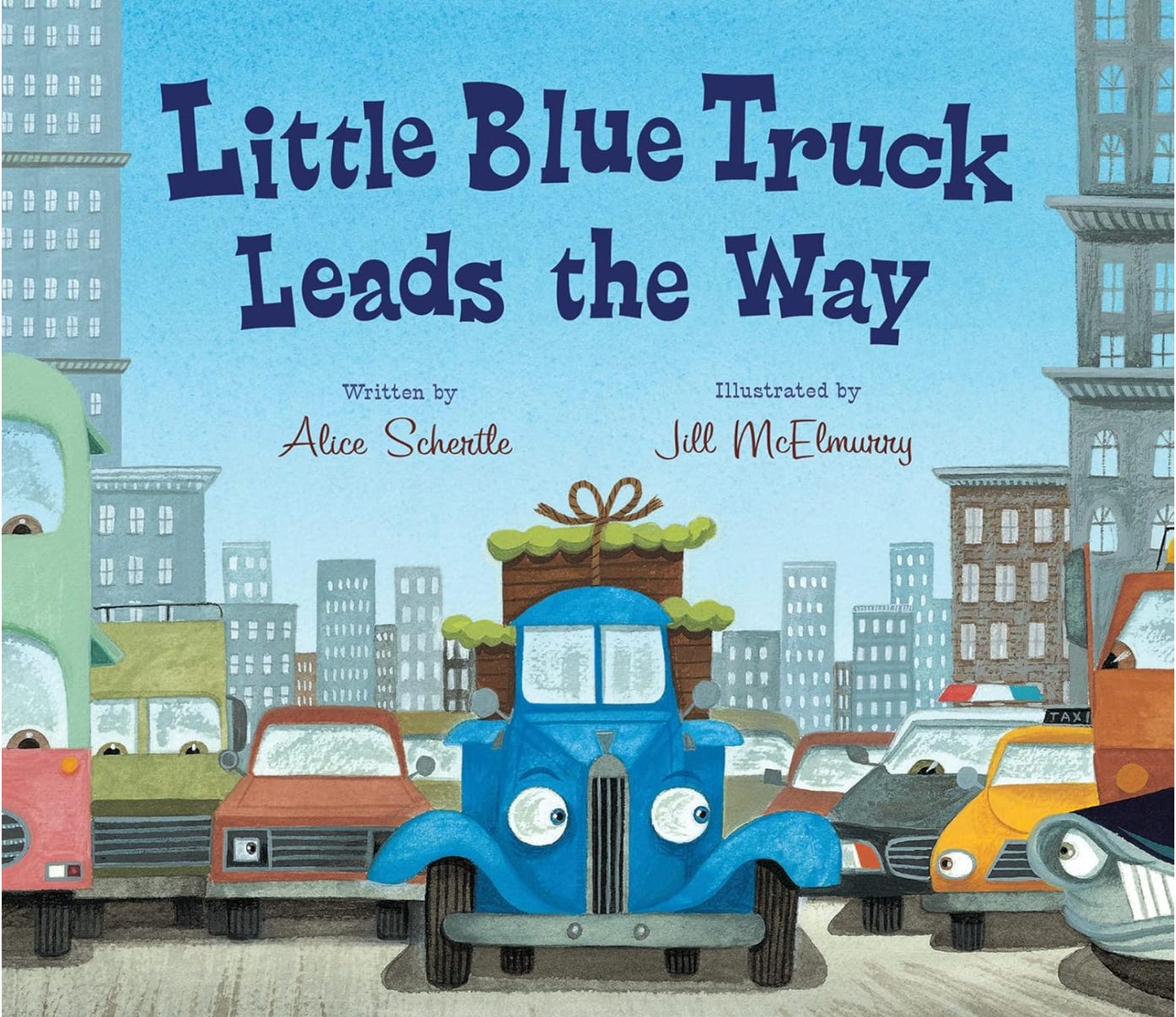
IM: I mean, first of all, I kinda want to move back to Substack. I switched to Buttondown, but it seems like Substack is the only place where you get discoverability. I kinda wanna have an ongoing series about the radical messages you can find in children’s books…
EK: I’m here for it.
IM: But it’s been really fun. The reason I’ve been logging all of them is because I’m obsessive and because I’m silly. I’m also logging all his reads on Beanstack, so that he can get the free book for every hundred books—
EK: Wait—what is Beanstack?
IM: It’s like a book and reading tracker for kids.
EK: That’s really cute.
IM: Yeah, and schools use it and stuff. It’s very versatile, apparently.
There’s this nationwide library incentive where the goal is to log a thousand books before kindergarten. And so I’m trying to make sure he actually gets there, even though I’m sure he will.
EK: Awwwww.
IM: But, anyways, I’ve been logging them partially for him and partially for me, because I want to reach my ridiculous one hundred books a year goal on Goodreads. I don’t have as much time to read for pleasure or for work, so I log his books, and it’s also a great time capsule.
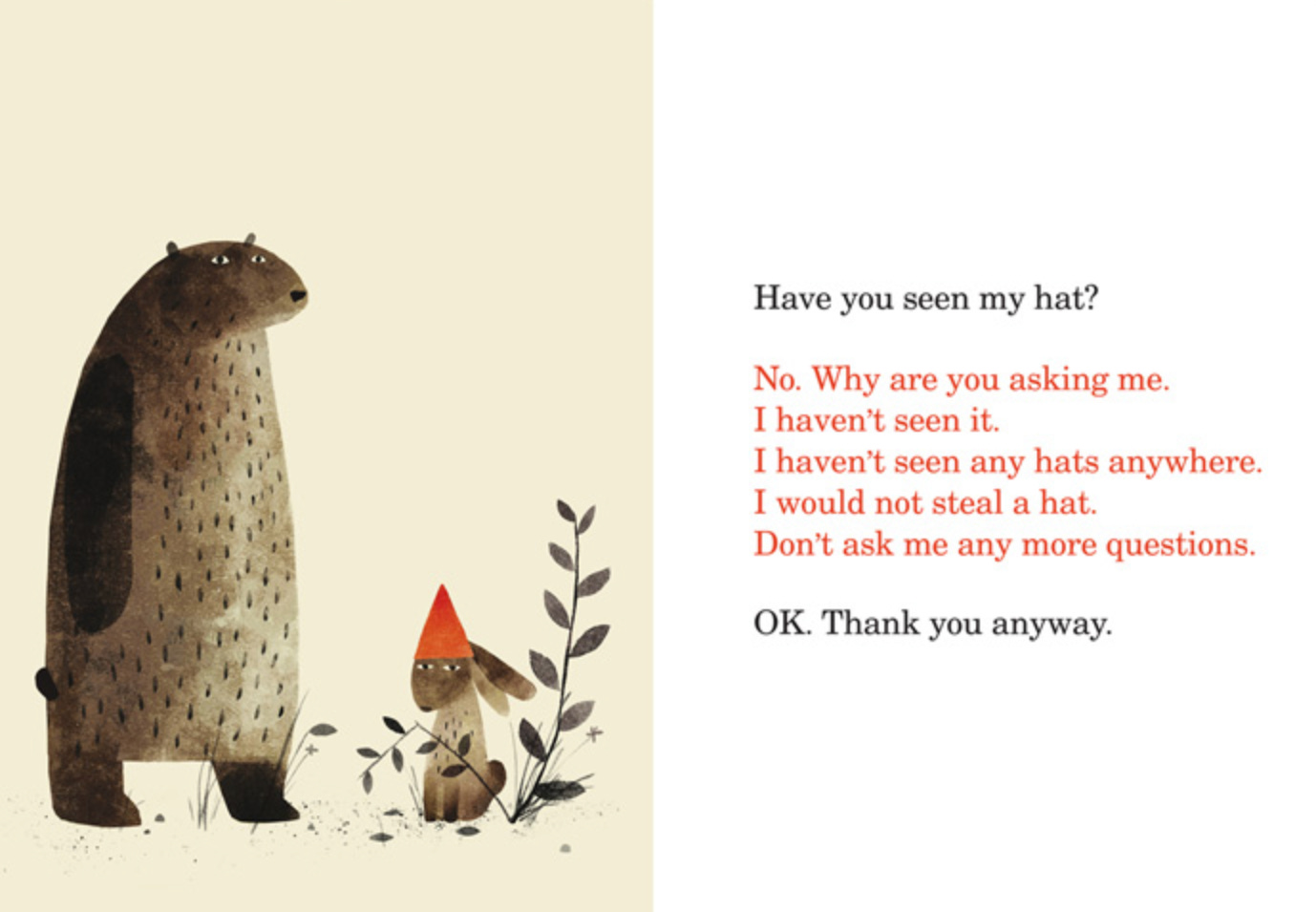
What’s interesting about kids’ books is how clear it is when they are not only writing for the kid but also for the adult who is reading the book aloud. There’s a really stark difference between those books and the books that ignore the reality of an adult reading this to a child.
Jon Klassen is a great example of a children’s book author who is very aware that parents have to read these books over and over and over again to their kids. I mean—to be fair—I also like to read against the grain with a lot of these books. That’s sorta always been my vibe. I don’t know if you know this, but my literary breakout was when I won the McSweeney’s Humor Writing Contest—
EK: FUN!
IM: There was a column contest and I wrote children’s literature obituaries. I killed off all your favorite children’s literature characters in sort of horrifying ways called Not So Timeless After All.
And like, all of my tattoos are children’s book-related. I have a deep affinity to the importance of children’s books because I have such a clear and keen memory of the ones that I read over and over and over again as a kid.
EK: Oh my god, this is so fun. Sorry, I’m looking up this column…
IM: I mean, it’s sort of horrifying, but…
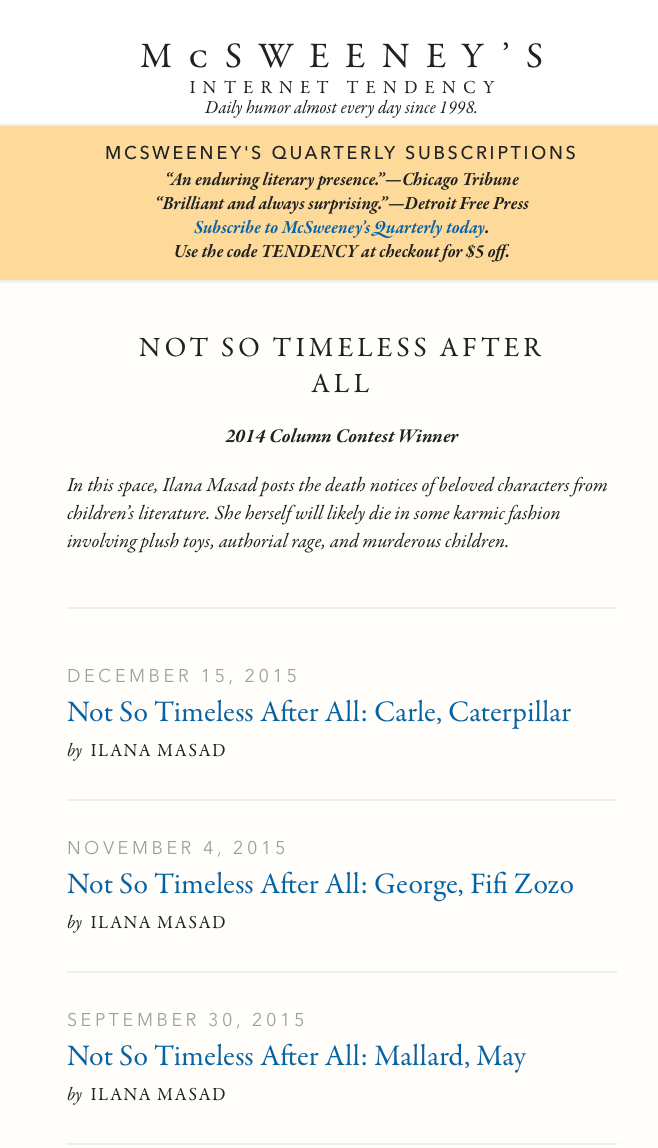
EK: I’m excited to read, especially as someone who spent all of high school trying to get published in McSweeney’s Internet Tendency and getting rejected legit every time. And so—in the eyes of 2013 Ezra—this is an even cooler accomplishment than it is now.
IM: Well, thank you. I mean, 2014 was when I won it...
The first one was Winnie the Pooh, but there are many others. I tried to make one of them be about police brutality, but they were like, no, this is too politically dicey. I mean, there are things about this column that I would do differently if I was doing it now, but I was twenty-four.
But I really love reading my kid books. It’s also just very funny which books he is drawn to and which he isn’t because sometimes he will love a book that I just hate. Like, the writing is so twee; the rhyme schemes aren’t working very well; the scansion is wrong—
EK: Spoken like a true critic.
IM: And it sort of drives me insane when he is like, I don’t care. I love the book.
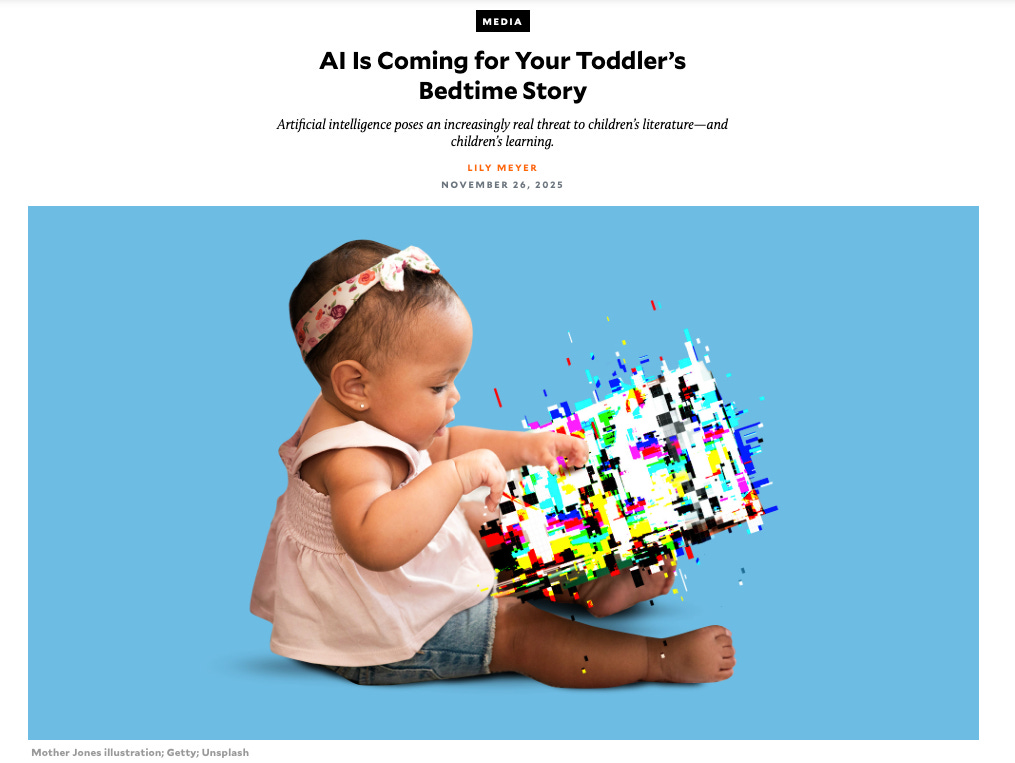
Also, do you know the writer and critic Lily Meyer? She just wrote a piece for Mother Jones about how AI is coming for children’s books. And so now I’m constantly looking at all of my books to make sure that it has an author name listed. Some board books don’t have an author, which used to mean that they were written by committee, but I think increasingly it will be that they were written by AI.
EK: That is so horrible.
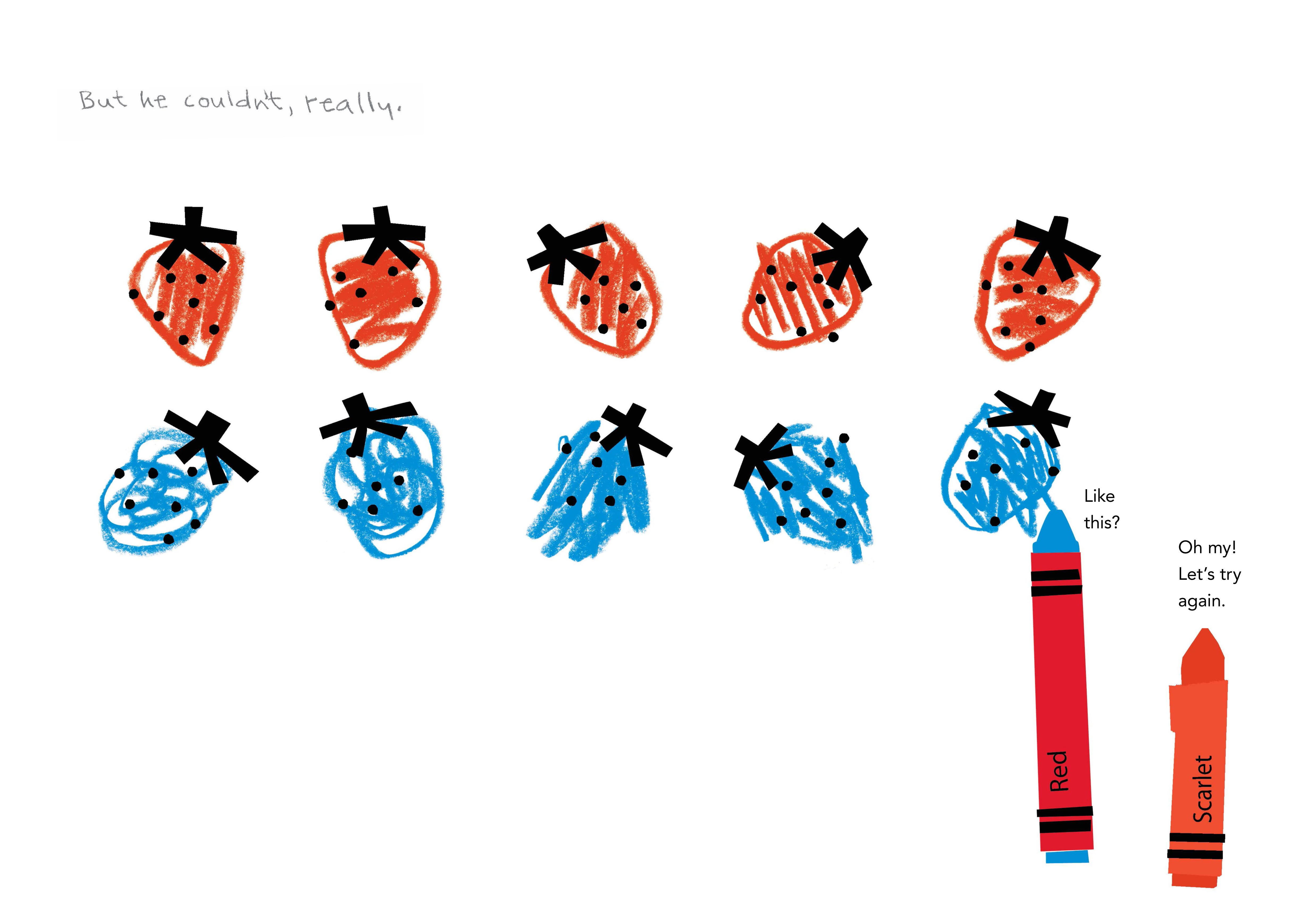
IM: But anyways, a lot of the children’s books I’m reading are really fun; I’ve discovered some really, really sweet ones. Like Red: A Crayon’s Story, which is literally about a blue crayon that got mislabeled as red crayon. And everyone thinks that he’s a red crayon, but he can’t draw in red. He feels like he’s doing it wrong, until he accepts the fact that he’s actually a blue crayon. I mean, it feels to me very much like a trans metaphor, but it could be any sort of neurodivergence metaphor. Because you have all these adult crayons saying like, you just have to apply yourself, or try harder, or maybe you need treatment, like all those things.
EK: Oh my god.
IM: I mean, that’s a book that is clearly also for the adults. Harold and the Purple Crayon is also for adults. I think the best children’s books are the ones that are not being moralistic or trying to teach a lesson, but are just trying to meet kids in their space of imagination.
And like some of them have gentle lessons that I don’t mind. And then there are the ones that kind of hide behind having a lesson, but are actually pretty funny and subversive. Like, Please, Mr. Panda—do you know that one?
EK: I’m unfortunately not familiar with Please, Mr. Panda <laughs>.
IM: So, Please, Mr. Panda is about a panda who’s a baker who goes around asking different animals if they would like a donut. He has a box of donuts. And then various animals will say, I want the pink one; I want the blue one; I want the yellow one. And every time he’s like, no, you cannot have a donut. I have changed my mind.
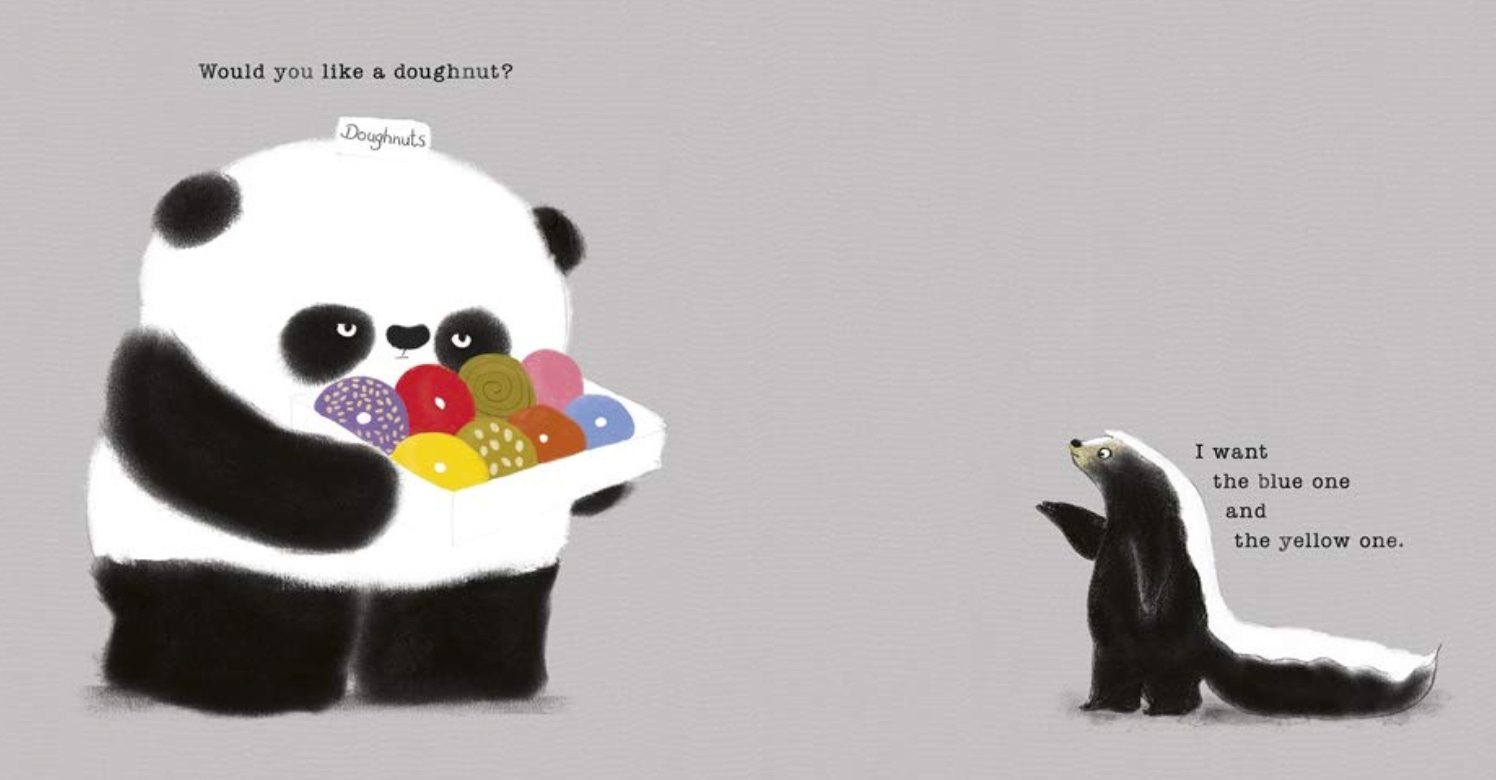
IM: He’s being a total dickhead. Like, he’s literally offering people donuts and then saying no. And then a lemur says like, may I have a donut please, Mr. Panda? And then the panda says you can have them all. I don’t like donuts, and walks away. And like, I know that the idea is that this teaches kids to say “please,” but it’s really about an asshole panda baker who hates his job.
EK: Before you said the thing about the lemur in the end, I was like, is this book about the fact that consent can be drawn away at any time?
IM: Maybe it’s also about that. So, there are all sorts of really good, interesting, funny, subversive children’s books. I mean, there’s also the most famous of recent years: Click, Clack, Moo: Cows That Type.
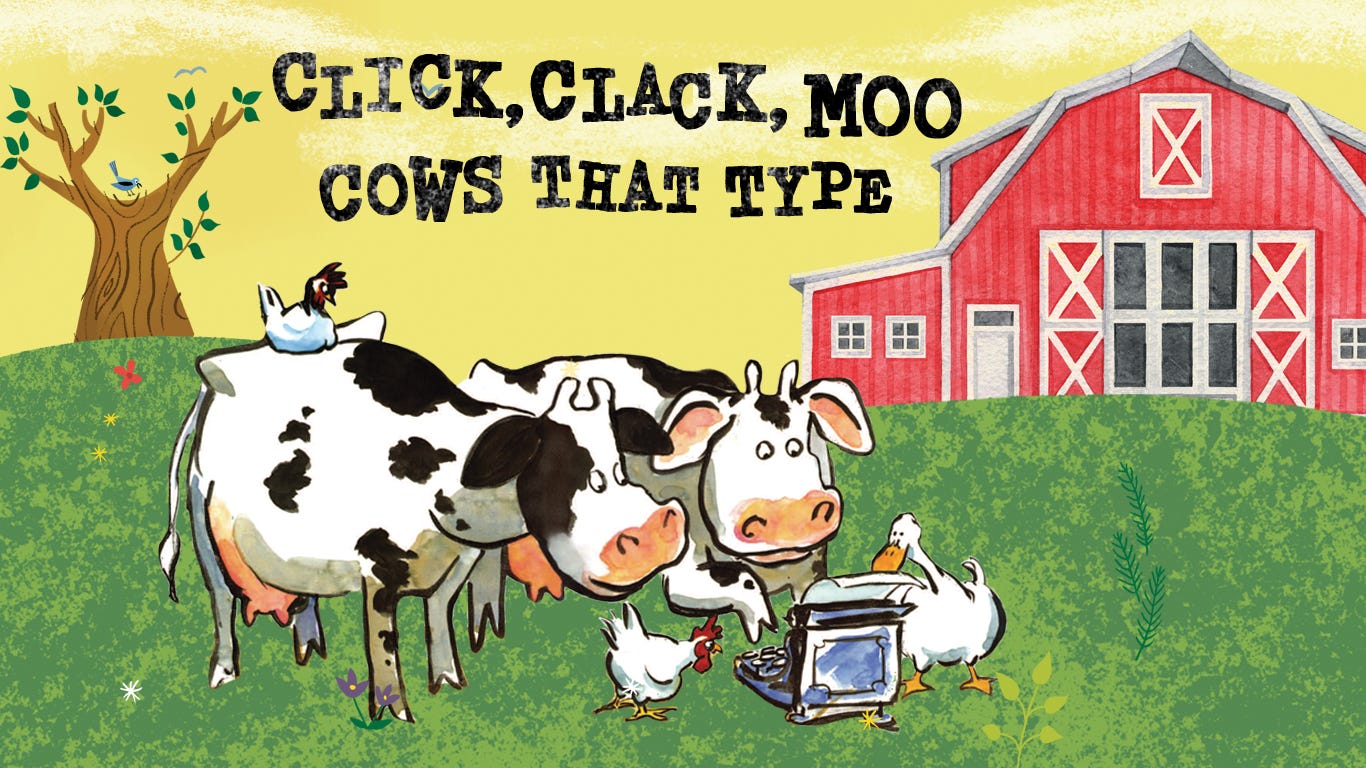
EK: Okay, I think about this book all the time.
IM: I’ve heard it referred to as the Das Kapital for Toddlers <laugh>, which I think is overinflating it a bit…
EK: That’s so crazy.
IM: People say it’s a communist book, and I mean that as a complement. It’s mostly just about unionizing.
EK: The thing that’s so crazy to me—and I’m obviously not the first or even thousandth person to say this—but, when fascism comes for children’s books, it’s because the dangerous thing about children’s books in general is that they help the next generation think critically and thoughtfully about the world. Books are being banned because they’re about trans people, but actually, all children’s books are subversive ‘cause they’re about how to be a person in the world.
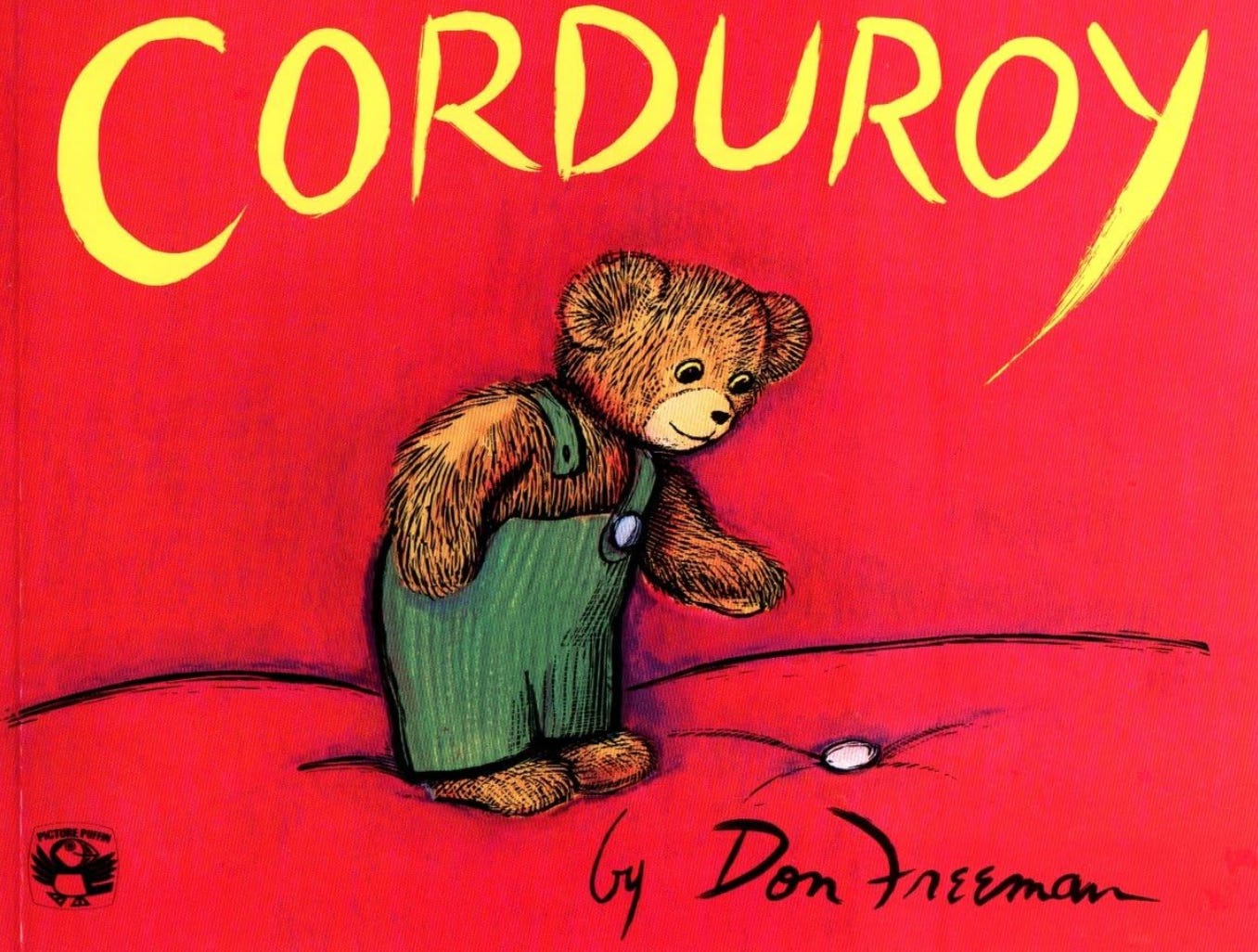
IM: Reading children’s books has been really illuminating for me. It’s made me think about children’s books a lot more deeply. I remember so many that I read as a child—I mean, most of the books that are on my sleeve are not from my childhood, except for Corduroy.
I still love Corduroy. I don’t think I was aware of it at the time, but, as an adult, I realized that it’s because it might have been the only children’s book I’d read in which the main character lives in an apartment.
Growing up somewhere where houses were only for rich people, having a character who had to run up four flights to her apartment was so incredible to me. I was like, I do that everyday, too! You know?
EK: Oh, that’s really cute.
IM: So, I’m enjoying that, and I wanna write more about how cops are represented in children’s literature. Except I refuse to read the Copaganda books—
EK: For sure, ACAB only.
Well, as a professional reader and writer and critic, how do you protect your love of reading? Have you actually gone through a dark night of the soul where you’re like, I won’t read anymore…?
IM: Never.
EK: Literally how!!!
IM: Partially it’s that—at least until I had a baby—I always read before going to sleep. That is just a thing I do. I mean, since the age of nine, when I started reading independently. It’s just a thing I’ve always done. I also read while I walk, which is a little bit insane. I did it in New York City, too. I love it.
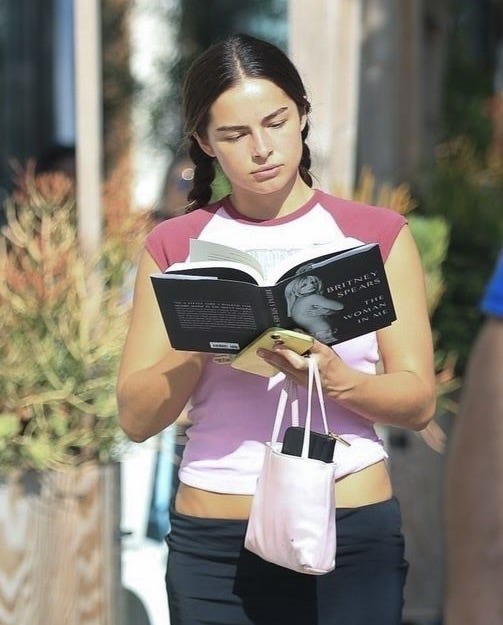
EK: I used to do that all the time when I lived in Chicago.
IM: I mean, it is harder in New York. But I’ll say that I’ve developed very good peripheral vision. And it’s really not that different than walking around with your head down, looking at your phone, honestly. So, I think a lot more people could do it.
EK: Wait, are you reading a physical book or are you reading—?
IM: Physical book.
EK: Wow. That’s impressive.
Are you ever reading for pleasure? It seems like you take pleasure in reading as a whole, but do you ever read a book that’s just for you? That you’re not trying to pitch in any sort of way? Or do you feel like it’s all sort of entangled?
IM: I mean, it’s entangled, but the thing is that I don’t read books before I pitch them. Almost never. And that’s true of most critics—the critics who are trying to write for a living. Because if you try to read every book you would like to cover, you will never cover any of them. I mean, the way I pitch to editors—’cause most of the editors I pitch to, I have some sort of relationship with by now—I will pitch them multiple ideas at once. Or, I will pitch them like: here are books coming out in the next three months that I would love to cover. And then it’s like, nine books, you know?
IM: So, even when I’m reading for pleasure, I often want to write about the thing. But I am so jaded by the fact that I make a living as a writer, that it’s very hard for me to write about books for pleasure.
That’s part of why my newsletter has never gotten more consistent. Because I don’t think anybody’s gonna pay me for it, and I don’t have the marketing skills to make my newsletter something that I can make a living off of. Especially since the market is so saturated already.
But, I mean, my critical brain is sort of “on” even when I’m reading for pleasure. But I have made it a rule for myself that I always have a book going for pleasure at any given time, even when I’m reading for work.
I’m currently reading three books for pleasure, but in different formats. One is my bed book; one is my taking-a-walk book; and one is my audiobook.
EK: And what are the books?
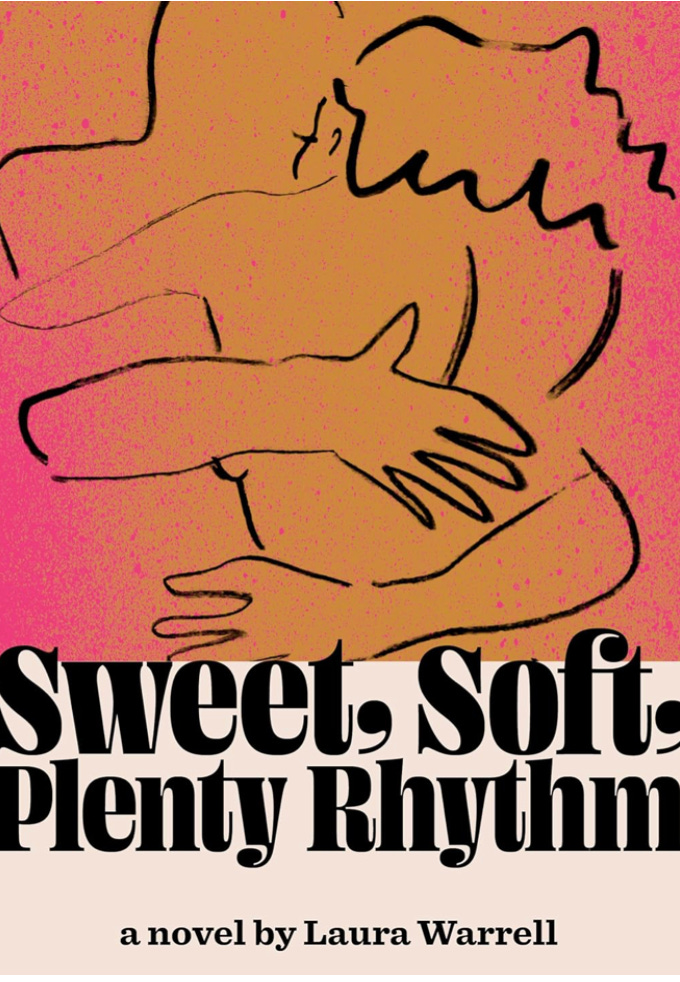
IM: My bed book is Sweet, Soft, Plenty Rhythm by Laura Warrell, which came out several years ago. She’s a pal, and she’s wonderful. She did my event with me at Sunny’s Bookshop in LA.
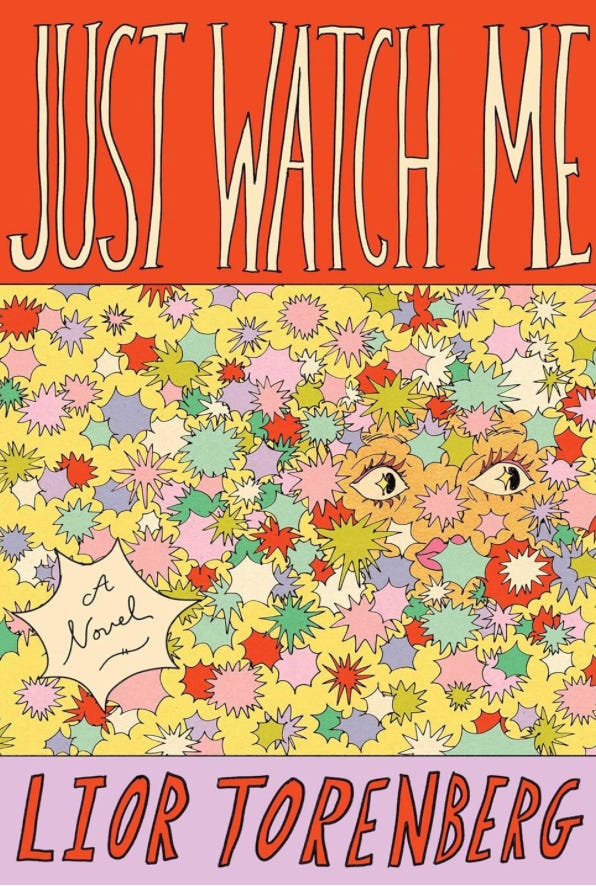
IM: And my taking-a-walk Book is Just Watch Me by Lior Torenberg.
EK: I’ve been seeing that everywhere.
IM: It’s new, and that one I didn’t pitch anywhere because I didn’t get to it early enough. But I picked it up ‘cause it looked interesting from my stack, and now I’m just kinda in it for the character trainwreck. I mean the book is good, but the protagonist is just—really not doing well.
And then my audiobook I just finished was Hotshot by River Selby.
EK: Fun. Yeah, I also normally have an audiobook going, and then I read books for work on my Kindle. And then I normally have a novel I’m reading slowly, and I’ve been trying to do nonfiction before bed, but the books I choose keep becoming too much about the world and then I can’t sleep.
IM: That’s why I do fiction before bed.
EK: I kinda need to read something before bed that winds me down, and oftentimes good fiction has the opposite effect on me. But I have been reading a novel before bed that is actually perfect.
IM: What is it?
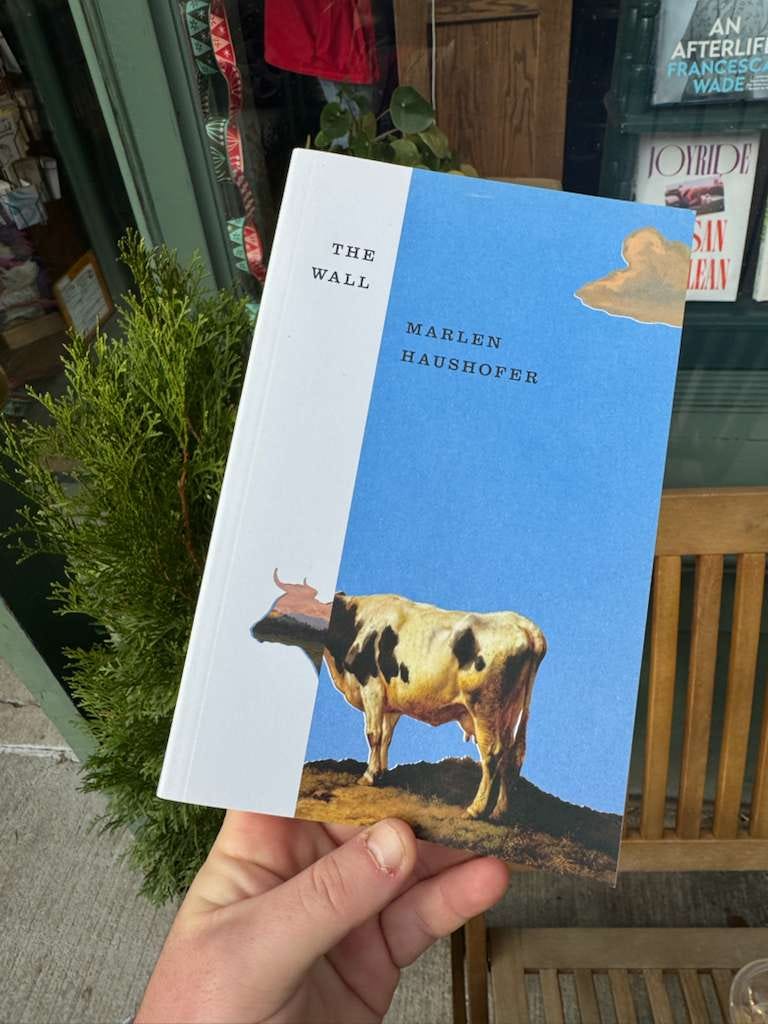
EK: And I think you would love it—have you read The Wall by Marlon Haushofer?
IM: No, I haven’t!
EK: It was re-released by New Directions in 2022, but it was originally published in the 60s, I wanna say.
IM: Oooh, it’s Austrian—and dystopian! Whoa.
EK: It’s really crazy. My friend Martha—who’s a big Substack person—is starting a reading-in-translation book club, and this is her first pick. So I was like, okay, I’ll read this with her.

IM: Who is she? What’s her Substack?
EK: Martha’s Monthly ; you would love her. She only does books in translation from non-Big Five publishers.
IM: Amazing.
EK: I’ve read so many books that she’s recommended that have been turned out to be the best books that I’ve ever read.
This book is good for before bed because there are no chapter breaks, so it feels a bit easier to read in small spurts. But it’s about this woman who’s staying in her friend’s hunting lodge and wakes up and basically this invisible wall has just come up and she’s the only person in the world. She can’t really leave this pasture.
IM: Wow.
EK: But it’s not really about that. That’s the premise, but it’s mostly about her just living and surviving.
IM: The description is nuts because it says that it’s about “a dystopian society that slowly becomes a utopian one.”
EK: Well, she really is just this middle-aged woman who has to figure out how to farm. Like she finds a cow and a cat, and there’s also a hunting dog that becomes her companion. It’s very picturesque and introspective and the descriptions are beautiful, but also it’s quite tense because the stakes couldn’t be higher. It’s very like, I’m going to this alm before the storm comes so I can plant these potatoes or else I won’t have food for the winter, or like, I need to make sure this cat stays inside so she doesn’t get eaten by a fox. But it’s also the fact that this is fully a woman who had a life and a family and she is coming to terms with the fact that she’s just going to live in this pasture with these animals until she dies. It’s really beautiful.
IM: It sounds beautiful. It sounds intense.
EK: The other book that I think you would love that I just read is On Earth As It Is Beneath. It’s really, really short, but this is another one that Martha had recommended, and then I literally just found a galley of it on the street. The writer is Brazilian. It came out in 2025, and it’s from Charco Press, which is a small press based in the UK.
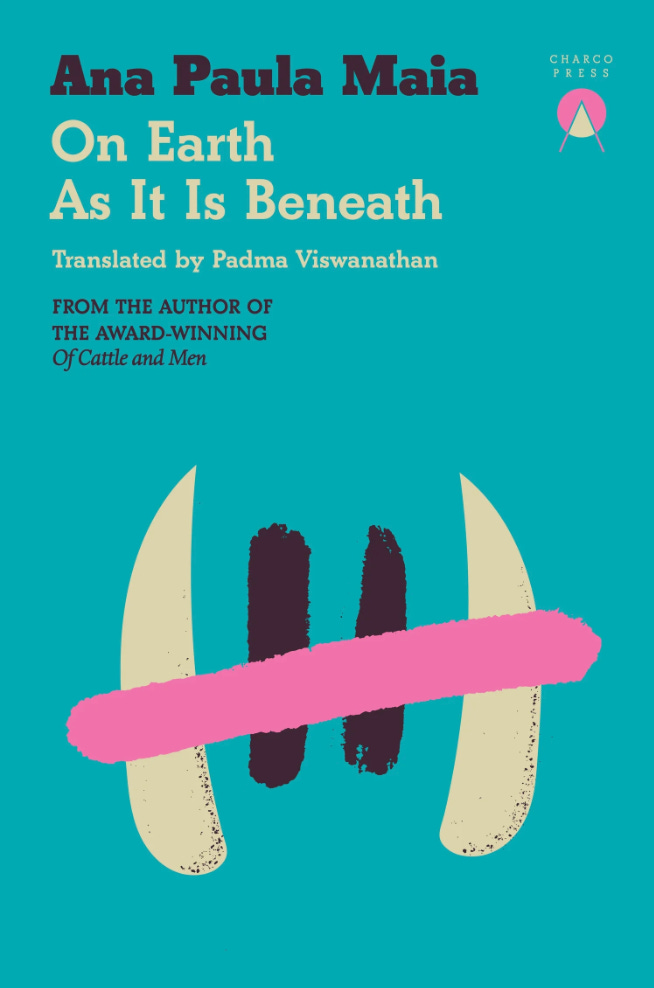
EK: It’s really short, but it’s so fucking good. It’s basically about this penal colony that was supposed to be an alternative to prisons, but the state just sort of forgot about it and it falls into disarray. The prison warden has gone crazy. Every night he chooses two prisoners and—basically all the prisoners have this thing strapped to their ankles where if they try to leave the walls of the colony it explodes. So the warden will take it off and give them a chance to run for their freedom but then he just hunts them down and kills them.
IM: Oh.
EK: I know it sounds so dark, but it actually is so good and so much more hopeful than you would think.
IM: I love dark books though…
EK: It’s dark, and it’s not like Waiting for Godot because there’s so much happening, but it’s like, basically they’re waiting for this person from the state who is apparently gonna come and close the prison. They’re waiting for this person to come before the warden snaps and kills everyone. But it’s like, prison break. But like is also just about—well, I don’t wanna give too much away, but it’s really short. Like, I read it in like a day, but it is so fucking good and is so much more about humanity. Because—at a certain point—all of the guards and prisoners have spent so much time together trapped in this horrible place where the lines between them have blurred and they are sort of all on the same level.
It is just so good, and I would be really curious to get your take on it.
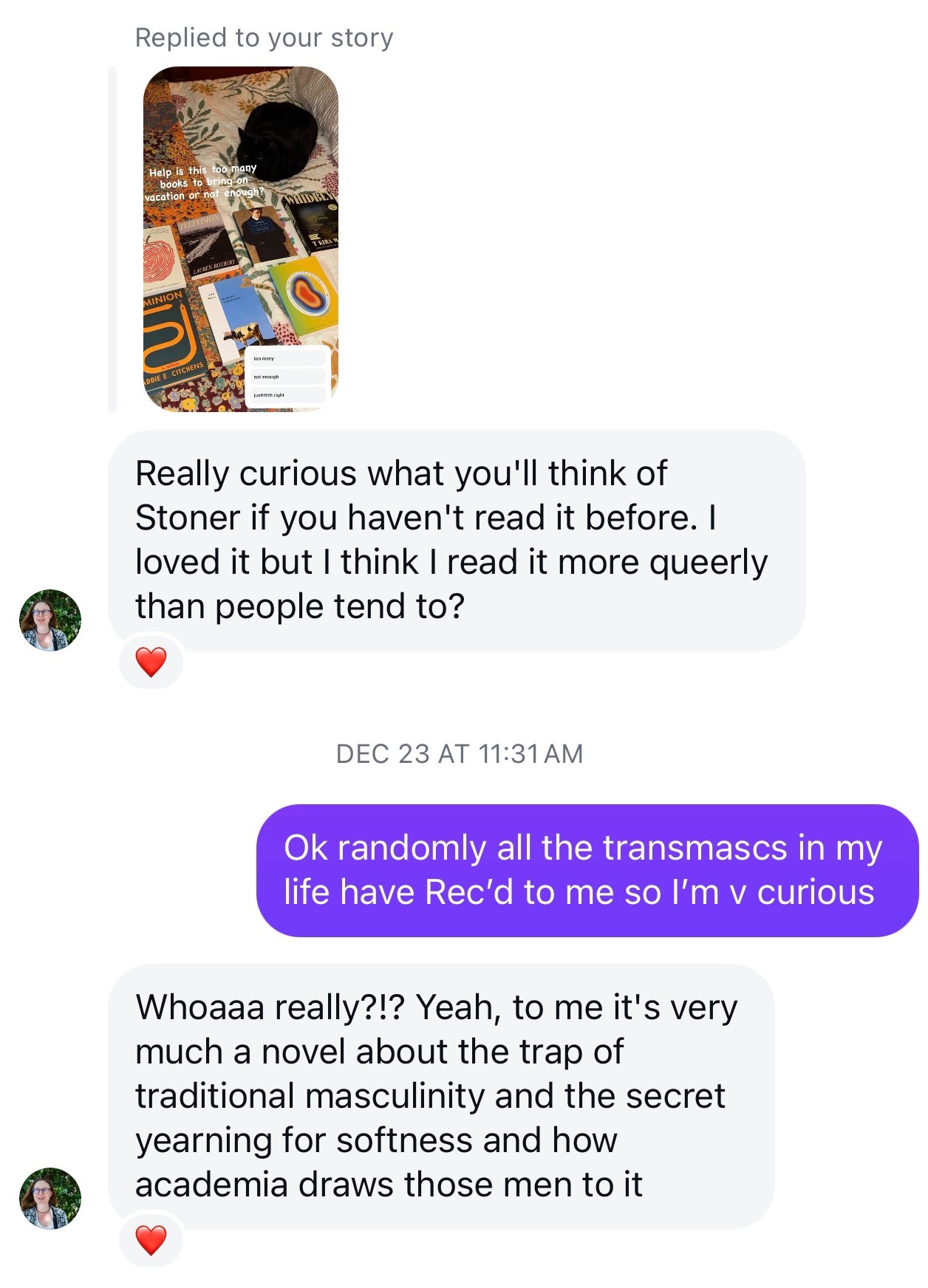
IM: What did you think about Stoner, by the way? Did you end up reading?
EK: Yes, I loved it.
IM: Okay, good. I’m so glad.
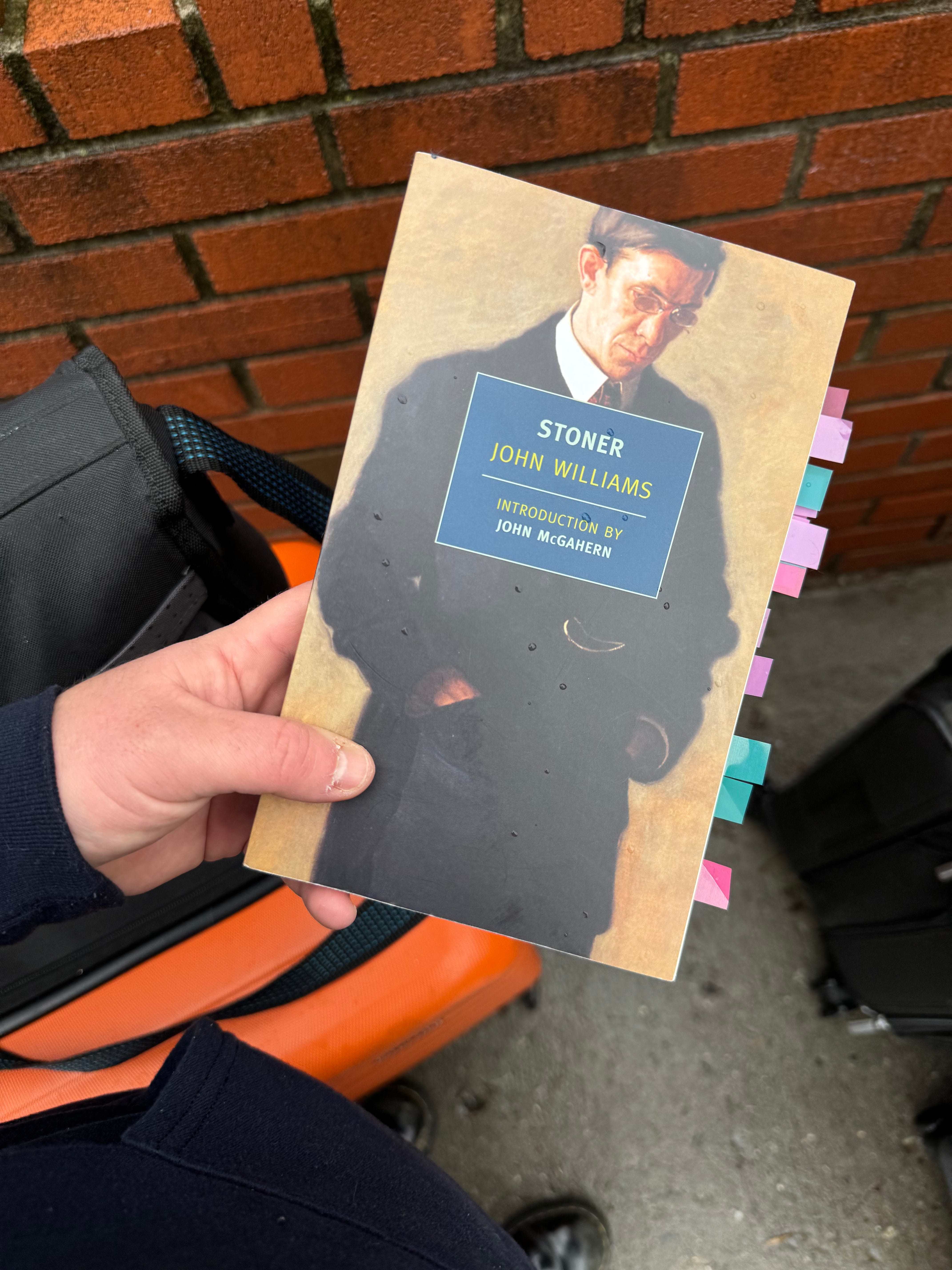
EK: I loved Stoner, and I felt so bad because I had borrowed it from a friend who runs a book club, and they had really tagged it for the discussion. And I borrowed their copy and read it on this really cramped flight to California. I was angry for so many reasons, mainly because I was in the middle seat and it was hot and my TV wasn’t working, and I just read Stoner the entire time, which made it better. But I think I left it on the plane, and I felt so horrible. And my friend was like, it’s literally fine. But I was like, I can’t be known as an untrustworthy borrower of books.
I loved Stoner, but I had a really hard time reading anything after that, ‘cause I just felt really moved.
Anyways, all being said, I do wanna hear about the books that you are excited to brag about…!
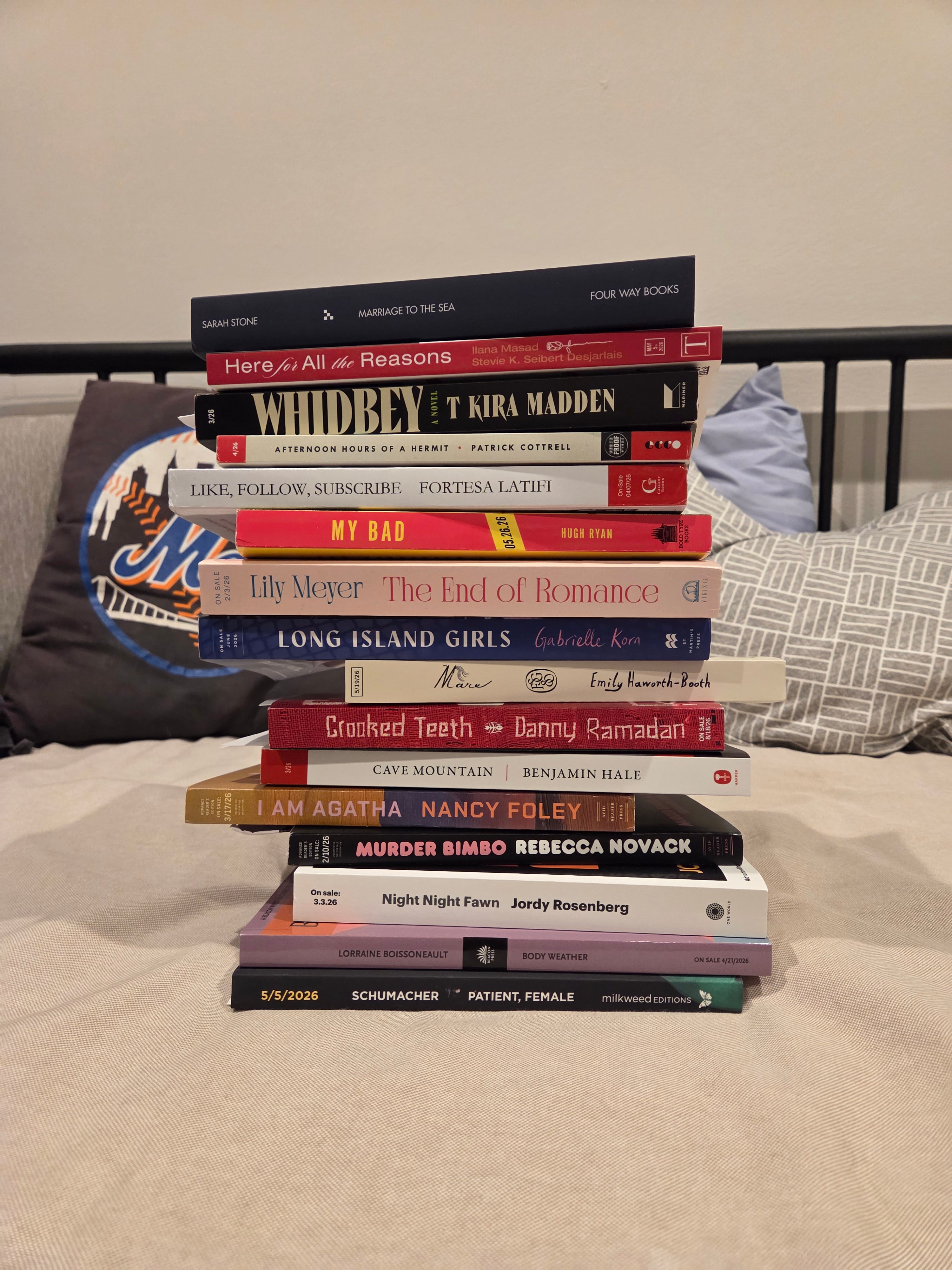
IM: I’ll admit that these galley brags are kind of the ones that are closest to me.
EK: You’re so fine.
IM: There are a bunch downstairs that I haven’t had a chance to really look at yet.
I might have more to brag about, but the first one is My Bad by Hugh Ryan.
EK: Oh my god, I haven’t heard of this!
IM: It’s Hugh Ryan’s new one. He wrote Women’s House of Detention and When Brooklyn Was Queer. He’s a scholar, but this one is more personal.
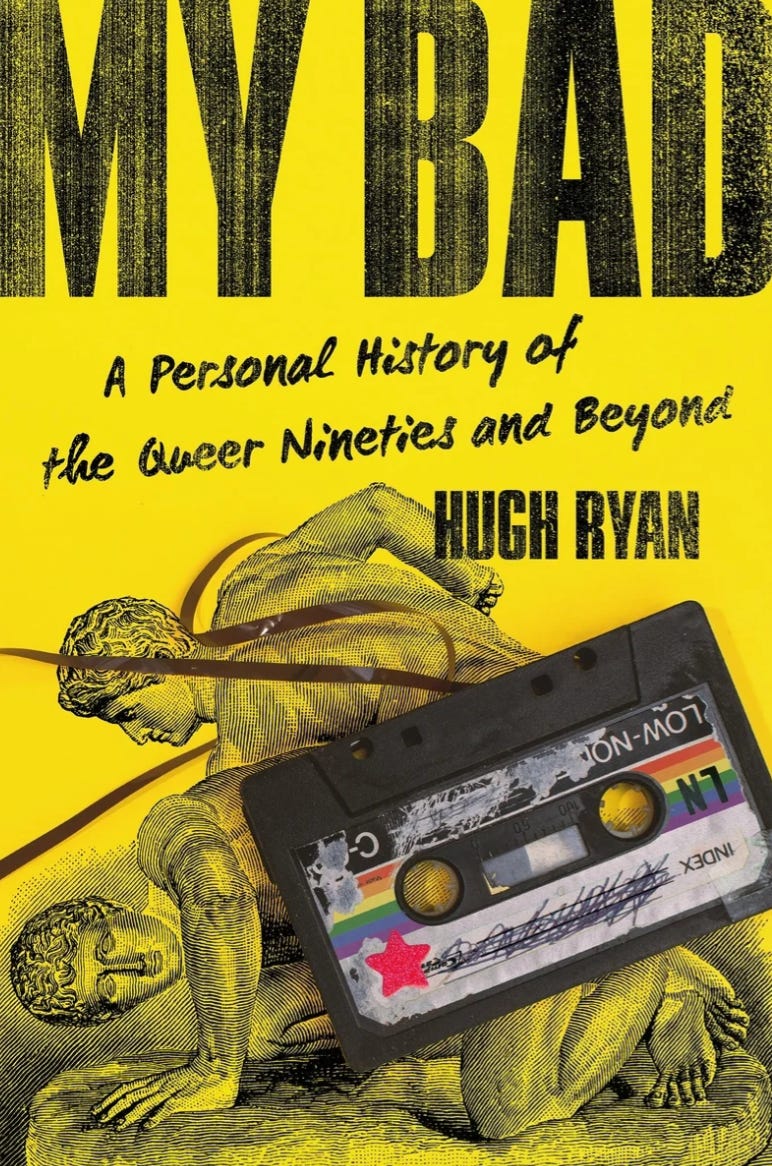
EK: Amazing cover.
IM: The next one is Like, Follow, Subscribe by Fortesa Latifi.
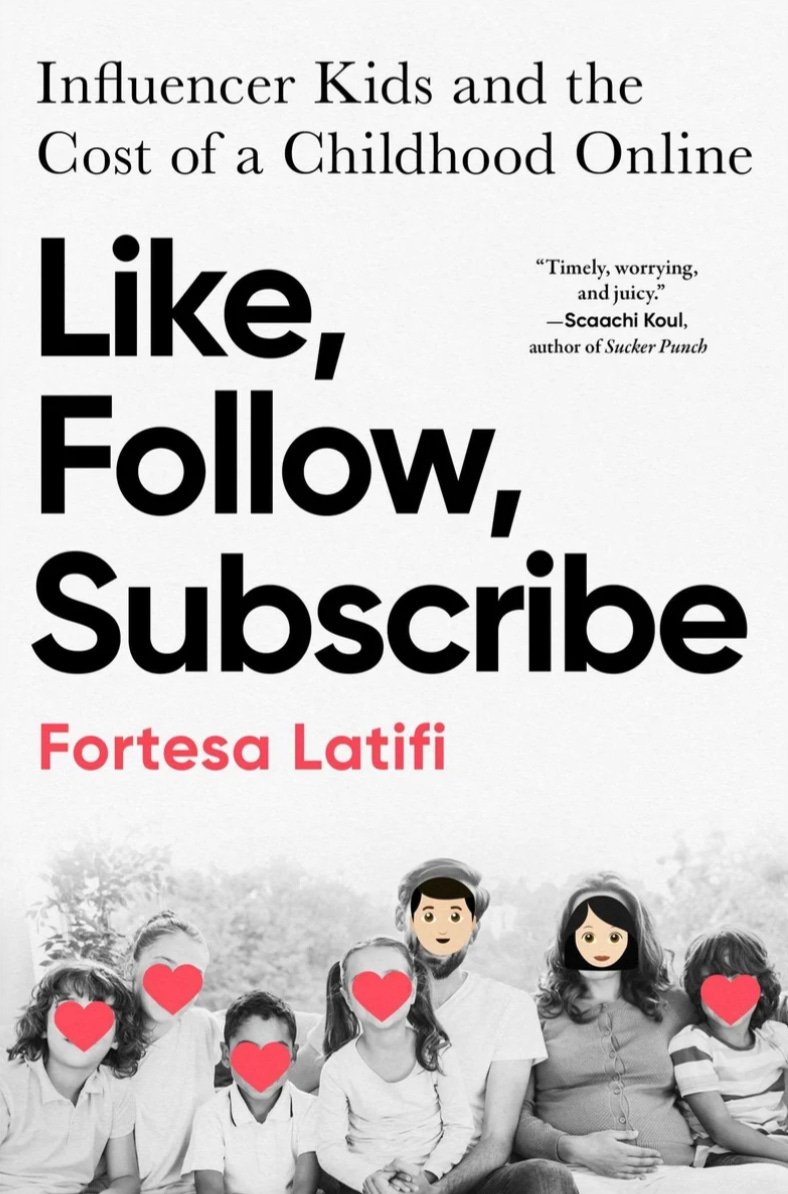
EK: Okay, I actually read this proposal, so I’m really excited to read the book.
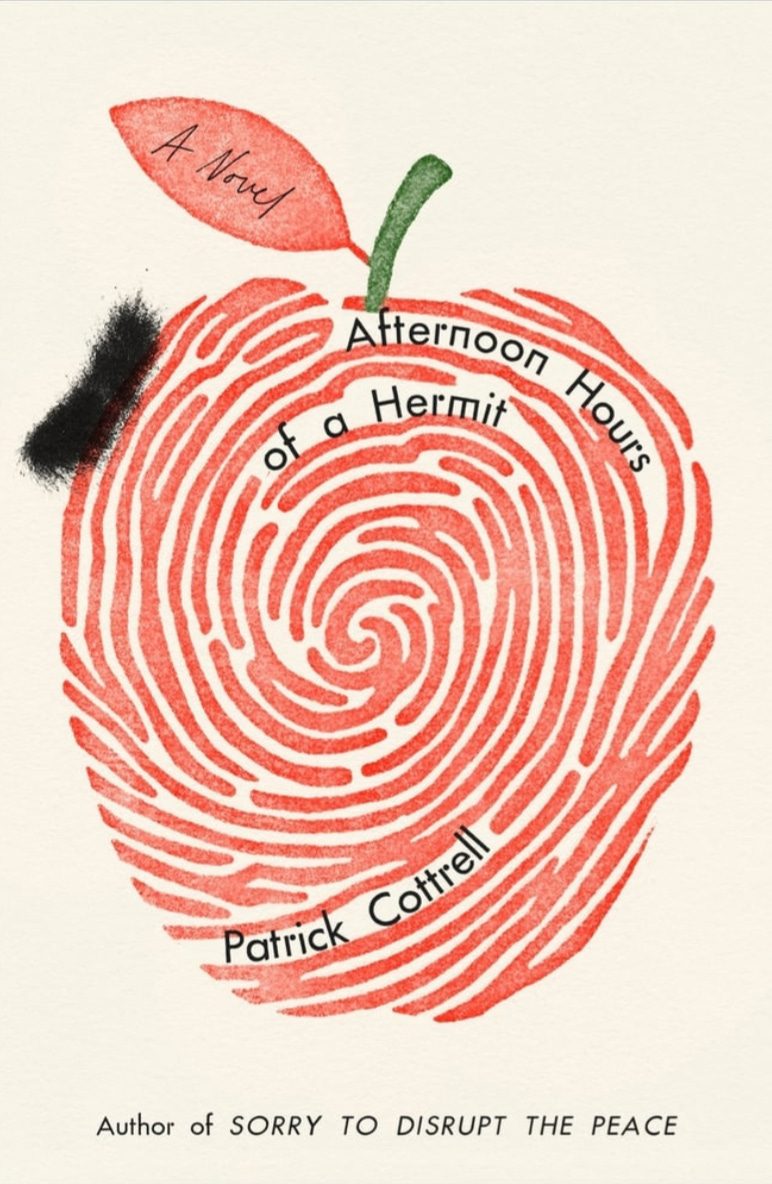
IM: Apparently my toddler scribbled on this one, but this is Afternoon Hours of a Hermit by Patrick Cottrell, which I’m very excited about. And I think you’ve had other people brag about this one.
IM: And then Whidbey, which I’ve been waiting for for forever. T Kira told me about it like three years ago at Tin House, and then we had a whole long conversation about the justice system and pedophilia and people who actually wanna get better and abolition and how we have to think about the people who commit even the most heinous crimes as human beings and how awful and difficult is that. But also, if you really believe in abolition, you have to care about the full human being and not only the worst thing that they did.
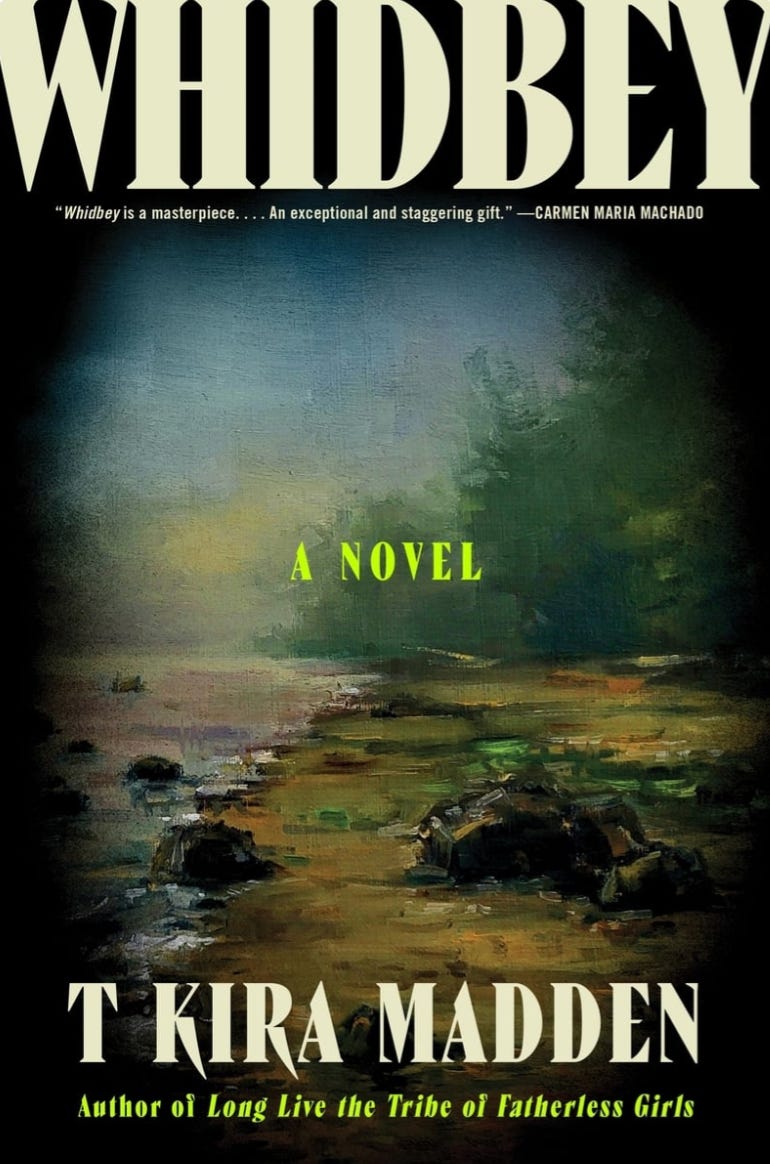
IM: But, anyway, I’m very excited to read it ‘cause I’ve been waiting for it for a very long time.
EK: Well, I have galleys of that and Afternoon Hours of a Hermit, so maybe I will put those at the top of my list. And the editor of Patrick’s book is Deborah Gim, who is so, so smart. So I know that it’s going to be genius.
IM: Did you read the first one? Did you like it?
EK: I didn’t read the first one—should I do that instead?
IM: I mean, read both. The second one’s premise is about someone who wrote a book called the same title as the first book, so there’s some meta-textual stuff happening, and maybe some autofiction and subversion of autofiction happening.
EK: Maybe I will read Sorry to Disrupt the Peace first, then. I actually think that my first introduction to this writer was the McSweeney’s Quarterly, which I begged my parents to get me for Hannukah when I was a kid. I feel like he was either in a collection of queer fiction or had been the editor of it.
IM: That seems right.
EK: Anyways, this was so fun!
IM: I feel like we could keep going forever.
EK: This is always the case and then we talk for two hours and then I edit the transcript down for like ten more hours, lol. But this was so great. It was so great to talk.
IM: It was so great to talk. And it’s so important to be able to rant with likeminded individuals about the things in your industry that are driving you nuts.
EK: Yes…and I feel like, weirdly hopeful? It’s nice to do this because sometimes, if I’m just ranting with my editor friends, it starts feeling so bleak. And it’s still bleak, but it’s nice to talk to people who are coming at it from a slightly different perspective. Anyways, I’m sure I’ll talk to you soon!
IM: Bye!
I loved this convo and loved hearing from Ilana. Just pulled Beings off the shelf to prioritize.
Such a fascinating conversation as always - reading these interviews just gives me so MUCH to chew on and mull over. Love to be introduced to Ilana too!